Instagram Adds Content Protection to Catch Reposts and AI-Modified Videos
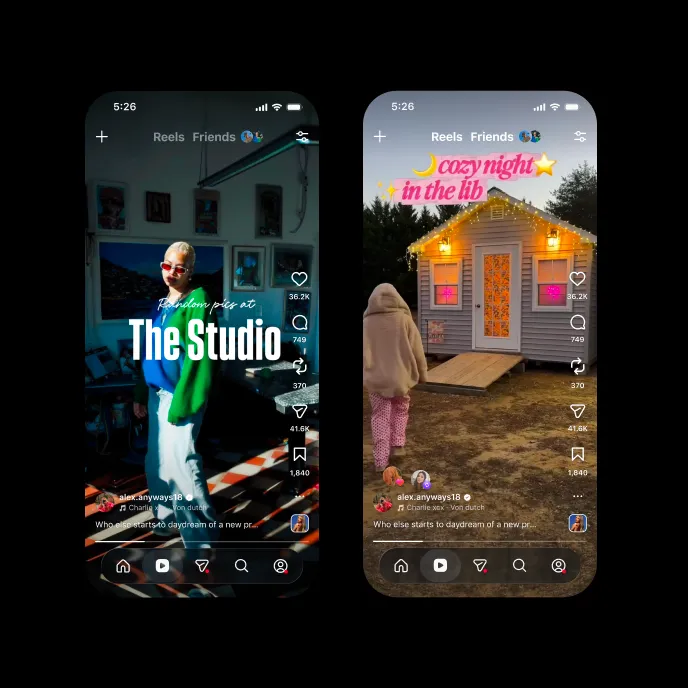
Instagram has introduced a creator tool called content protection, designed to protect original videos from unauthorized reposts and AI-modified copies, according to TechCrunch. The feature was already available on Facebook before its Instagram launch.
Once a creator enrolls, the tool continuously scans Instagram for unauthorized uses of protected videos. When another user uploads a matching Reel, the original creator receives an alert. The creator then has several options. They can block the matched video from being viewed on Instagram and Facebook. They can add an “original by” label that links viewers back to the source video. They can keep the matched video visible while monitoring its performance, or release their claim on it.
Enrollment covers future output as well as the back catalogue. Every original video posted after enrolling is protected automatically, and creators can retroactively protect eligible videos already posted by selecting them manually. An allow list lets a creator name profiles whose videos will not be flagged as matches.
The AI component is the most technically distinctive part. Instagram says the tool will detect AI-generated videos that reuse audio from a creator’s original content, even where the visuals have been altered. Matching on the audio track rather than the frames means a re-rendered or restyled clip can still be caught if the soundtrack survives. That detection is set to be tested first with a small group of creators in the coming weeks, so it is a plan rather than a broadly available capability. Separately, Instagram says it is exploring ways to limit the reach of accounts and content that repeatedly use AI tools to repost others’ work. No details of how that reach limiting would work have been announced.
The broader context here is the familiar tension between frame-level and audio-level fingerprinting. A fingerprint is a compact signature derived from a file, so copies can be matched without comparing every pixel or sample. Visual matching has long been vulnerable to cropping, mirroring, speed changes and filters, and generative editing widens that gap further. An audio-anchored signal is a reasonable counter, though it has obvious limits. A creator who replaces the soundtrack, or a repost that uses licensed audio from a different source, falls outside what the description covers. Whether the small-group test shows acceptable precision on false matches will matter more than the headline feature list, particularly for creators whose work is remixed as a matter of course.
In my view, the allow list and the “original by” label point to a design that treats most reuse as a matter of attribution and control rather than outright removal. That is a sensible default for a platform where a lot of derivative content is legitimate. The reach-limiting plan, by contrast, is the part that will shape incentives for repeat reposters, and it is also the part with the least detail so far.
For working creators, the practical change is that protection becomes a publishing setting rather than a manual takedown exercise. Each alert lets a rights holder choose between blocking, attribution, or monitoring, which turns what used to be an ad hoc dispute into a routine workflow inside the app. For creators who have had to chase copies of their work across accounts, it also produces a record of which matches they chose to allow.