World Bank Says Lebanon Is Slow to Use Aid for Rebuilding

World Bank managing director of operations Anna Bjerde said during a visit to southern Lebanon on November 17, 2026 that Lebanon has been slow to use international aid to rebuild areas damaged in the 2024 war and in fighting that has resumed since March 2026, according to Al Jazeera.
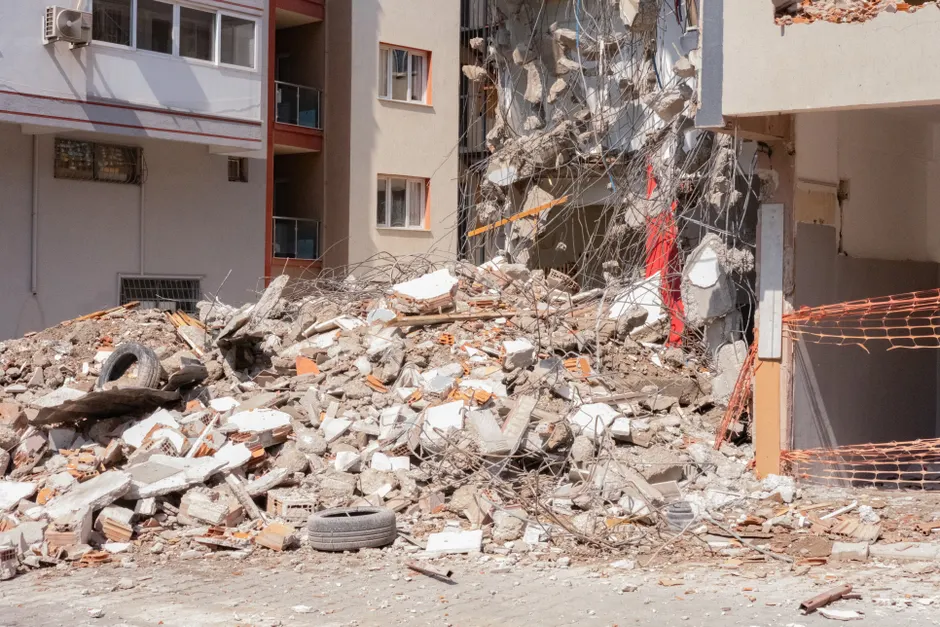
The World Bank approved $250 million in June 2025 to help Lebanon clear rubble and repair damaged critical public infrastructure after the 2024 war between Israel and Hezbollah. A September progress report showed that only $4.2 million of the loan behind that money had been paid out, against a projected $100 million by July 2026. The World Bank has estimated that rebuilding after the 2024 war will cost about $11 billion.
Lebanese Prime Minister Nawaf Salam's office said that parliament's formal approval of the World Bank loan, known as ratification, had faced considerable delays. The office also said that a worsening security situation, linked to Israel's continuing occupation of southern Lebanon, had delayed the timely launch of World Bank project activities. Beirut has blamed Israel's occupation and attacks in the south for the slow pace of reconstruction.
Israeli Defence Minister Israel Katz said on November 18, 2026 that Israel will not withdraw from the current lines of its security zones in southern Lebanon, nor redeploy its forces. The same day, Lebanon's National News Agency reported that Israel had fired artillery shells toward the towns of Baraachit and Beit Yahoun in the Bint Jbeil district.
The human toll remains large. The United Nations estimates that at least 304,500 Lebanese are still internally displaced, meaning they have been forced from their homes but remain inside the country. That figure is down from 1.2 million. Up to 4,500 people have been killed in Israeli attacks in Lebanon.
Hezbollah has announced that it will pay up to $14,000 to families whose homes were destroyed or made uninhabitable by Israel.
The economic picture is also weak. The World Bank projects that Lebanon's economy will contract by 6.4% in 2026, reversing the fragile recovery recorded in 2025 as renewed conflict set it back. Since the start of the crisis in 2019, the Lebanese pound has lost 98% of its value, and more than a third of the population has been pushed into poverty. The World Bank has also announced $350 million for two new projects aimed at meeting the basic needs of the poor and improving public services through digital transformation.