India Bans Student-Led March to Parliament as Exam Reform Movement Grows

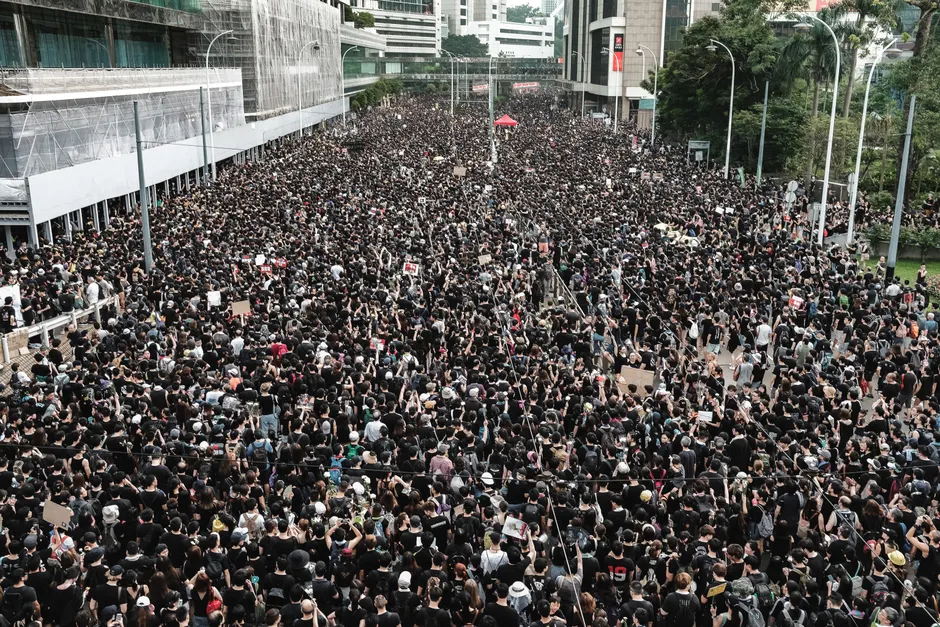
Delhi Police on July 19, 2026 banned the Cockroach Janta Party's (CJP) planned "Sansad Cholo" (March to Parliament) demonstration, declaring the July 20 event unauthorised. France 24. The ban came as hundreds of students and supporters gathered at Jantar Mantar, New Delhi's long-standing designated protest site, and as security was stepped up across the capital. PTI
The CJP, founded by Abhijeet Dipke, organised the march to protest against exam paper leaks and demand education reforms. Al Jazeera. Paper leaks — where exam questions are shared before the test — have plagued India's competitive examination system, calling into question the fairness of high-stakes tests that determine university admissions and government jobs. The movement has also incorporated climate-related issues into its list of demands. The Hindu. Dipke addressed the crowd at Jantar Mantar, where the CJP issued a statement at 2:30 AM on July 19 saying its demands had not changed. CJP Official Account. Dipke described the march as "the biggest march in India's history." ANI. He also demanded the resignation of Prime Minister Narendra Modi. Al Jazeera. The Associated Press reported that Dipke spoke with AP reporters at the protest ground in Delhi. AP
The protest drew a high-profile figure: activist Sonam Wangchuk, who was linked to the CJP's march. BBC World. Delhi Police had already forcibly removed Wangchuk from the Jantar Mantar protest site on the morning of Saturday, July 18, 2026. The Wire. He was on the 21st day of an indefinite hunger strike — a form of protest where a person refuses to eat indefinitely — at the time of his removal. Police presence around Jantar Mantar had been increased in the lead-up to the action. New York Times. According to eyewitness accounts, the removal took approximately five minutes. Times of India. Wangchuk was subsequently admitted to hospital. The Independent
The CJP's five exam reform demands, announced in June 2026, include compensation for victims of exam leaks and a shift to paper-based evaluation rather than digital testing. Hindustan Times. The movement has staged escalating actions over recent weeks. CJP protesters held a massive demonstration outside the National Testing Agency (NTA) headquarters over the NEET paper leak. NEET is India's national medical entrance exam, and its leaked question paper in 2024 became a flashpoint for nationwide outrage. The CJP also organised a protest in Lucknow on June 12 against exam leaks. Indian Express. An Associated Press photo dated July 10, 2026, depicted paper-leak protests by the CJP in New Delhi. AP. The AP also syndicated a report on the movement's attempted Parliament march through its wire service. WSLS/AP
The government's response to the CJP has been forceful. Union Education Minister Dharmendra Pradhan called the Cockroach Janta Party "Terrorists' B-Team." NDTV. Authorities have also taken action against individual participants. A guest teacher from Rohtak was suspended after joining the CJP protest in Delhi, with the District Elementary Education Officer citing violation of conduct rules. The Hindu. In another case, teacher Sulekha Dalal, who was sacked for participating in the CJP's Delhi protest, later had her job reinstated. Hindustan Times
The broader context here is one of mounting friction between a decentralised, student-led protest movement and a state apparatus that has shown little appetite for accommodating it. The CJP emerged around a specific grievance — exam paper leaks that call into question the integrity of India's competitive examination infrastructure — but has expanded its remit to include climate demands and a call for the Prime Minister's resignation. That trajectory from single-issue advocacy to broader political confrontation mirrors patterns seen in earlier Indian protest cycles, where initial policy-focused demands became vehicles for wider anti-government mobilisation.
The forced removal of Sonam Wangchuk on day 21 of his hunger strike raises questions about the state's tolerance threshold for high-visibility dissent at a site historically designated for protest in the capital. Jantar Mantar has long functioned as Delhi's protest zone; clearing it of a hunger-striking activist with national name recognition signals a deliberate escalation in enforcement posture. The concurrent banning of the Parliament march, rather than permitting it under restrictive conditions, further narrows the available avenues for the movement to press its demands through visible public demonstration.
Pradhan's labelling of the CJP as "Terrorists' B-Team" is notable for the rhetorical register it adopts. Dismissing a student-led education reform movement through a national-security framing, rather than engaging on the substance of paper-leak allegations, positions the government's response on administrative and policing terrain rather than on policy reform. Whether that approach contains the movement or fuels its further expansion is the central question as the CJP's supporters regroup at Jantar Mantar.