India's Cockroach Movement: Youth Protests, Police Crackdown, and a Government Under Pressure
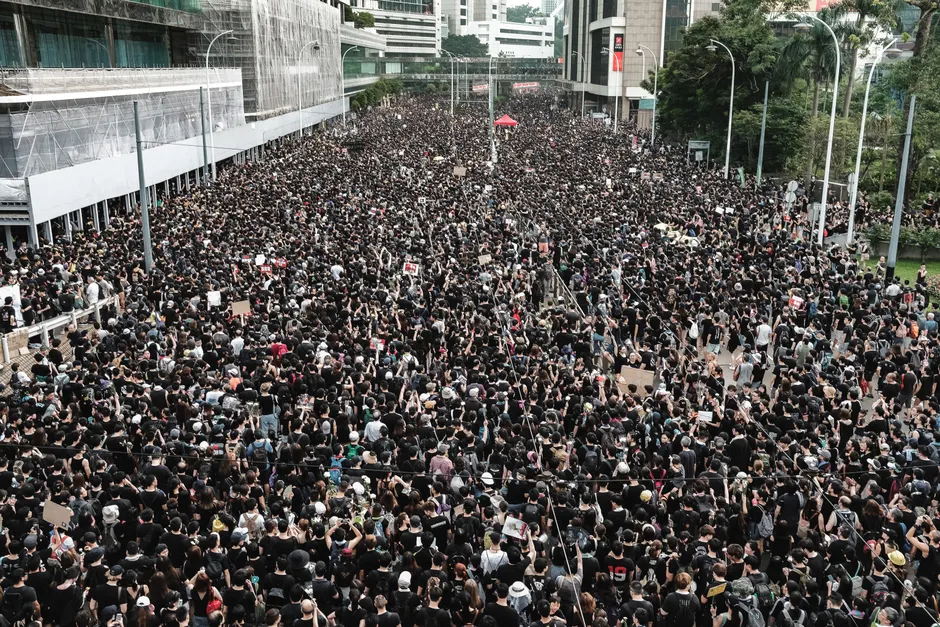
Thousands of protesters remained in central Delhi on July 21, 2026, as the Cockroach movement entered its second day of defiance after a violent police crackdown the previous afternoon left around 60 people injured and at least one protester on a ventilator in hospital intensive care (The Guardian).
The movement's leaders announced on July 21 that they would halt marches but continue protesting through other means, a tactical shift after Delhi police used batons and teargas against demonstrators on July 20 (Al Jazeera). Hundreds of protesters remained camped at Jantar Mantar, a designated protest site in the capital, under heavy police presence. They vowed to stay until Education Minister Dharmendra Pradhan responded to their demands (AP News).
What the Movement Is About
The protests are mobilized by the Cockroach Janata Party (CJP), a Gen Z-led youth movement founded by Abhijeet Dipke (The Guardian). The movement was inspired by remarks from India's chief justice and has coalesced around anger at systemic exam paper leaks — a recurring problem in India where the questions for high-stakes public exams are leaked to some test-takers in advance, giving them an unfair advantage. Protesters cite these leaks as evidence of deep-seated corruption in India's education system (DW). They are demanding the resignation of Education Minister Pradhan and an overhaul of what they call a corrupt and broken education system (The Guardian).
On July 20, more than 50,000 people gathered in New Delhi, many in their late teens and early twenties. Delhi police had imposed a ban on the gathering ahead of the demonstration, but supporters marched regardless (Reuters). In the afternoon, police kettled protesters into a restricted area — a crowd-control tactic where police surround and contain demonstrators in a confined space — shut down the internet, and erected barricades across the capital (The Guardian).
Organizers and witnesses claimed that police carried out unprovoked attacks, including against women and children. A 25-year-old protester named Taru described being attacked by Delhi police and said protesters were more agitated than ever (The Guardian).
Why the Police Response Matters Politically
The police response carries political weight that extends beyond crowd control. Delhi police operate under the authority of India's central government, not the Delhi state government. In India's federal structure, most policing falls to state governments, but Delhi is an exception — the central government, led by Prime Minister Narendra Modi, directly controls the capital's police force. That means the deployment of batons, teargas, internet shutdowns, and barricades was authorized under the Modi government's authority. The concurrent protest by the main opposition Congress party, which held its own demonstration in Delhi on July 21 calling for Prime Minister Modi to resign, adds an electoral dimension to what the CJP has framed as an anti-corruption, pro-education movement (The Guardian).
A Month of Camping and Growing Support
The CJP's protests have been anchored at Jantar Mantar for over a month, with some protesters traveling hundreds of miles to attend and intending to camp out until the government responded (The Guardian). The movement has drawn support from prominent figures. Activist Sonam Wangchuk is on a hunger strike in solidarity with a CJP youth leader's sit-in, specifically demanding the education minister's resignation over exam paper leaks (Reuters). Actor Prakash Raj publicly expressed solidarity with the movement and stated he planned to attend a protest in person (X).
Cockroach movement leaders have stated that Education Minister Pradhan promised talks, according to the leaders' own accounts (Reuters). The decision to halt marches while continuing other forms of protest suggests a movement calculating whether negotiation or confrontation better serves its goals after the violent dispersal.
The broader context here is a youth demographic with limited patience for institutional reform timelines. The CJP's Gen Z composition means its organizers and base have come of political age in an environment where exam paper leaks are not isolated scandals but recurring systemic failures. The movement's name itself, drawn from the chief justice's language, signals an attempt to reclaim a pejorative as a badge of resilience. Whether the promised talks with Pradhan materialize into substantive policy engagement or stall into bureaucratic delay will likely determine whether the CJP transitions from street mobilization into a durable political force, or fragments under sustained state pressure.


