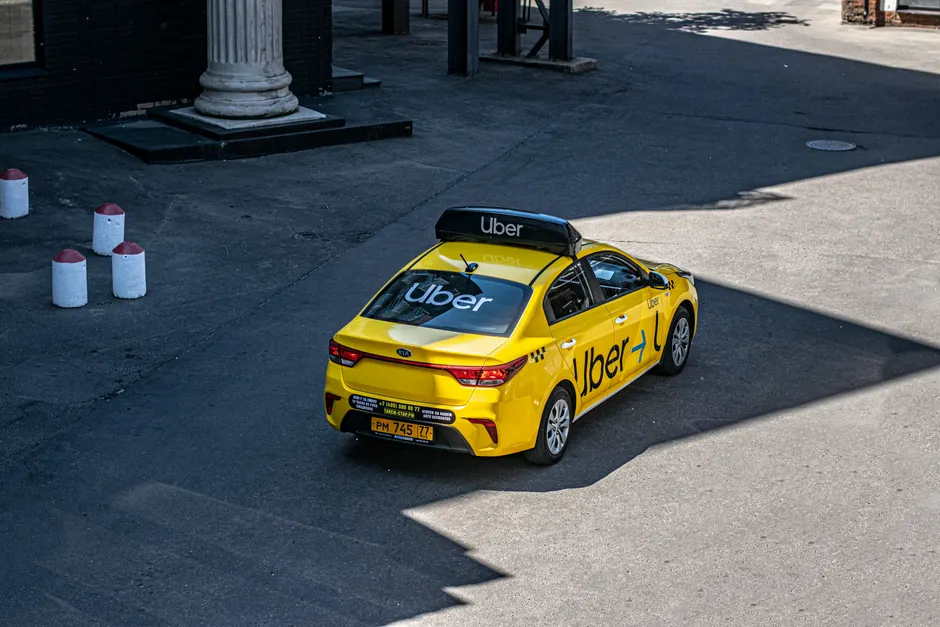
Uber Launches Uber Kids Pilot for Riders as Young as 10
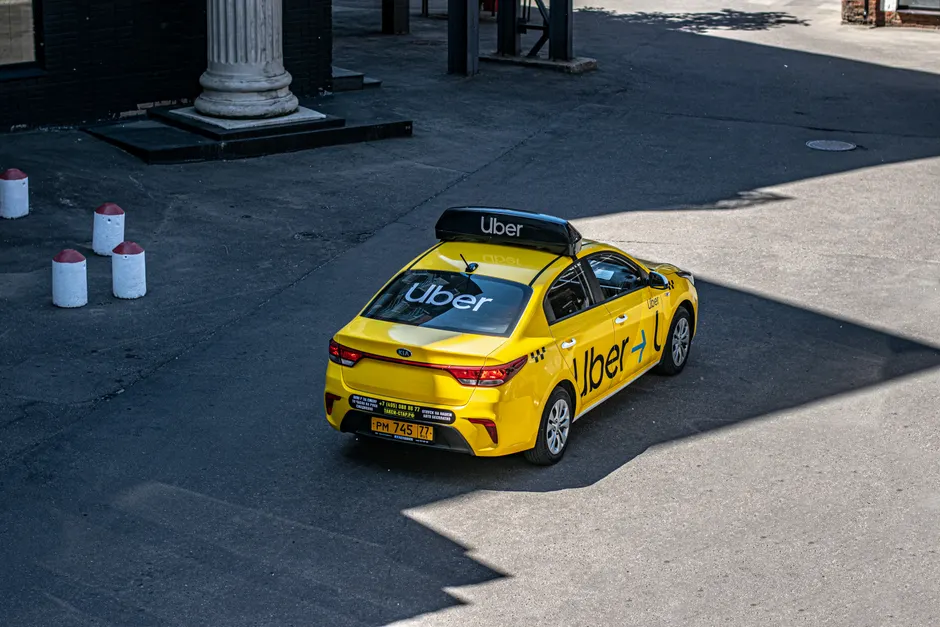
Uber has launched Uber Kids, a limited pilot that lets children as young as 10 book ride-hailing trips. The pilot is running in Austin, Texas, Nashville, Tennessee, and Madison, Wisconsin. TechCrunch reported the program on November 19, 2026, and Uber describes it as a limited pilot.
Uber Kids extends Uber for Teens, the company's existing service for riders aged 13 to 17. Uber first opened ride-hailing to minors in 2023 with the launch of Uber for Teens. Uber Kids lowers the minimum age by three years, and the controls around it are considerably heavier.
The most important of those controls concern who can book. Only a parent or guardian can order an Uber Kids ride, and only after adding the child to the family profile and completing mandatory onboarding. The trip cannot begin until a parent or guardian is physically present at the pickup location. Parents must also write a note to the driver explaining the drop-off. The rider, in other words, does not initiate or complete the trip alone in any sense that matters to the operator.
On the driver side, Uber limits participation to invited drivers with high ratings. Those drivers must complete an education module and must be opted into live video streaming, so parents can watch the trip in real time. Uber says all Uber Kids recordings are encrypted and are not available to the driver.
Every Uber Kids trip requires PIN verification. Uber also says it uses sensors and GPS data, the satellite-based location signal that tracks where the car is, to detect when a ride goes off course, stops unexpectedly, or ends early.
Drivers are compensated for the added responsibility. Eligible drivers earn $7 more on every Uber Kids trip than on a standard trip, and receive an extra $20 for their first Uber Kids ride.
The broader context here is a product design that routes most of the safety burden through the parent and the vetted driver, with telemetry and identity checks layered on top. Each control targets a different failure mode. Driver selection and training shape who is behind the wheel. Live video and mandatory parental presence at pickup give the adult a direct line of oversight. PIN verification confirms that the right person is in the right car. Sensor and GPS monitoring flags route deviations and abrupt stops, the signals that something may have gone wrong mid-trip.
In my view, the questions that matter most for a pilot like this concern how the controls perform at scale and under stress, not the feature list. Live streaming depends on a parent actively watching. Parental presence at pickup depends on the parent being available. Route anomaly detection depends on thresholds that a limited pilot in three cities will have to tune against real trips. Those three markets are a modest test bed, and whether the design holds across a larger population of families and drivers is the open question.
For families who already rely on app-based transport to move children between activities, a supervised, verified, traceable option with parental oversight built into the booking flow is a different proposition from an informal arrangement with an unvetted driver. Its value will depend on whether the friction of onboarding and pickup requirements is worth the oversight it provides.
For engineers and product leads tracking the category, Uber Kids is a useful case study in extending a consumer service to a younger user base. The platform moves trust from the rider's account to a chain of verified parties and instrumented trips. The pilot will show whether that chain holds in practice.