U.S. Voters Pass 40 of 41 Measures Limiting Data Centres
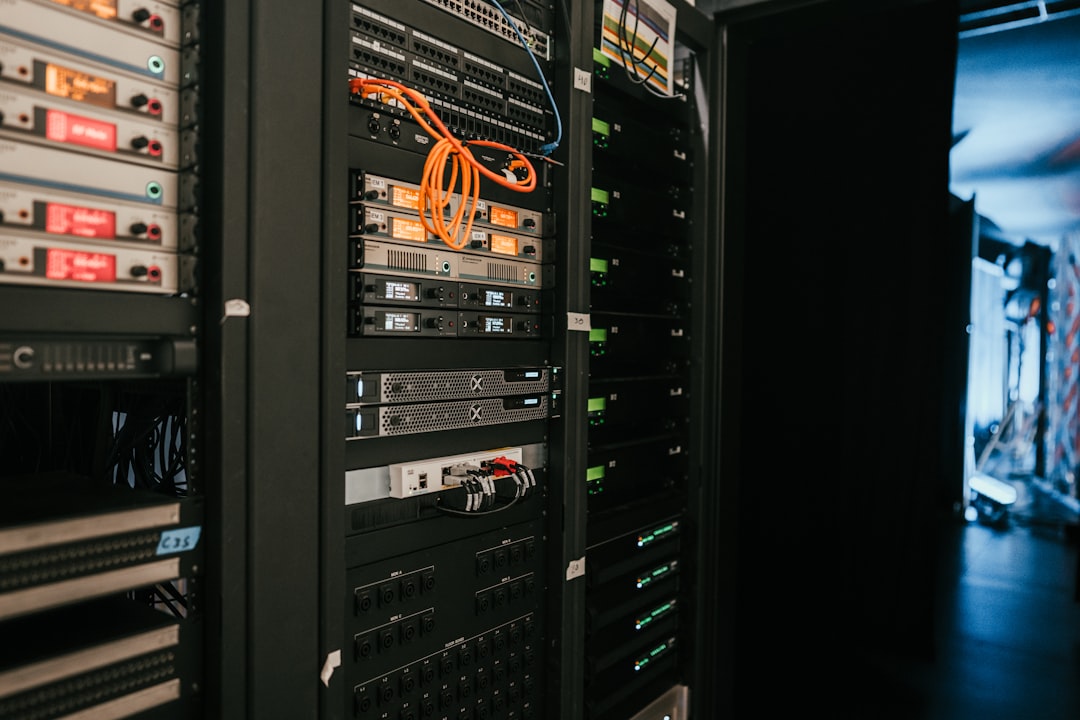
Voters in recent U.S. midterm elections passed 40 of 41 local ballot initiatives aimed at limiting or preventing data centre development, according to the BBC. Ballot initiatives are measures put directly to voters, rather than decided by elected officials. Data centres are large facilities that house the computer servers used to run artificial intelligence (AI) systems.
The same kind of projects are drawing attention in Canada, where most of the proposed AI data centre sites are concentrated in one province. According to the BBC, 90% of all currently proposed AI data centre sites in Canada are set to be built in Alberta. The province has pitched itself as "North America's destination of choice" for AI data centres and offers a "concierge" service for investors, meaning personal guidance through the process.
Kevin O'Leary has announced plans to build two large AI data centres, both named Wonder Valley, one in Alberta and one in Utah. The Alberta project is 7,000 acres and 7.5 gigawatts, a unit of electrical power. It is billed as "off-grid," meaning it would run on its own power system, fuelled by natural gas sourced from the region rather than drawing on the public electricity network.
The Utah project has also faced scrutiny. Stuart Adams, an outgoing Utah state senator, demanded in June that the project be scaled down by 75%, from 40,000 acres to 13,000 acres.
In Alberta, the provincial government took a different approach to oversight. In April, it exempted the Wonder Valley AI Data Centre project from an environmental impact assessment, a formal review of a project's likely effects on the environment. The project still needs permits before construction can begin.
Lucy Hargreaves is chief executive of Build Canada, a non-profit policy group.