Waymo Plans to End Its Exclusive Uber Partnership and Sell Rides Directly From 2028
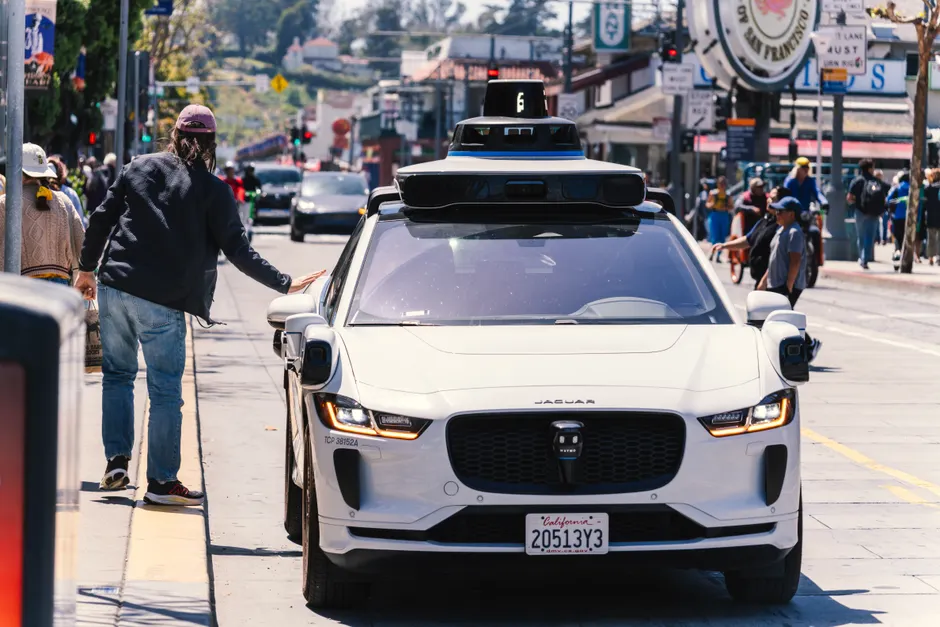
Waymo plans to end its exclusive robotaxi partnership with Uber. Starting in January 2028, riders in Austin and Atlanta will be able to hail Waymo driverless rides directly through the Waymo app, according to The Verge.
Uber and Waymo have worked together exclusively in Austin and Atlanta. Waymo co-CEO Tekedra Mawakana called the mixed-fleet experience with Uber a “crapshoot” for Waymo customers, which frames the change as a customer-experience decision as well as a commercial one. The plan moves the Waymo booking path onto Waymo’s own app in those two cities, and Uber’s role there is set to end.
The change sits inside a wider Uber strategy. More than 30 companies have deals with Uber to feature their autonomous vehicles on its app, so the Waymo arrangement was one of many supply relationships on the platform, not the only one. Uber’s marketplace model is built to aggregate multiple AV (autonomous vehicle) operators, and this decision keeps that model intact while removing one exclusive pairing.
Serve Robotics, the sidewalk delivery operator, is also moving away from Uber. Serve will not renew its partnership with Uber Eats when it expires in 2027. The company operates thousands of sidewalk delivery robots in dozens of US cities. In December 2025, it said it had built 2,000 autonomous delivery robots, which it called the largest sidewalk delivery fleet in the U.S. (Serve Robotics press). That same month, it announced autonomous deliveries in Fort Lauderdale with Uber Eats, and on December 10 it announced an expansion to Alexandria, Virginia. On January 20, 2026, Serve announced a plan to acquire Diligent Robotics, which would extend its physical AI platform, meaning its software for robots that act in the real world, beyond the sidewalk.
Waymo is also expanding its own footprint independently of Uber. Waymo has said that anyone in San Antonio, San Diego, and Tampa can download the Waymo app and hail a fully autonomous ride. Its San Antonio service includes rides to San Antonio International Airport. The company said it has welcomed hundreds of thousands of riders in those three cities since opening service there earlier in the year (Waymo blog).
For engineers and product leads, the operational questions are specific. A single-operator app removes the need to reconcile dispatch (assigning vehicles to riders), pricing, vehicle assignment, and rider data across two platforms. It also means Waymo takes on direct responsibility for demand generation, meaning attracting riders to fill its vehicles, and rider support in Austin and Atlanta. Uber previously handled those functions on its side of the marketplace.
In my view, the most useful thing to watch between now and January 2028 is how Waymo handles the transition in those two markets, and whether the mixed-fleet problem Mawakana described shows up in service metrics such as wait times, cancellations, and vehicle match quality. Those numbers will say more about the decision than the announcement itself.
The broader context here is a robotaxi sector moving from shared aggregator marketplaces toward operator-owned consumer channels, at least in some cities. Riders get a single relationship with the vehicle operator, and operators gain the customer data and pricing control that marketplaces previously held. Uber keeps its position as a multi-vendor platform, which is a reasonable place for a ride-hailing network to sit as autonomy spreads. For riders in Austin and Atlanta, the practical outcome is simpler: from January 2028, they will be able to book a Waymo directly.