Houthis Declare Naval Blockade on Saudi Arabia: What's at Stake
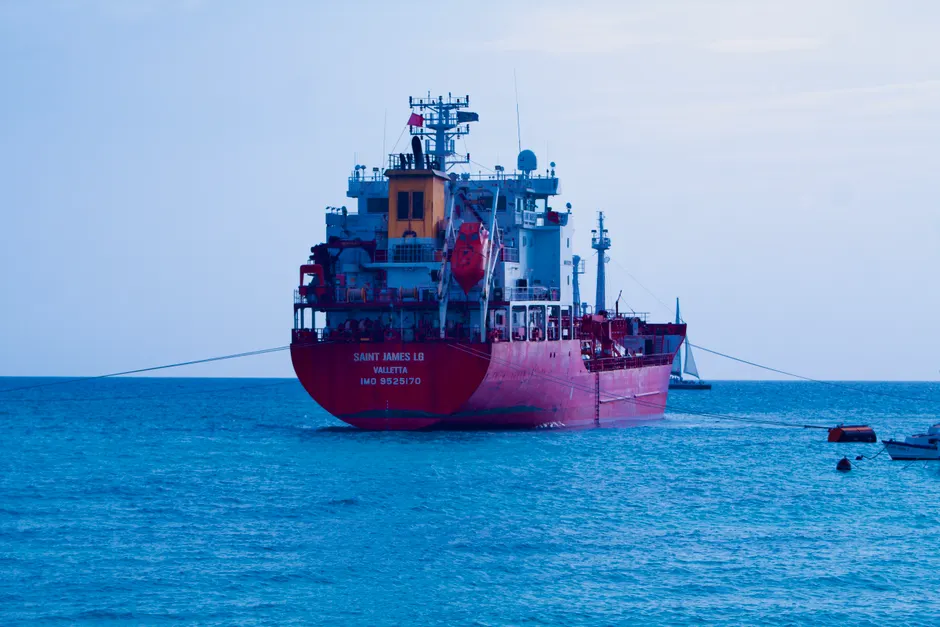
On July 20, 2026, Yemen's Iran-aligned Houthi movement declared a naval blockade against Saudi Arabia, targeting ships carrying Saudi exports through the Bab el-Mandeb strait. A Houthi military spokesperson announced the blockade in a televised speech, saying it was effective immediately (Reuters).
The move singles out vessels carrying Saudi exports moving through a narrow maritime passage that connects the Red Sea to the Gulf of Aden (ABC News). The Bab el-Mandeb strait is one of the world's most important oil-shipping corridors, funneling crude oil and refined products from the Persian Gulf toward the Suez Canal and on to European markets. By targeting Saudi commercial traffic in this corridor, the Houthis widened the threat to global oil supplies (NBC News).
The declaration did not come out of nowhere. Four days earlier, on July 16, Reuters reported that Iran had asked the Houthis to stand ready to close the Red Sea oil route if the United States strikes Iranian power infrastructure (Reuters). A naval blockade is an attempt to prevent ships from entering or leaving a particular area of sea, typically enforced by a military force. Iran's request, conveyed before the blockade was formally announced, establishes a direct link between the broader US-Iran confrontation and Houthi operations at sea. It also suggests the blockade may serve not only as an independent Houthi initiative but as a coordinated pressure tactic within Iran's broader regional strategy.
For Saudi Arabia, the blockade compounds an existing problem. As of mid-July 2026, Riyadh was already considering an expansion of its crude oil pipeline to the Red Sea coast, a project aimed at reducing dependence on the Strait of Hormuz by rerouting exports through western Saudi terminals (Reuters). The Strait of Hormuz, at the mouth of the Persian Gulf, is another critical shipping chokepoint where Iran has historically exerted pressure. Saudi Arabia's pipeline strategy was designed as a hedge against disruption there. But a Houthi blockade at Bab el-Mandeb undermines that hedge, because the Red Sea route itself becomes the contested corridor.
The convergence of these threads matters for several reasons. First, the Houthi declaration shifts the focus of maritime risk from the Strait of Hormuz to the Bab el-Mandeb, where the Houthis possess anti-ship and drone-strike capabilities developed through years of Red Sea operations. This means Gulf oil-supply risk now spans two chokepoints simultaneously rather than one.
Second, the Iranian request reported on July 16 suggests the blockade may be conditional, tied to a US escalation trigger rather than a permanent standing threat. If so, the July 20 declaration could be a pre-positioning move: making the blockade formally active so enforcement can be scaled up quickly if US-Iran hostilities escalate. Under international maritime law, a blockade's legality depends on effective implementation, notification to neutral parties, and non-discrimination among flag states. Whether the Houthis can enforce a targeted interdiction of Saudi exports specifically, while allowing non-Saudi traffic to pass, remains an open operational question.
Third, the timing places Saudi Arabia in a difficult position. Riyadh has been working to normalize relations with Tehran and has broadly sought to reduce regional tensions. A Houthi blockade directed at Saudi exports pressures Riyadh to either absorb the economic disruption or intervene militarily. Either choice would strain the diplomatic framework Saudi Arabia has been building. The pipeline expansion under consideration reflects an awareness that infrastructure diversification is necessary, but it also confirms that Saudi decision-makers identified the Red Sea shipping risk before the July 20 declaration.
The broader context here is a Middle East in which proxy maritime disruption has become a primary tool of regional coercion. The Houthi movement, armed and politically supported by Iran, has previously shown both the capability and willingness to target commercial shipping in the Red Sea. The July 20 declaration escalates that pattern by formalizing a blockade against a specific state rather than issuing general threats to international shipping. It also raises the question of whether other Gulf states with Red Sea export infrastructure will adjust their maritime security postures, and whether the US Fifth Fleet, which maintains a significant presence in the region, will alter its escort operations for commercial traffic.
What remains unclear is the enforcement threshold. The Houthi spokesperson's statement declared the blockade effective immediately, but the practical details, including which vessels will be targeted, how they will be identified as carrying Saudi exports, and what level of force will be applied, have not been specified in the available reporting. The gap between declaration and enforcement is where the immediate risk to oil markets and maritime safety will either materialize or not.
For energy markets, the key variable is whether shipping insurers and tanker operators treat the declaration as actionable. If war-risk premiums for transiting the Bab el-Mandeb rise sharply, the economic effect of the blockade will be felt through freight rates and insurance costs even if no vessel is physically stopped. Saudi crude exports would bear the direct cost, but the premium increase would apply to all traffic through the strait, creating a price signal that extends well beyond the bilateral Saudi-Houthi dynamic.


