Houthis Resume Red Sea Attacks on Saudi Oil Tankers, Declaring a Naval Blockade

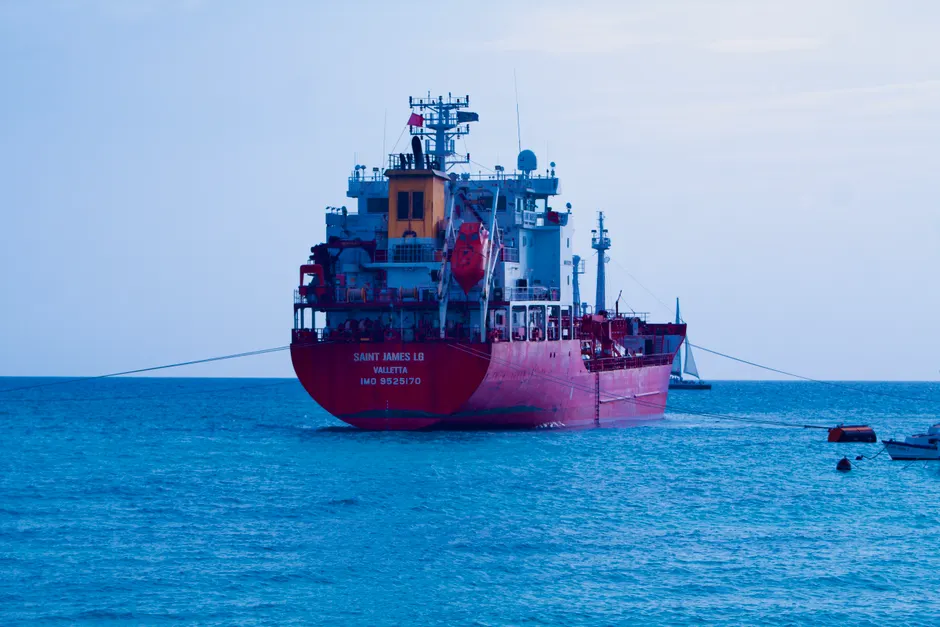
Yemen's Houthi movement claimed responsibility for strikes on two Saudi oil tankers in the Red Sea in July 2026, ending a pause in direct Houthi attacks on commercial shipping (gCaptain). The strikes followed a Houthi-declared naval blockade against Saudi Arabia announced on July 20, 2026 (Institute for the Study of War).
Saudi Arabia rejected the Houthi-declared maritime blockade and vowed to protect Red Sea shipping (Israel National News). Iran's Tasnim news agency reported that the vessel targeted by the Houthis was a Saudi oil tanker (Israel National News). According to Al Jazeera, a VLCC — a very large crude carrier, among the biggest oil tankers in operation — was targeted by Houthi fighters south-west of the port of Al Hudaydah in Yemen and suffered only minor damage (Al Jazeera).
On July 21, 2026, the New York Post reported that two oil tankers carrying Saudi crude made U-turns in the Red Sea following Houthi threats (New York Post). Those U-turns by vessels loaded with Saudi oil are the immediate practical result of the Houthi blockade declaration and the claimed strikes on those same tankers.
The sequence of events began with the July 20 blockade announcement, then moved to the Houthi-claimed strikes on the two Saudi tankers, and finally produced the reported vessel reversals as tanker operators reacted to the threats. The targeting of a VLCC south-west of Al Hudaydah places the incident in a strategically significant stretch of the Red Sea, near the Bab el-Mandeb chokepoint — a narrow strait through which a large share of global crude and refined oil flows.
The broader context here matters for several reasons. The Houthi movement had paused direct attacks on commercial shipping, and this resumption reopens a threat that shipping insurers, naval forces, and energy markets had been adjusting to and around. The decision to declare a blockade specifically against Saudi Arabia, rather than framing attacks within the broader regional conflict posture the Houthis have previously invoked, narrows the threat to a single Gulf state's maritime energy exports. That framing carries implications for how Riyadh calibrates its naval response, and for whether other Gulf states perceive the threat as limited to Saudi-flagged or Saudi-cargo vessels.
The fact that a VLCC suffered only minor damage is operationally notable. Very large crude carriers are designed to absorb significant structural stress, and a minor-damage outcome from a Houthi strike suggests either limited targeting precision, an effective defensive measure, or both. Shipping operators and war-risk underwriters — the insurers who price the cost of conflict-related danger to vessels — will be parsing the available detail on the strike method and the extent of damage closely, as the difference between minor damage and a vessel being put out of action is the difference between a manageable insurance risk and a rerouting decision that removes Saudi crude from the Red Sea corridor entirely.
Saudi Arabia's rejection of the blockade and its pledge to protect Red Sea shipping sets up a potential direct confrontation between Saudi naval assets and Houthi forces in the Red Sea corridor. The Saudi statement does not specify what protective measures will be deployed, but the framing of a rejection of the blockade rather than a negotiated response signals an escalatory posture. The Houthis' claimed successful strikes on two vessels, combined with the observed U-turns of tankers carrying Saudi crude, give the blockade declaration an operational credibility that prior Houthi threats have sometimes lacked.
For energy markets, the immediate signal is the diversion of Saudi crude away from the Red Sea route. If the blockade persists or escalates, Saudi exports that normally transit the Red Sea toward the Suez Canal and European markets may require rerouting around the Cape of Good Hope — the southern tip of Africa — adding transit time and freight costs. The two U-turns observed on July 21 provide the first concrete evidence that operators of Saudi-crude vessels are treating the Houthi threats as actionable rather than rhetorical. How broadly that assessment spreads to non-Saudi-flagged vessels carrying Saudi-origin cargo will determine whether the impact stays bilateral between the Houthis and Riyadh or expands to affect the broader Red Sea shipping environment.