Death During Police Restraint in Bologna Tests Italy's New 'Shield' Law

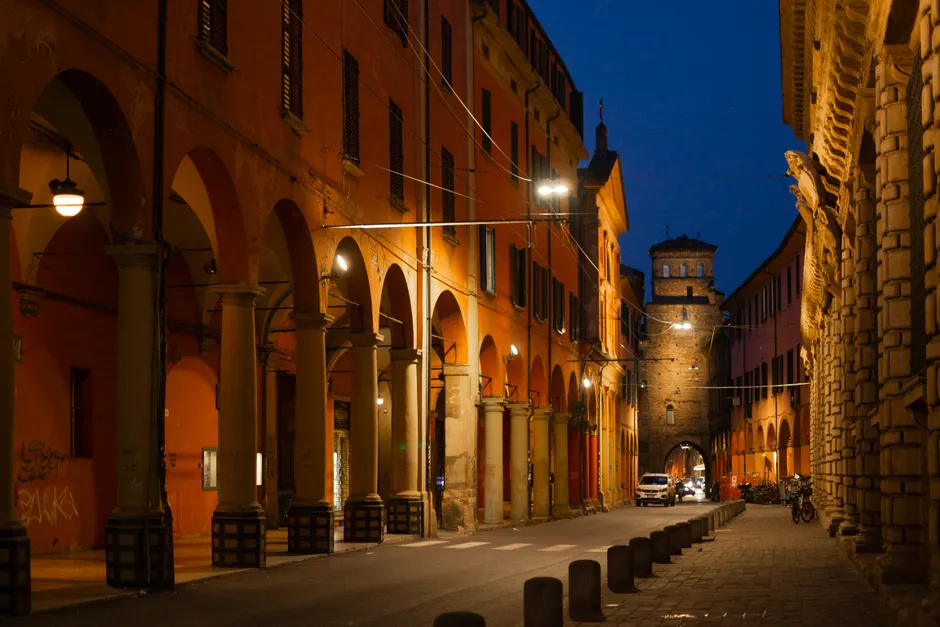
Abderrahim Fakir, a 42-year-old Moroccan-born man who had lived in Italy for 37 years, died on July 19, 2026, during a police intervention in the Pilastro neighborhood of Bologna. Two police officers restrained Fakir face down on the ground during the arrest; he died while handcuffed, according to Italian wire service ANSA, which published its first report on the case the following day ANSA.
Fakir ran a small removals and cleaning business in Bologna and was a long-term resident of the city. A video of the police restraint circulated widely online in the hours after his death, drawing immediate public attention to the case. By July 20, Reuters, ANSA, CBS News, and Yahoo News had all published reports on the incident Reuters. The death prompted street protests across Italy, with demonstrators gathering to demand accountability.
Italian authorities pledged a full investigation on Monday, July 20 Yahoo News. Six people are now under investigation in connection with the death, according to ANSA. The case has been placed under the jurisdiction of Bologna prosecutors, who have applied Italy's new "scudo" (shield) law — a recently enacted statute designed to protect police officers from prosecution for actions taken in the line of duty ANSA.
The scudo law, whose name translates to "shield," provides legal protections to law enforcement agents and must be invoked by prosecutors when officers are under investigation for actions taken on duty. Think of it as a legal buffer: before officers can be prosecuted, prosecutors must work through an added layer of legal protection built into the statute. Its use in a case involving a death during restraint will likely draw scrutiny of how the law balances officer protections against accountability for in-custody fatalities. Fakir's family is not among those under investigation, according to the same ANSA report.
Fakir sustained wounds to his head and face that require forensic determination of the cause of death, ANSA reported. The two officers involved were equipped with body cameras during the incident, though the content of any footage from those devices has not been publicly released. The widely shared civilian video of the restraint has been the primary visual record available to the public.
The case has already resonated in Italian political circles. Senator Ilaria Cucchi, whose brother Stefano Cucchi died in police custody in 2009 in a case that became one of Italy's most prominent scandals over deaths during law enforcement encounters, publicly commented on Fakir's death The New Arab. The Cucchi case, which took years to yield convictions, remains a reference point in Italian debates over police accountability.
The broader context here is one of recurring tension in European policing, particularly around the use of prone restraint techniques — holding someone face down — and their physiological risks. Fakir's death follows a pattern seen in multiple European jurisdictions where face-down restraint during arrest has resulted in fatalities, often involving men from minority or immigrant backgrounds. That Fakir had spent the vast majority of his life in Italy, arriving as a child and building a business, adds a dimension of belonging that protesters and commentators have emphasized.
Italy's application of the scudo law to this case also raises procedural questions about how investigations into police conduct will proceed under the new statute. The law's deployment means that prosecutors must navigate additional legal protections for the officers involved even as they investigate the circumstances of a death that occurred during restraint. With six individuals under investigation, body camera footage in evidence, and a cause of death yet to be forensically established, the Fakir case is at an early stage. What the investigation concludes, and whether the evidence from body cameras and the civilian video aligns, will shape both the legal proceedings and the public response that has already taken to the streets.