Three Outages in One Week Raise Questions About Cyber Resilience

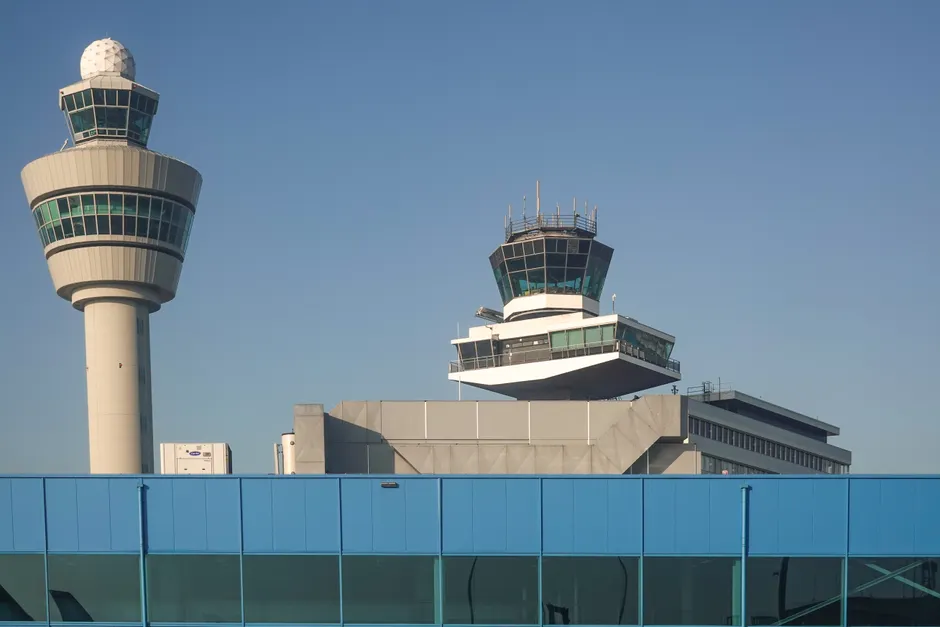
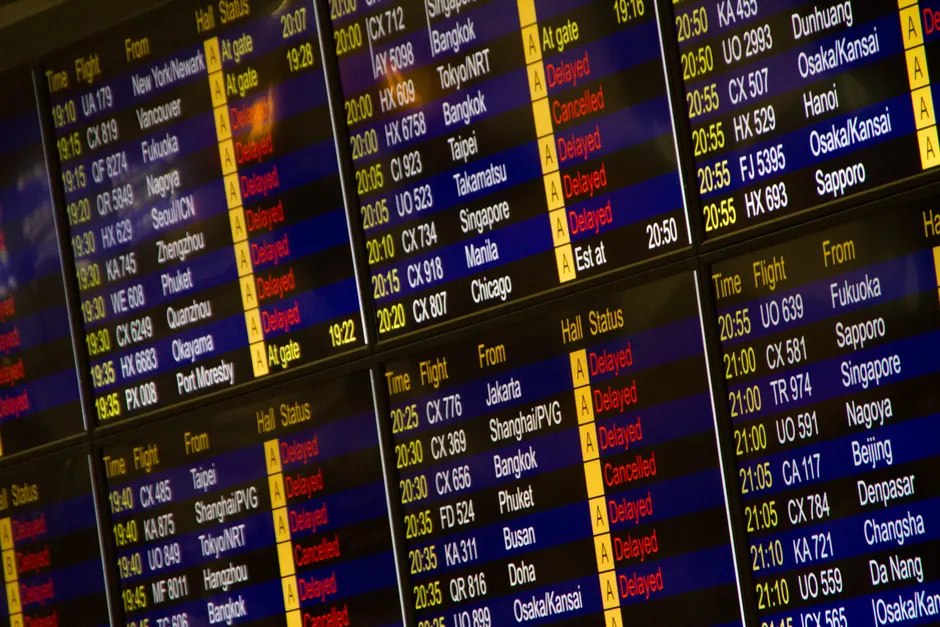
A nationwide ground stop by the Federal Aviation Administration, a multi-day Outlook outage that left entire companies unable to work, and a banking outage at JPMorgan Chase all happened within the past week, The Verge reported. The outages were believed to have been caused by cyberattacks.
The three incidents span air traffic management, enterprise email and collaboration, and retail banking. Each sector runs on different vendors, different dependency chains and different recovery procedures. A cluster of failures across all three in one week is unusual in scope.
Jay Clayton, whom the original report identifies as Director of National Intelligence, said the American public should prepare for three things: investment in upgrading systems, investment in cybersecurity, and disruption along the way to a step change in technology. Clayton's remarks place the week's events within a longer program of infrastructure change rather than a short repair cycle.
Microsoft President Brad Smith warned organizations to prepare for the coming months. He said the world's information infrastructure is being upgraded, and that the work will not be finished in a couple of weeks. The Verge reported Smith's remarks on the timeline in the same account.
Smith also said AI has made it easier to find flaws in software. That capability cuts both ways. Defenders can use it to find and patch vulnerabilities, meaning weaknesses that can be exploited. Attackers can use the same techniques to find entry points into systems.
In my view, the dual-use point is the thread practitioners should weigh most carefully. Finding vulnerabilities has historically been limited by the scarcity of skilled researchers and the time needed to triage findings, that is, to sort and prioritize them. If AI-assisted analysis shortens that cycle, both the discovery rate and the exploitation rate rise. The gap between disclosure and patch deployment then becomes the critical variable. Enterprises running long-lived legacy estates, where patch cycles are measured in quarters, will feel that pressure first.
The broader context here is that an outage attributed to a cyberattack is a different operational problem from an ordinary failure. Recovery depends on identity controls, network segmentation, the integrity of backups and the ability to confirm which systems are clean before they are restored. Those practices have been part of security programs for years. A multi-day email outage at scale tests whether they hold under pressure.
Smith's warning about the length of the upgrade cycle suggests the disruption may not end with the current incidents. Organizations will likely be asked to fund modernization and hardening while absorbing operational losses. That trade-off will shape budgets and vendor decisions in the months ahead.
There is also a more hopeful reading. The same tools that expose weaknesses in code can be turned toward remediation. As Clayton and Smith describe it, the scale of the current effort is an opportunity to retire fragile systems that have outlived their design assumptions. Whether that happens depends on how quickly fixes move from announcement to production, and that work will take months.