One in 15 Million: A Brisbane Woman Gives Birth to Identical Quadruplets
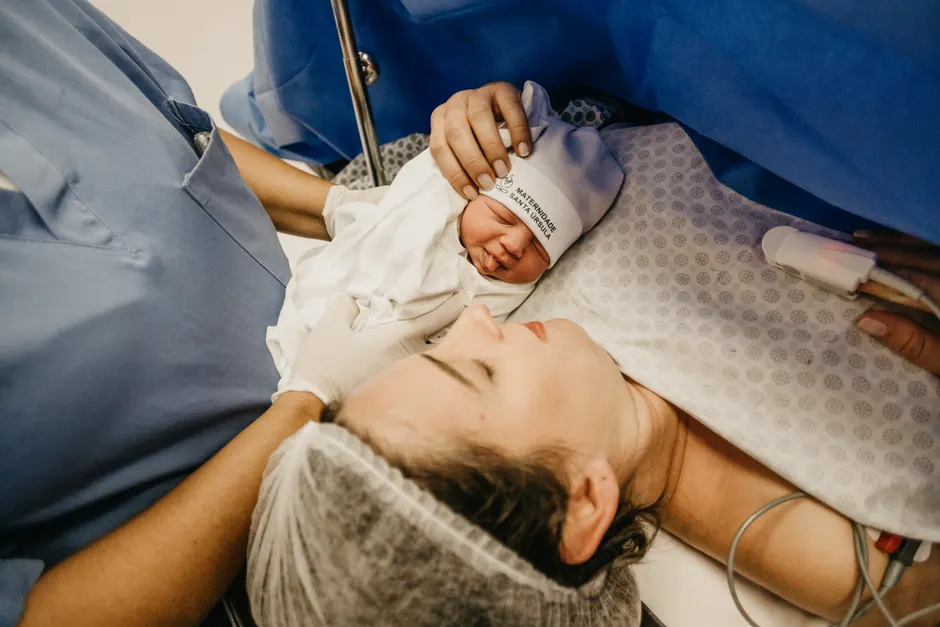
A 34-year-old Brisbane woman, Jenitar Na'amoana, gave birth to naturally conceived identical quadruplets on 14 July 2026 at the Royal Brisbane and Women's Hospital — what treating specialists believe is the first such case recorded in Australia (The Guardian).
The four girls — Emily, Harriet, Catherine, and Alexa — were delivered by C-section at 28 weeks and four days' gestation. They were conceived from a single fertilised egg that split into four, a phenomenon described as a "one in 15 million" occurrence (The Guardian; ABC News). To put that in perspective, quadruplets of any kind occur in roughly one in 700,000 pregnancies. The identical variant — where a single egg divides multiple times rather than four separate eggs being fertilised — is vanishingly rarer, at about one in 15 million (ABC News).
The pregnancy was classified as "extremely high risk" (BBC). Dr. Alexa Bendall, a maternal foetal medicine specialist and obstetrician at the Royal Brisbane and Women's Hospital, led the care. She stated that this is believed to be the first case of spontaneously conceived identical quadruplets in Australia, and that there may have been only a couple of other cases of this type elsewhere in the world (The Guardian). One of the quadruplets, Alexa, was named after Dr. Bendall.
Na'amoana and her husband Jortham already had four children before the quadruplets were born. Na'amoana had not planned on having any more children and was still breastfeeding her youngest child when she learned she had fallen pregnant again (The Guardian; 1News; BBC). The family has since set up a GoFundMe campaign to help cover medical, travel, and everyday living expenses, as well as the cost of a van with at least 10 or 12 seats (The Guardian).
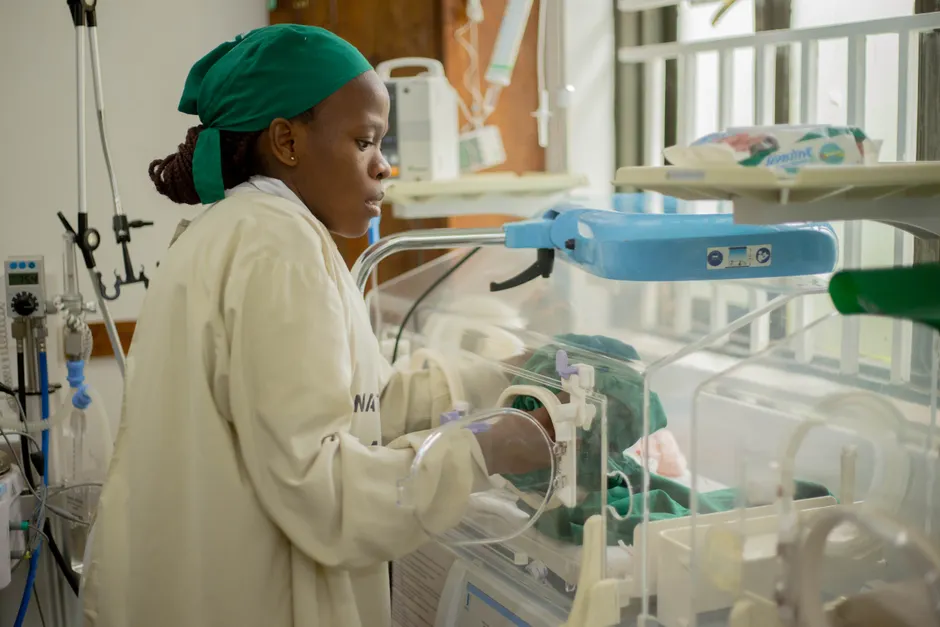
The quadruplets are expected to remain in hospital for an extended period before being discharged home. This is standard for infants born at 28 weeks, when organ systems, particularly the lungs and brain, are still maturing. Neonatal intensive care at this gestational age typically involves respiratory support, temperature regulation, and nutritional management, with hospital stays often extending to around the original due date.
The story was reported on 20 July 2026 by multiple outlets, including The Guardian, ABC News, the BBC, Brisbane Times, and News.com.au, with the Australian Associated Press distributing the account across regional platforms. The Guardian's reporting drew on direct quotes from Dr. Bendall, without citing another news outlet as the source.
The broader clinical context here is that multiple pregnancies of this magnitude carry elevated risks of preterm labour, restricted growth in the womb, and maternal complications. All of these appear to have materialised in this case through the early delivery and prolonged hospitalisation. What makes this birth particularly notable from a medical standpoint is the absence of assisted reproductive technology, such as in vitro fertilisation or fertility drugs, which are behind many higher-order multiple births. Spontaneously conceived identical quadruplets are so uncommon that, if confirmed by broader medical literature review, this would rank among only a handful of documented cases globally. That rarity will likely draw sustained interest from obstetric and neonatal specialists well beyond the immediate news cycle.