Identical Quadruplets Born in Brisbane in Likely Australian First
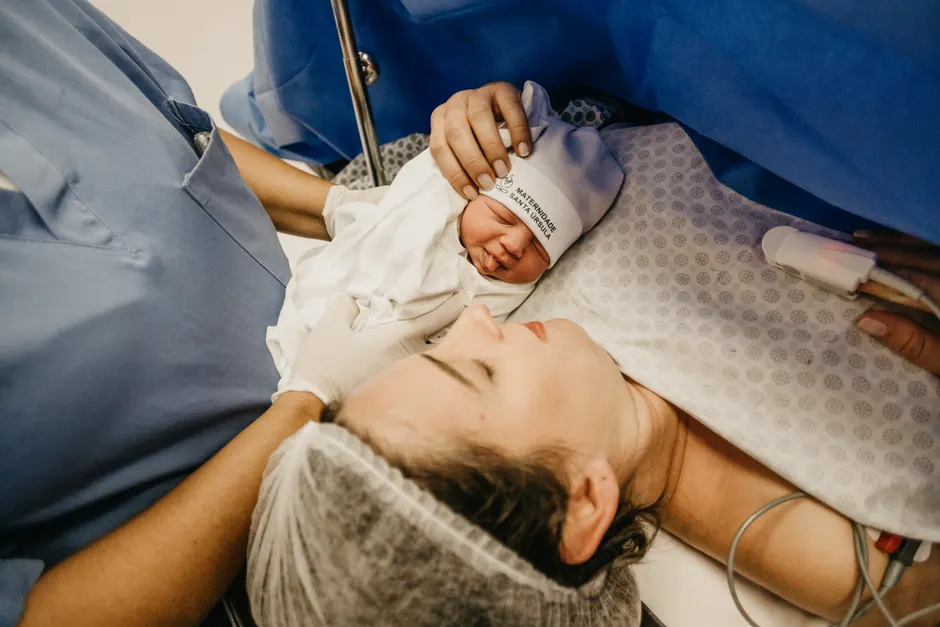
Four identical girls — Emily, Harriet, Alexa, and Catherine — were delivered by caesarean section at Royal Brisbane and Women's Hospital (RBWH) on July 14, 2026, in what is believed to be the first known case of identical quadruplets born in Australia. Their mother, Jenitar Sau Na'amoana, aged 34, and her partner Jortham, welcomed the girls with the help of a specialist medical team at the hospital. Metro North Health
The quadruplets are monozygotic, meaning they developed from a single fertilised egg that split into four separate embryos. They share one placenta — the organ that supplies oxygen and nutrients during pregnancy. The pregnancy was conceived spontaneously, without any fertility treatment. Spontaneous monozygotic quadruplets are estimated to occur in roughly one in every 15 million pregnancies. Metro North Health
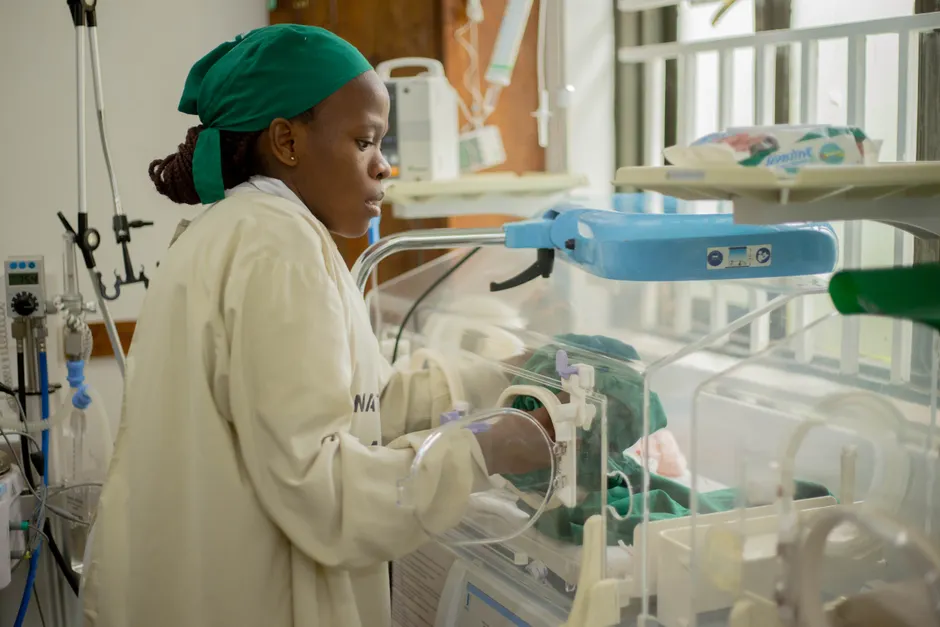
The babies were delivered at 28 weeks and 4 days of pregnancy — well before the typical 40-week term. Early delivery is standard practice in high-order multiple pregnancies, especially when all babies share a single placenta, because the risks of staying pregnant longer can outweigh the risks of prematurity. After birth, the four infants were placed in the RBWH Neonatal Intensive Care Unit (NICU) and were reported as doing extremely well. Metro North Health
Jenitar was already a mother of four children, ranging in age from ten years to one year, making her a mother of eight. Her pregnancy was managed by Dr Alexa Bendall, an RBWH Maternal Fetal Medicine Specialist and Obstetrician. The hospital's monitoring began at 10 weeks of pregnancy, and Jenitar was admitted as an inpatient at 25 weeks — a standard precaution for quadruplet pregnancies given the elevated risk of early labour, uneven growth between the babies, and complications with the shared placenta. Metro North Health
The Na'amoana quadruplets are the first known case of identical quadruplets born in Australia, according to reporting by the ABC and the Brisbane Times. ABC News; Brisbane Times
The clinical rarity of this case deserves some context. Monozygotic twinning occurs when a single fertilised egg splits in the first few days after conception. Why that egg might split more than once to produce identical triplets or quadruplets is not well understood. When four genetically identical embryos arise from a single egg without fertility assistance, the probability is vanishingly small — hence the one-in-15-million estimate. The shared placenta adds further medical complexity. In a pregnancy where four fetuses draw from one placenta, risks include uneven blood flow between the babies (a condition similar to twin-to-twin transfusion syndrome), selective growth restriction where one or more babies grow more slowly, and unequal sharing of placental resources.
The gestational age at delivery, 28 weeks and 4 days, falls in the early preterm range. Infants born at this stage typically need extended NICU support, including help with breathing, temperature regulation, and nutrition. Modern neonatal care at tertiary hospitals like RBWH has substantially improved survival and long-term outcomes for babies born at this gestational age. The report that the quadruplets are "doing extremely well" in the NICU is an early and encouraging clinical signal, though the full health trajectory for preterm quadruplets will unfold over weeks and months.
The inpatient admission at 25 weeks reflects the standard of care for quadruplet pregnancies, which carry significantly elevated risks of spontaneous preterm birth, cervical insufficiency (where the cervix opens too early), and maternal complications including preeclampsia (dangerously high blood pressure during pregnancy) and gestational diabetes. Early and intensive monitoring — including regular ultrasounds to track growth and amniotic fluid levels — is the expected management protocol.
The broader context here is one of institutional capability. RBWH, a tertiary obstetric referral centre within Metro North Health, managed a pregnancy of extraordinary complexity from the first trimester through to a multidisciplinary delivery involving maternal-fetal medicine, neonatology, and specialist obstetric anaesthesia. The successful outcome to date reflects both the rarity of the biological event and the systematic clinical infrastructure required to manage it.
For the Na'amoana family, the arrival of four identical daughters more than doubles the household, bringing the total number of children to eight. The parents' names and the children's names were released by Metro North Health with the family's consent. Metro North Health