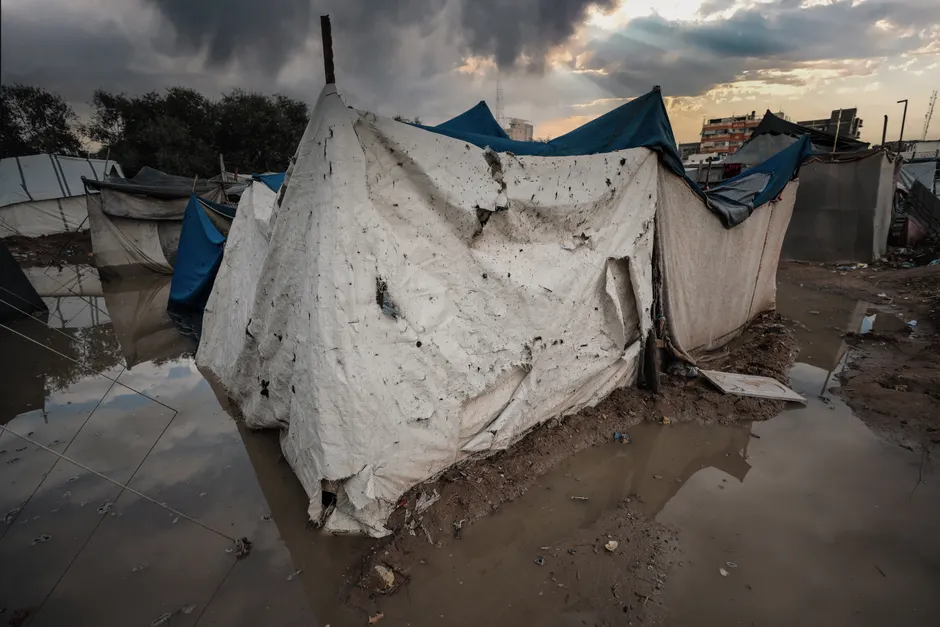
Oxfam report describes Gaza as "a toxic wasteland" after three years of war

Oxfam has published a report saying Gaza has been turned into "a toxic wasteland," with more than 99% of the territory showing indicators of environmental contamination from Israeli military attacks, according to BBC reporting. The BBC described it as the most comprehensive report to date on the severe environmental effects of three years of intense war in Gaza.
The report was prepared by Oxfam and the UK-based Conflict and Environment Observatory (CEOBS). It relied on satellite imagery, remote sensing (analysing data gathered from a distance, such as from orbit), spatial analysis and other publicly available information.
According to the report, heavy metals, explosive residues, asbestos from destroyed buildings, dioxins (toxic chemical compounds) and biological contaminants in the air, soil and water pose threats to Palestinians now and for decades to come.
Oxfam executive director Amitabh Behar accused Israel of "environmental war crimes" as part of an "ongoing genocide in Gaza." Israel says its military campaign is self-defence against Hamas, following the attack of 7 October 2023, and that it takes steps to mitigate harm to civilians. Israel has also rejected genocide accusations in the ongoing International Court of Justice case as baseless and distorted.
The scale of explosives used has been put in figures by others. A UN special rapporteur, an independent expert appointed by the United Nations, said in February that more than 200,000 tonnes of explosives had been dropped on Gaza in almost two years. That is equivalent to about 13 Hiroshima-type nuclear bombs.
Debris is another concern. The UN Environment Programme estimated last year that the destruction of homes and infrastructure had generated more than 61 million tonnes of rubble across Gaza, with about 15% potentially carrying a high risk of contamination from hazardous materials.
Lama Abdul Samad, the report's author, told the BBC that Gazans now and in the future are likely to suffer increased respiratory diseases, cancers and organ damage, as well as a rise in birth defects and stillbirths.
Water and sewage systems are also affected. The BBC reported that all six wastewater treatment plants in Gaza are out of operation, and that untreated sewage is entering groundwater and the Mediterranean Sea.
The report calls for a full, independent environmental assessment across Gaza to identify contamination risks before any clean-up begins.