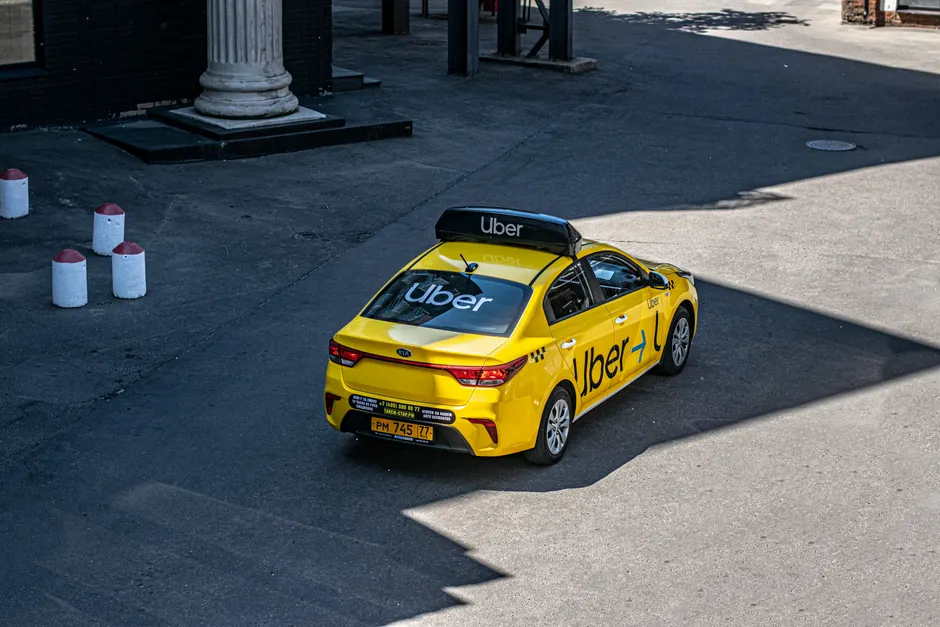
Uber Tests Recorded Rides, Letting Riders Choose In-Car Video
Uber is piloting a U.S. feature called Recorded Rides that lets riders book trips with drivers who have enabled the company's Record My Ride feature. When the option applies, the front camera of the driver's phone records the entire drive. The pilot begins in Baltimore, Raleigh, Indianapolis, and St. Louis, and Uber plans to expand Recorded Rides to more locations after that initial phase.
The booking option is not the only part under test. Uber is also trying two conditional triggers. One starts recording when the app detects that a ride has gone off-course. The other starts recording when the vehicle might have been involved in an accident. Separately, Uber is testing Recorded Rides for rides booked late at night or involving teens, which points to the scenarios the company considers highest risk for riders and drivers alike.
Consent runs in both directions. Drivers can opt out of recording through the Settings panel in the driver app. Riders can decline permission to record through an in-app notification. Recording is therefore the default for a rider who selects Recorded Rides, but neither party is locked into it.
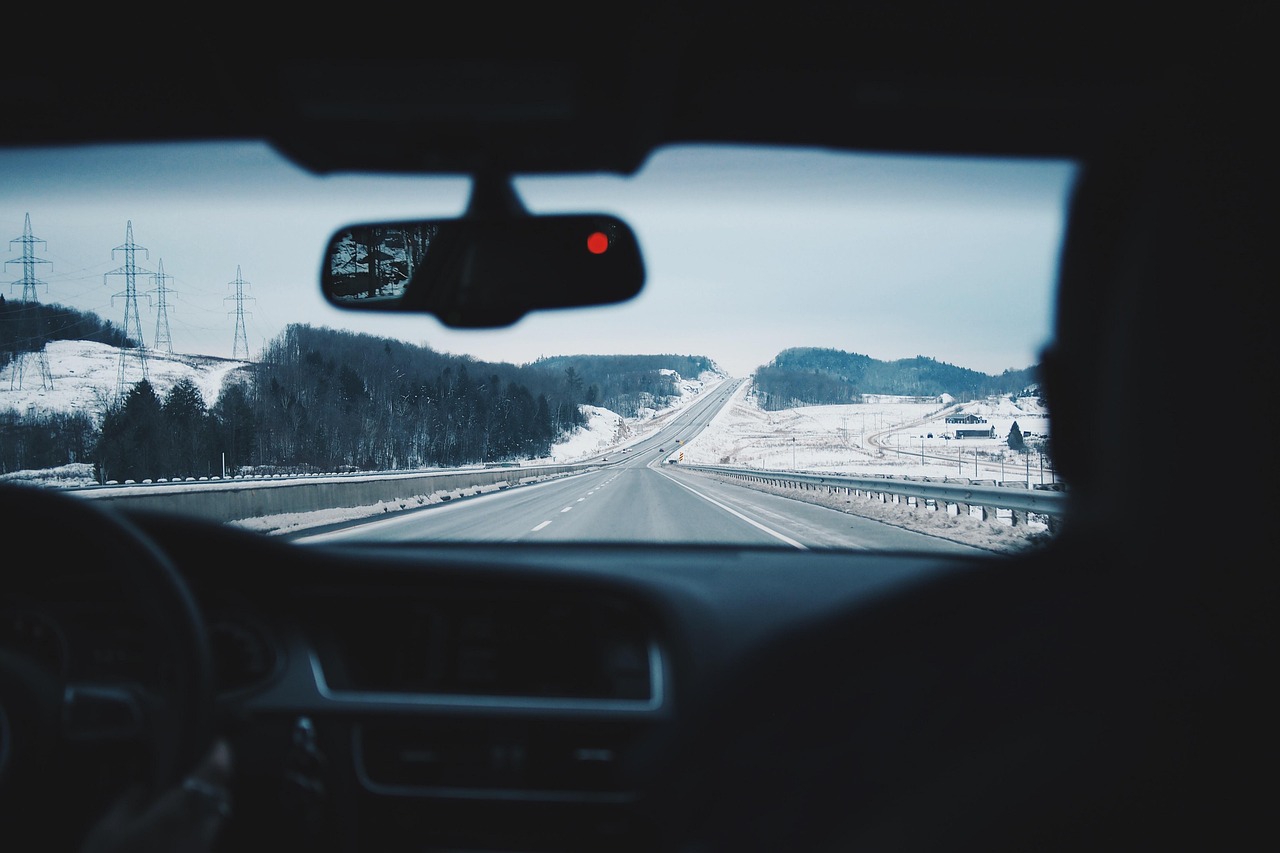
The mechanics matter to anyone working on mobile sensing or trust and safety systems. A phone's front camera is being repurposed as a dashcam, a camera that records the road from inside a car, for a commercial service. The trigger logic depends on the app inferring a route deviation and a possible collision from sensor data. Each inference is a classification problem with its own false-positive cost (an alert that fires when nothing is wrong) and false-negative cost (a real event that goes unflagged). A deviation flag may fire on a legitimate detour, and an accident detector may miss a low-speed impact. The announcement describes the triggers as tests, so the thresholds and accuracy of those detectors are still open questions for the pilot.
The broader context here is that in-cabin recording is a data-governance problem as much as a product feature. Anyone building on this kind of capture will ask how footage is stored on the device and in the cloud, how long it persists, who can retrieve it, and under what conditions it is shared. Those details will shape how the feature is judged as it reaches more cities. The late-night and teen use cases are where that scrutiny is likely to be sharpest.
In my view, the design choices are worth weighing against each other. A recording available when a driver or rider needs an account of a trip, particularly after an accident or a route deviation, can settle disputes that today rest on two conflicting recollections. The same recording, present on every trip booked with the option, is also a standing record of a private space. The rider's ability to decline and the driver's ability to opt out are the two controls that keep that balance adjustable, and the pilot will show how often each is used.
What the pilot makes possible is a verifiable record of an incident, chosen by the rider at booking rather than imposed after the fact. Whether that becomes a useful safety tool will depend on how Uber handles retention, access, and accuracy in the cities where it is now starting.