Houthis Declare Naval Blockade of Saudi Red Sea Ports, Threaten Tankers

Yemen's Houthis warned commercial shipping companies on July 20, 2026, that oil tankers risk being attacked if they use Saudi Arabian Red Sea ports. The threat was issued to enforce a naval blockade the group declared "effective immediately" the same day (The Guardian; Al Jazeera).
A naval blockade is an effort to prevent ships from entering or leaving a specific stretch of water, typically enforced by military threat. In this case, the Houthis sent emails directly to multiple shipping companies on Monday, July 20, instructing them not to load or discharge cargo at Saudi Arabian ports. The message warned that any vessel doing so could be targeted "in any location" within Houthi reach (The Guardian).
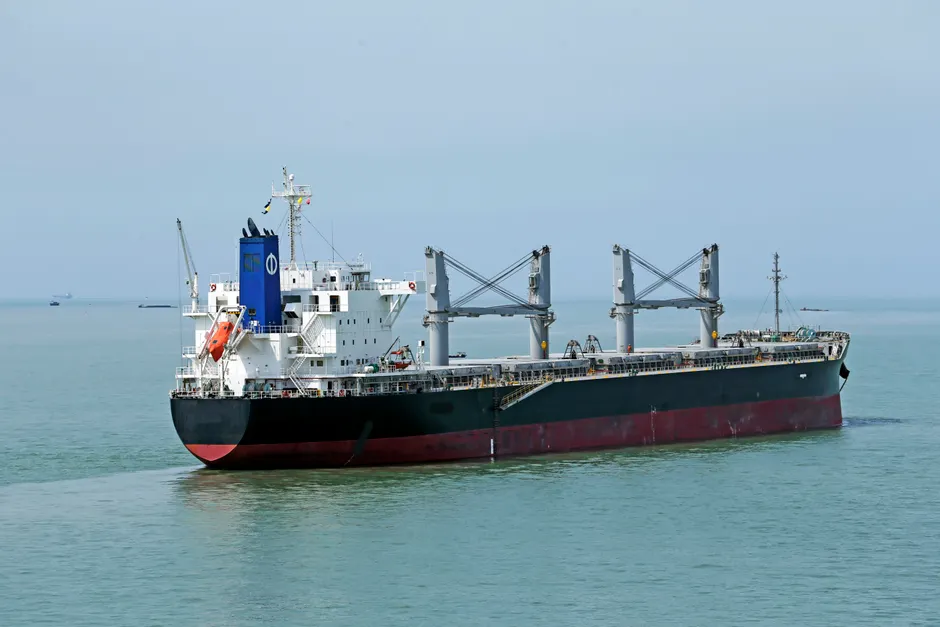
The warning produced immediate results. Two oil tankers loaded with Saudi crude and bound for China and India made U-turns on Tuesday, July 21, away from the Houthi-controlled coast at the mouth of the Red Sea. The Houthis claimed that day that six ships in total had changed course in response to their threat (The Guardian).
Following the warning, vessels calling at Saudi Arabian ports were advised to reconsider transiting the Red Sea and to consider implementing enhanced mitigation measures — steps such as rerouting, hiring armed guards, or tightening communication with naval forces in the area (Reuters). The Saudi-led coalition, a military alliance that has fought the Houthis since 2015, issued its own warning in response to the blockade declaration on July 20 (Reuters).
US President Donald Trump said on July 21 that the US would "take care of business" if the Houthis followed through on their threats (The Guardian).
The Houthis control northern Yemen, including territory along the Bab el-Mandeb strait at the southern end of the Red Sea. This narrow waterway — roughly 20 miles wide at its narrowest point — carries approximately 7% of global maritime traffic (The Guardian).
The broader context here is one of escalating Houthi maritime threats following a period of relative calm. As of July 2026, no new Houthi maritime incidents had been reported in the year (Security Council Report). Prior to the blockade declaration, the Houthis had continued to threaten to resume targeting Israeli-linked shipping. On June 8, they declared they would ban Israeli maritime navigation in the Red Sea (Reuters). Average monthly Red Sea sailings had reached 1,034 in March 2026 (Reuters).
The shift from issuing navigation bans against Israeli-linked shipping to declaring a blockade against Saudi Arabia widens the pool of potential targets. The direct messaging to shipping companies via email, combined with the claim of reach "in any location," broadens the threat beyond the immediate vicinity of the Bab el-Mandeb strait. The immediate tanker U-turns suggest that shipping companies are treating the Houthi warning as a credible operational risk, despite the absence of reported incidents earlier in the year. The response from the Saudi-led coalition and the US administration points to a diplomatic and potentially military crossroads, with Trump's statement signaling a willingness to use force if the blockade is enforced.
What to watch next is whether the Houthis attempt to intercept or attack a vessel to enforce the blockade, which would test the Saudi-led coalition's warning and the US pledge. The movement of crude tankers bound for Asian markets through the Red Sea will be a key indicator of how the shipping industry assesses the threat level in the coming days.