TP-Link's Tapo C825 Brings On-Device AI Detection, Local Storage and a Touchscreen to an Indoor Camera
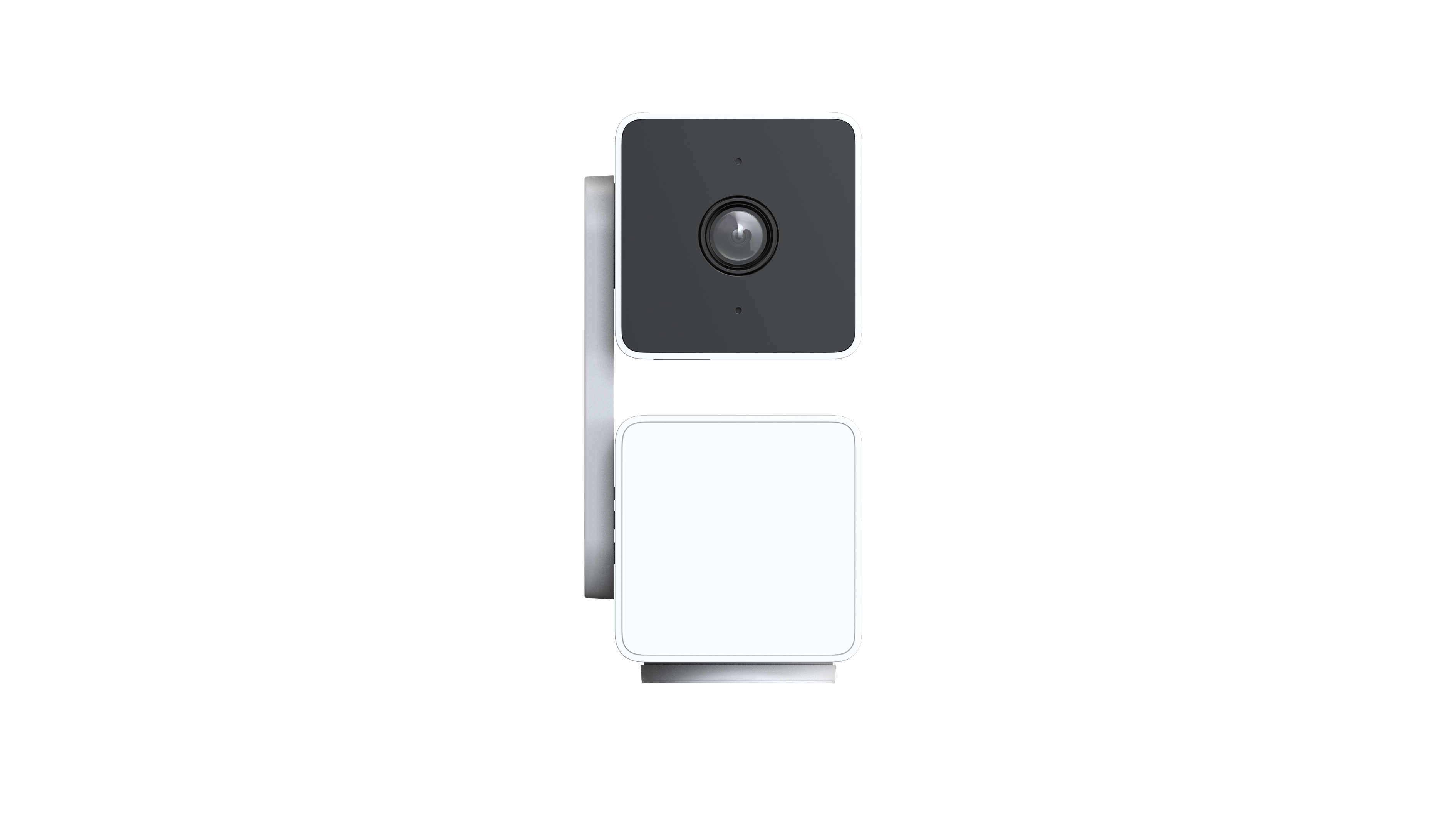
TP-Link's Tapo brand has announced the C825, an indoor security camera built around a 2K pan-and-tilt camera module and a 4-inch touchscreen, priced at $149.99. The Verge report on the launch was published on 25 November 2026.
The camera pans through 360 degrees. Its module tilts up and down through up to 156 degrees, and the lens has a 114.5-degree field of view. Infrared night vision covers low-light monitoring.
Detection runs on the device itself, using on-device AI (machine-learning models that run locally rather than in the cloud). According to the same report, the C825 uses facial recognition to tell family members from strangers and to separate people from pets. It can also recognise specific sounds and send alerts for a crying baby or a barking dog.
Event video is written to a microSD card of up to 512GB, so recordings are kept locally rather than held only in a remote service. The card's capacity sets the practical retention window for a given bitrate (the data rate of the video stream). Buyers will need to work that out for their own resolution and frame-rate settings.
Two-way audio and video are built in. Calls can be placed from the Tapo mobile app, and hands-free video calls are supported. Two C825 units can call each other directly by tapping a preconfigured contact on the touchscreen, giving a parent-to-nursery or room-to-room link that does not need a phone.
When idle, the touchscreen can act as a digital photo frame, a weather display or a clock. That turns the device from a surveillance unit into a fixture on a shelf or wall.
For privacy, a privacy mode points the lens at the ceiling and pauses monitoring. Users can also define privacy zones in the Tapo app, excluding specific areas of the field of view from recording and detection.
In my view, the feature list reads as a merger of three product categories: security camera, video intercom and smart display. The more consequential design question is one the camera's own features raise. Facial recognition and continuous audio classification in a bedroom or living room capture people who have not agreed to be monitored, including visiting relatives, babysitters and older children. The privacy mode and zones give owners real controls, but the burden of setting them falls on the household that owns the device, not on the people being recorded.
The broader context here is that on-device processing addresses part of the question of where footage is analysed. Keeping detection local and storing events on a removable card means the raw stream does not have to leave the home for core alerts to work. Whether that matters to a given buyer depends on how they weigh local control against the convenience of remote access.
For a technically literate reader, the specifications are the more useful part. A 2K camera module, a 360-degree pan range, on-device classification of people, pets and sounds, and up to 512GB of local storage at $149.99 put indoor AI monitoring within reach of ordinary households. The C825 is a home camera that can distinguish a barking dog from a crying child and act on it, without a subscription being the only route to that function. How well the privacy design holds up in shared spaces will matter as much as the hardware.