FCC Approves SpaceX's Starmind Plan for Up to One Million AI Satellites
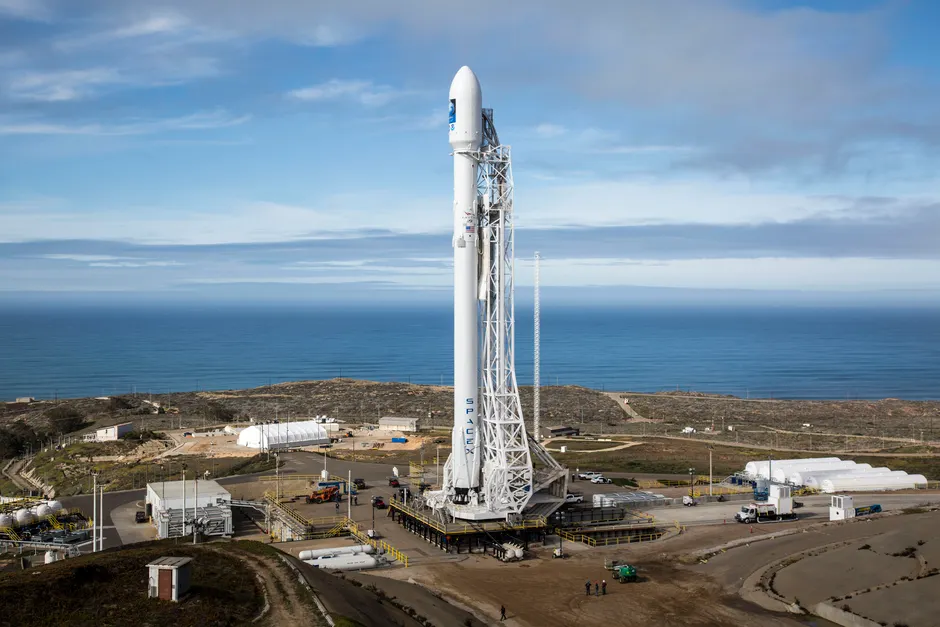
The Federal Communications Commission has authorized SpaceX to deploy up to one million satellites carrying AI chips as part of its Starmind initiative. The agency, which licenses satellites and radio spectrum in the United States, announced the decision on Wednesday, November 25, 2026, according to The Verge.
The authorization carries two deployment milestones. The FCC requires SpaceX to put at least one Starmind satellite in orbit by 2033, and to reach the one-million-satellite milestone by 2040. The ceiling and the schedule are separate conditions. The license permits up to one million units, and the 2040 requirement is the date by which that figure must be met.
According to the same report, this is the first approval the FCC has granted for a full constellation of AI satellites. It is a constellation-scale grant, not a test authorization for a handful of spacecraft.
The agency did not approve everything SpaceX requested. The FCC deferred the company's request to dispose of satellites above 600 km by moving them into graveyard orbits, which are parking orbits away from active spacecraft. The alternative was letting them burn up in Earth's atmosphere. The commission cited insufficient information about SpaceX's disposal plans. The deferral leaves end-of-life handling for satellites in that altitude band unresolved in the authorization.
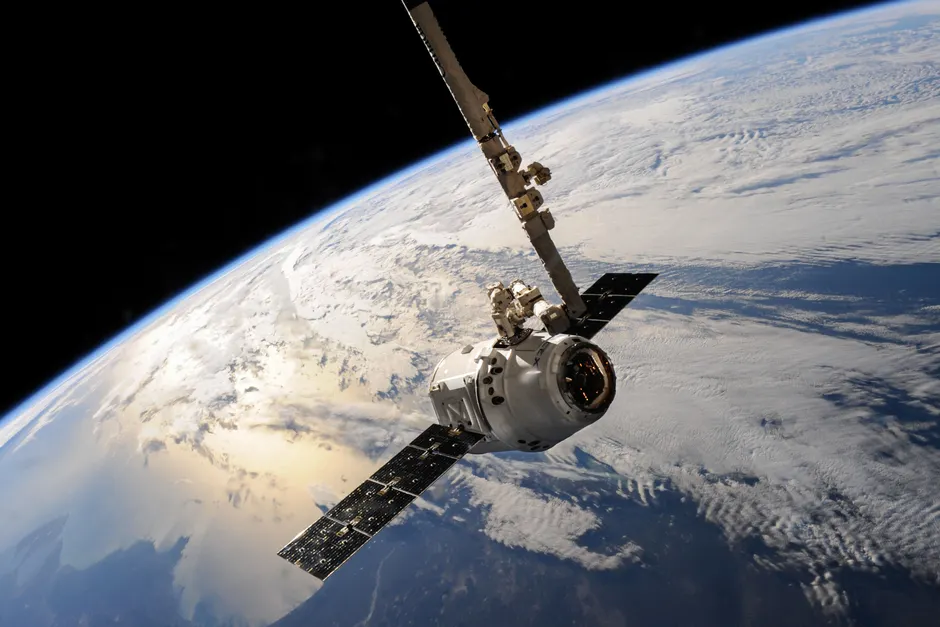
SpaceX describes Starmind as a way to capture solar energy in space and use it to power AI capabilities on Earth. The company plans to send data back to the ground over high-speed lasers that connect to Starlink, its existing low-Earth-orbit broadband network. SpaceX also plans to produce the chips for the Starmind satellites at a Terafab facility that has not yet been built. The chip supply chain, the optical downlink and the power generation are each described as plans. None has been demonstrated at constellation scale.
A separate orbital project is also on the calendar. Blue Origin will carry out the first dedicated heavy-lift launch, a flight by a rocket built for very large payloads, for Google's Project Suncatcher in 2029. The two programs should be read as distinct efforts that share a broader interest in placing computing hardware in orbit.
The broader context here is the gap between the license and the hardware. A million satellites is now a number the FCC has permitted, but the first mandatory milestone is seven years away and the full build-out is fifteen years away. Between those dates, the questions the commission deferred will move from filings to hardware. Disposal of satellites above 600 km, the reliability of laser links to Starlink, and the manufacturing throughput of a chip facility still in planning are all open items.
In my view, the most useful way to read the announcement is as a schedule with conditions attached. The approval sets a regulatory path for an orbital AI compute layer and sets dates by which SpaceX must show progress. Whether the power, optics and chip production work at the scale described will be answered in the coming years. The FCC's deferral suggests the agency intends to keep the disposal question open until the company supplies more detail.
If the architecture works as described, the AI industry would gain a new source of compute that draws on solar power in orbit rather than on terrestrial grid capacity. That is a significant "if." Readers should weigh it against the milestones, the deferred items and the unbuilt facilities that the approval depends on.