A Month With the iPhone Duo: What a Foldable Changes in Daily Use

TechCrunch has published a first-person review in which its reviewer says a month of using the iPhone Duo has changed how they use a phone. The piece went up on November 26, 2026. The reviewer used the device as their main phone for just under a month before publishing.
By late November 2026, the reviewer reports, most apps had been optimized for the iPhone Duo. That matters for a foldable. The unfolded canvas is larger than a conventional handset screen, and apps built only for the folded form would leave much of that space unused.
According to the review, an update shipped before November 26, 2026 added a face unlock feature. TechCrunch notes that this is not Face ID. The iPhone Duo uses Touch ID, its fingerprint sensor, and has no Face ID. The reviewer had to readjust to fingerprint authentication after a long stretch on a Face ID device.
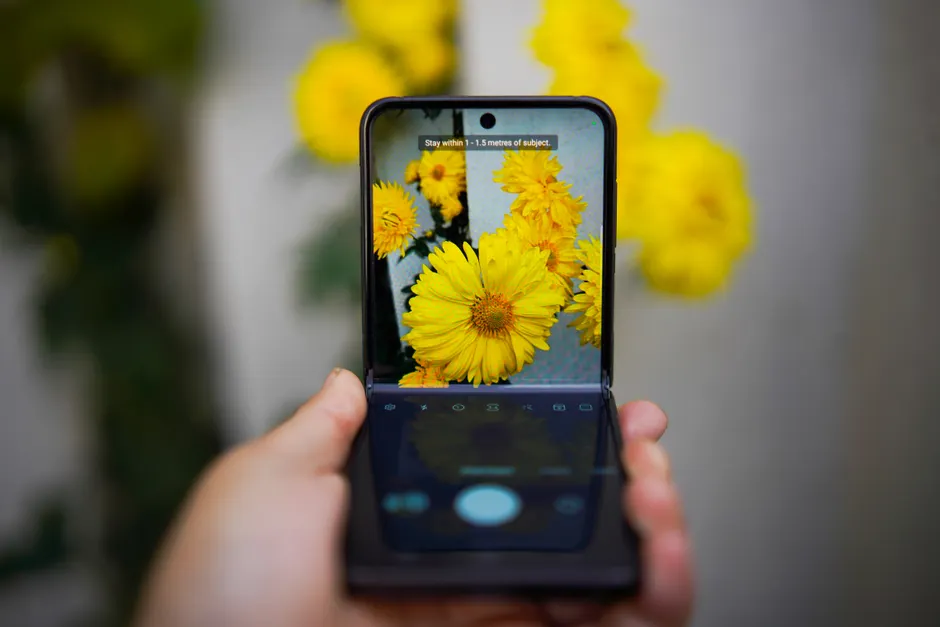
Multitasking works by dragging an app to the left or right side of the unfolded screen and dropping it into a target box, which places two apps side by side. The folded device, by the reviewer's account, feels about as small as an iPhone mini. It can be operated one-handed with a thumb and fits in both front and back pockets despite its weight.
The iPhone Duo combines two usage modes on one device. Folded, it behaves like a compact handset. Unfolded, it offers a split-screen workspace that a conventional phone cannot provide. The review suggests the value sits in moving between those modes, and in the reviewer's adjustment to the change.
Authentication deserves a closer look from anyone evaluating the device for managed or security-sensitive use. Biometric unlock checks a physical trait, such as a face or a fingerprint, and a face unlock that is explicitly not Face ID runs a different path from the one many users know. Touch ID remains the primary fingerprint mechanism, and the review describes a period of relearning it. Buyers in that position would need to establish how the face unlock path is scoped and how it relates to Touch ID, rather than assuming the Face ID threat model carries over.
In my view, the most useful question for anyone weighing the iPhone Duo is not whether a foldable is a better phone in the abstract, but whether the unfolded workflow fits how they already use their devices. The reviewer's month suggests that for someone who regularly runs two apps at once, the dual-mode design can replace a second device for certain tasks. For someone who mainly wants a small phone, the folded form may be the whole point. A reviewer who switched their daily phone for a month and reports changed habits offers a picture of adoption that a spec sheet does not.
What this enables is a phone that fits in a pocket and doubles as a workspace without a separate tablet. Whether the app ecosystem, the authentication options and the folded ergonomics hold up over longer ownership is a question one month of use cannot fully settle.