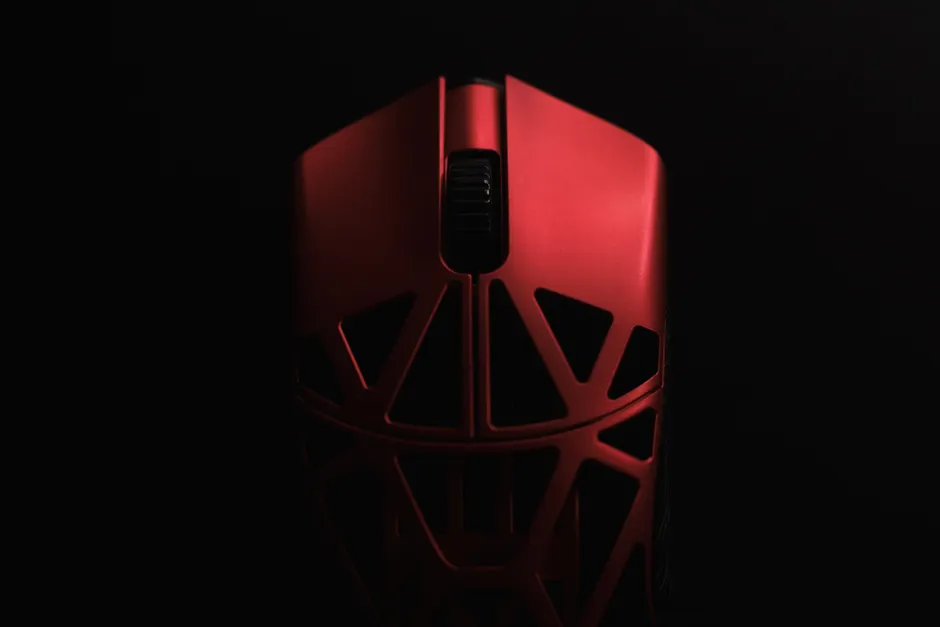
Keychron G6 HE: a $90 gaming mouse with magnetic and optical switches

Keychron has announced the G6 HE, a $90 gaming mouse whose switches the company calls MagOptic. According to The Verge's hands-on impressions, each MagOptic switch combines magnetic Hall effect sensing with optical sensing, which places the G6 HE in the same sensing category as a growing number of high-end gaming peripherals.
A Hall effect switch works out the position of its actuator by measuring changes in a magnetic field, rather than waiting for two contacts to meet at a fixed point. Because the position is read continuously, the switch can register how far a button has travelled, which is what makes adjustable actuation points possible. The G6 HE's switches can be tuned through a browser-based app.
The mouse weighs 49g with its battery installed and 40g in wired mode with the battery removed. It comes in frosted lavender, frosted black, pink and mint.
The most notable omission is haptics, the vibration motor that simulates a click. Keychron cofounder Fab Chan said the G6 HE leaves out haptic feedback because many users prefer a traditional click feel, and a haptic motor adds weight. The company prioritized a lighter design. Keychron also plans a mouse with haptic feedback that will be slightly heavier than the G6 HE. That product is still a plan, and no shipping date or price has been given.
The comparison point is Logitech's Superstrike line. The Logitech G Pro X2 Superstrike costs $180. It also uses magnetic Hall effect switches with user-adjustable click depth, and pairs them with haptic vibrations designed to mimic a physical click. The X2 Superstrike weighs 60g, while the newer X3 Superstrike weighs 59g. At 49g with its battery, the G6 HE is lighter than both.
In my view, the two designs answer the same question in opposite ways. Logitech keeps the switch tunable and adds a motor to simulate the click, accepting the extra weight. Keychron removes the motor, accepting a less simulated click in exchange for lower mass and a $90 price. Neither approach is objectively correct. The right choice depends on whether a player values a simulated tactile response or a lighter, more direct feel, and Keychron's comment that many users prefer a traditional click suggests the company is betting on the second group.
The broader context here is the spread of magnetic sensing into mainstream peripherals. Hall effect switching has moved from premium keyboards and specialist mice into products priced well below the flagship tier, and the G6 HE's pairing of optical and magnetic sensing shows how manufacturers are layering sensing methods. For buyers, the practical result is more choice at a lower price. For the category, the open question is whether haptic feedback becomes standard or remains an option some players seek out. Keychron's planned haptic model should help answer that once it reaches market.