Blackwell Chips Turn Up at a Shanghai Data Center Tied to Alice Huang
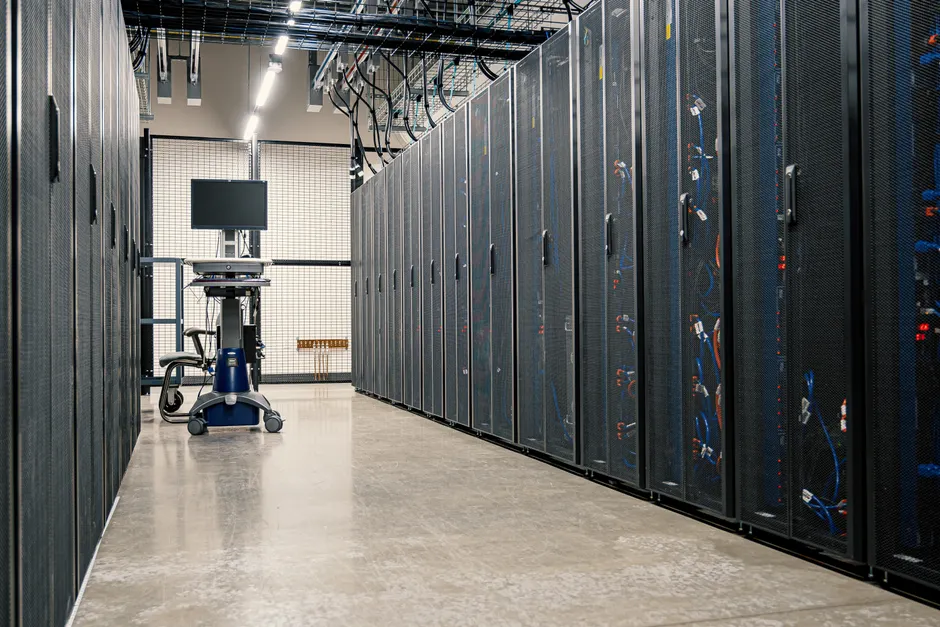
Bloomberg reported on 27 November 2026 that it had found evidence linking a data center in China that contains NVIDIA Blackwell hardware to Alice Huang. The facility is the Yangtze River Delta Project in Shanghai. Documents that two firms submitted to Chinese regulators mention GB300 NVL72 and GB200 server racks at the site, according to Bloomberg's original report.
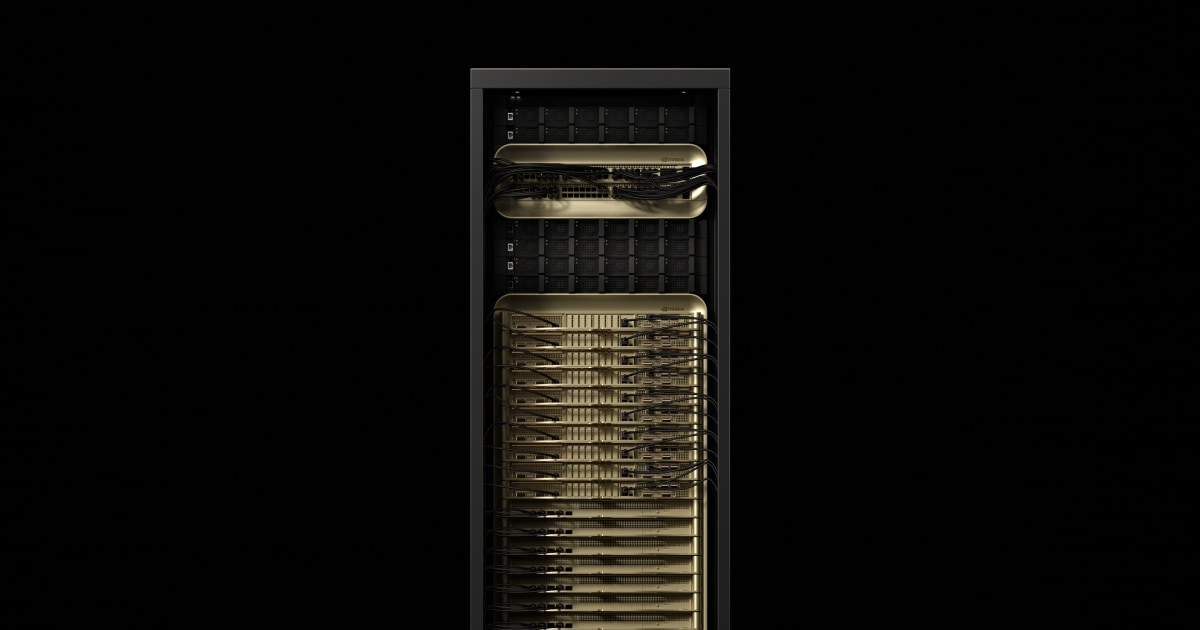
The GB300 NVL72 is a rack-scale system, meaning the rack works as one integrated machine rather than a collection of separate servers. A single unit houses 72 Blackwell Ultra GPUs (the accelerators used for AI training and inference) and 36 NVIDIA Grace CPUs, and weighs about 3,300 pounds, according to NVIDIA's product page. US export rules require a license to ship Blackwell systems to China.
Bloomberg traced the lineage of one GB300 server rack to Taiwan's Gigabyte Technology by entering the rack's serial number into a public warranty database.
Shanghai Shuoyao listed a GB300 NVL72 rack as collateral to secure an approximately $14 million loan from Shanghai Innovation Bank. The company said it was one of Megaspeed's service providers and described the relationship as limited to ordinary commercial cooperation.
Alice Huang took a controlling stake in Megaspeed, a Singaporean cloud computing company, in 2023 and left the company in August 2025. In a 2024 investor presentation, Megaspeed used renderings of the Yangtze River Delta Project, and that presentation did not list China as the data center's location. The US Justice Department is investigating whether Megaspeed broke US export rules.
Kang Wei, who is often introduced as Alice Huang's husband, is listed as president of the Yangtze River Delta facility.
The broader context here is the gap between corporate structure and physical hardware. The operator of record is in Singapore, the service provider is in Shanghai, the server rack traces back to a Taiwanese manufacturer, and the financing rests on the rack itself as collateral. Export controls on Blackwell-class systems depend on who ultimately controls and operates the equipment, so each link carries weight in the question the Justice Department is examining.
In my view, serialized, warrantied hardware leaves a trail that a reporter can follow from a public database to a loan document, and that trail is what makes questions about end use answerable at all. Operators of such facilities should also expect their hardware to be traceable by people outside their own organizations.