US agency reports no rise in lead in Iowa water after army detonation

The US Environmental Protection Agency (EPA) said initial laboratory results indicate that a controlled detonation in southeast Iowa has not caused a rise in lead levels in the bodies of water that supply local drinking water. The agency posted its readings online on Saturday, three days after the blast, according to Al Jazeera.
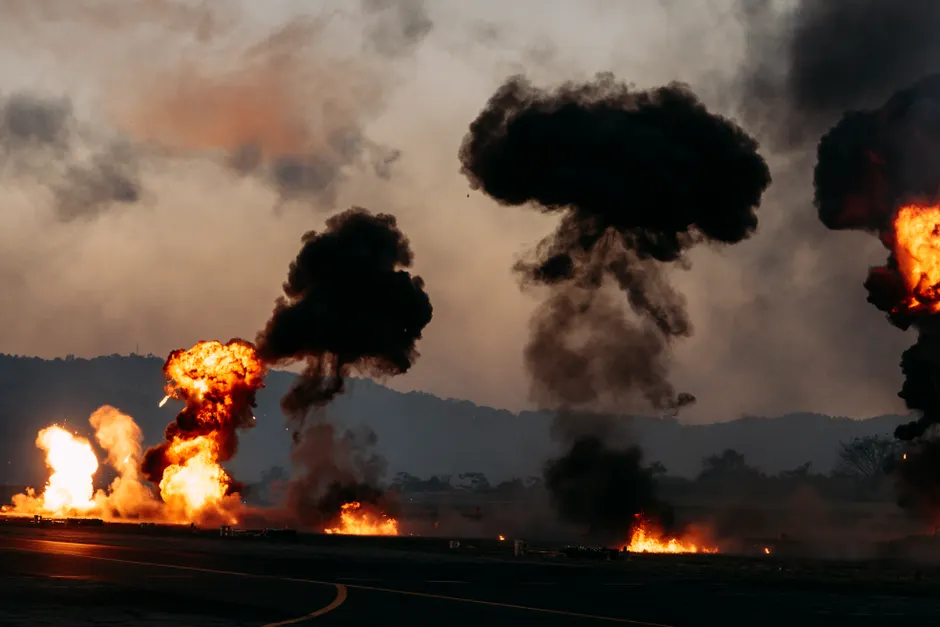
The detonation took place at an army munitions depot in Middletown, Iowa, about 150 miles (241 km) southwest of Des Moines. Army engineers destroyed nearly five tonnes (4,500 kg) of lead azide, a highly volatile explosive, in two simultaneous explosions. The material had been stored in 68 plastic drums that were deteriorating.
Army commanders said an immediate detonation was the safest option. They argued that the stockpile was degrading and could explode at any time as the weather grew colder.
Before and after the blast, teams gathered samples across the region. About 300 people spent Thursday sampling at schools, playgrounds, churches and homes. More than 1,500 samples of air, water, soil and dust were taken before the detonation, with hundreds more collected afterwards.
The EPA also monitored the air for airborne lead for 30 consecutive hours after the detonation, using the Xact air monitoring system.
The agency said it will publish further updates as laboratory results for more than 3,200 air, soil, dust and water samples come back and are validated, meaning checked for quality.