Apple Maps Becomes Ford's Built-In Navigation System for Upcoming Electric Vehicles

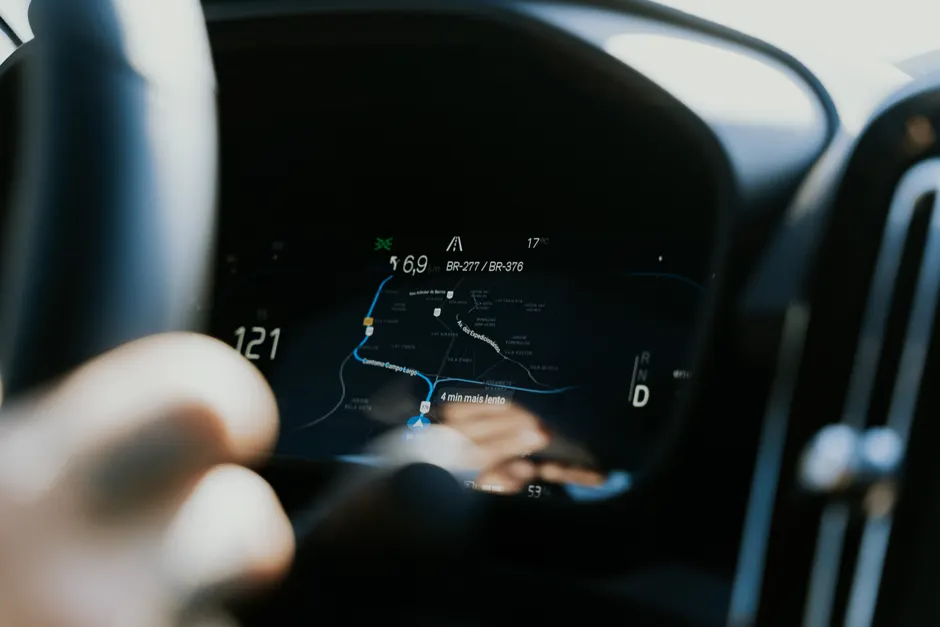
Apple Maps will serve as the official navigation system for Ford's upcoming electric vehicles, under a partnership announced July 23, 2026. The integration runs directly on Ford's Universal Electric Vehicle (UEV) platform, with Apple's mapping and routing rendered on the vehicle's built-in displays rather than projected from a paired iPhone (Apple Newsroom, Engadget).
The technical bridge is Apple's MapKit for Automotive SDK, a set of software tools that allows automakers to embed Apple Maps directly into vehicle infotainment and instrument-cluster systems (Engadget). Ford is the first automaker to adopt these developer tools, according to TechCrunch. The Apple Newsroom post carrying the announcement was categorized as an "UPDATE" rather than a full press release, which may suggest Apple is positioning this as an incremental platform expansion rather than a flagship product launch.
On the feature side, the Ford UEV integration will offer natural language directions, real-time traffic reports, accident information, and multiple routing options — functionality broadly consistent with what Apple Maps already delivers on iOS and CarPlay, but now running as embedded software within Ford's vehicle stack rather than as a phone-projected experience (Apple Newsroom).
Beyond turn-by-turn navigation, Apple Maps road-level data will feed into Ford's next-generation BlueCruise hands-free driver assistance system (TechCrunch). Ford will use that data to further develop BlueCruise, its Level 2 hands-free highway driving system — meaning the car can steer, accelerate, and brake on highways with the driver still responsible for monitoring the road (Engadget). Apple classifies this as its first collaboration that supports self-driving technology (Engadget) — a notable line for a company that disbanded its own autonomous vehicle project after years of internal development.
The vehicles in question are aimed at the affordable end of the EV market. Ford's UEV platform is set to power a lineup of lower-cost electric vehicles, starting with a midsize pickup truck priced around $30,000 and due in 2027 (Engadget). Ford has stated its upcoming EVs will be cheaper than a three-year-old used Tesla Model Y (Engadget).
According to The New York Times, other automakers may follow Ford's lead in adopting Apple Maps software for vehicle navigation. If that materializes, Apple's mapping infrastructure could become a cross-OEM platform layer in automotive software stacks, a space where Google has already established a foothold through Android Automotive OS partnerships with Volvo, Polestar, Honda, and others.
The Ford deal positions Apple Maps not as a consumer app competing for dashboard screen space, but as a licensed mapping SDK embedded at the platform level. That is a fundamentally different business model from CarPlay, which mirrors an iPhone's interface onto a vehicle display. With MapKit for Automotive, Apple's map data, routing engine, and points-of-interest database become a component of the vehicle's own software architecture — closer to how Google's Automotive Services bundle is licensed to automakers than to how CarPlay operates.
The BlueCruise data integration adds a second dimension. High-definition road data is a critical input for hands-free driving systems, and Ford is choosing Apple's data pipeline over alternatives from HERE, TomTom, or Google. That choice ties the evolution of Ford's driver assistance capabilities to the quality and coverage of Apple's road-level data, which Apple has been investing in since it began rebuilding Maps from its own first-party data collection starting around 2018.
The broader context here is that Apple's decision to label this announcement an "UPDATE" rather than a full press release is a deliberate signal worth noting. Apple typically reserves full press releases for product launches or strategic milestones it wants maximum coverage on. An "UPDATE" designation suggests Apple views the Ford partnership as an incremental expansion of an existing platform initiative rather than a new strategic direction. Whether that framing holds up may depend on whether other automakers adopt MapKit for Automotive at scale.
The vehicles themselves remain on a 2027 timeline, and BlueCruise development using Apple's road-level data is presumably already underway. The market will not see the results of this integration for at least a year. What it signals now is that Apple is willing to license its mapping stack to automakers as embedded software, that Ford sees strategic value in Apple's road data for its driver assistance roadmap, and that the contest over which company's mapping infrastructure underpins the next generation of vehicle software is intensifying.