India's Education Minister Standoff: Why Neither Side Is Backing Down

On July 24, 2026, the Cockroach Janta Party (CJP) met with Union Education Minister Dharmendra Pradhan and restated its demand for his resignation, calling the requirement "non-negotiable." The move came just forty-eight hours after Prime Minister Narendra Modi publicly declined to dismiss Pradhan amid nationwide protests targeting the education ministry. The sequence is straightforward: a direct refusal from the Prime Minister, followed immediately by a hardening of the opposing party's stance.
To understand the friction, the timeline matters. On July 22, Al Jazeera reported that Modi refused to sack Pradhan amid protests across the country. Two days later, The Hindu reported that the CJP met with Pradhan in person and reiterated its call for his resignation during a July 24 protest, classifying the demand as "non-negotiable."
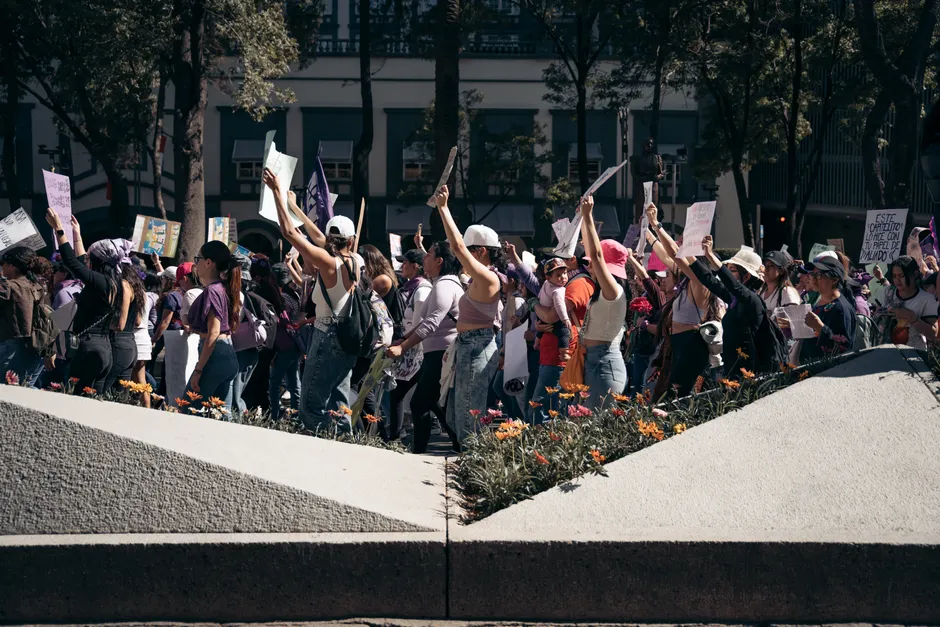
The confrontation is playing out on two fronts. The nationwide protests provide street-level momentum for the demand to dismiss the minister. At the same time, the CJP's direct meeting with Pradhan and its public restatement of the "non-negotiable" demand represent an institutional pressure track — a formal, channelled challenge aimed at the minister himself. Think of it as a pincer movement: public demonstrations on one side, direct political confrontation on the other.
By keeping the focus on Pradhan's resignation rather than on broader education policy reform, the CJP is concentrating pressure on a single point of accountability. This tactic forces the Prime Minister into what amounts to a binary choice: protect a cabinet member or meet the opposition's specific demand. It shifts the conversation from "what should education policy look like" to "who is responsible."
For Modi's administration, the refusal to dismiss Pradhan fits a documented pattern. Al Jazeera's reporting places the decision within a broader framework in which the Prime Minister has retained ministers facing public and political opposition before. The apparent logic: removing a minister under protest pressure could signal weakness, while holding firm projects stability and executive authority.
The broader context here is that this approach carries political risk. Sustained protests could turn what is now a dispute over one minister's tenure into a wider referendum on whether the government listens to public pressure. The calculation appears to be that the cost of keeping Pradhan is lower than the institutional cost of appearing to give in to protest demands.
The CJP's decision to label its demand "non-negotiable" raises the stakes for any future negotiation. By publicly framing the resignation as a precondition rather than one item on a list of grievances, the party has narrowed its own room to compromise. This is a high-risk, high-reward posture. If the government capitulates, the CJP wins a clear victory. If it does not, the party must either escalate further or find a way to step back from a demand it has declared non-negotiable — no easy political exit.
For the education ministry itself, the immediate consequence is a leadership operating under sustained political pressure. With the Prime Minister publicly backing him, Pradhan retains the authority to govern. But the protests and the CJP's direct challenge consume attention and political bandwidth. There is also a risk that the focus on Pradhan personally overshadows the policy controversies that ignited the protests in the first place, shifting the debate from substantive reform to a personnel dispute.
The trajectory of this confrontation will depend on two factors: the staying power of the nationwide protests and the CJP's capacity to maintain political pressure without fatigue. Modi's pattern of resisting opposition demands for dismissals suggests the executive will continue to hold the line. If the protests wane, the CJP's demand loses weight, leaving the party isolated in its maximalist position. If they intensify, the Prime Minister's cost-benefit analysis regarding Pradhan may shift. Both sides have limited room for compromise, which makes this a test of political endurance above all else.