The Fed's July Meeting: What to Expect Under Chair Warsh
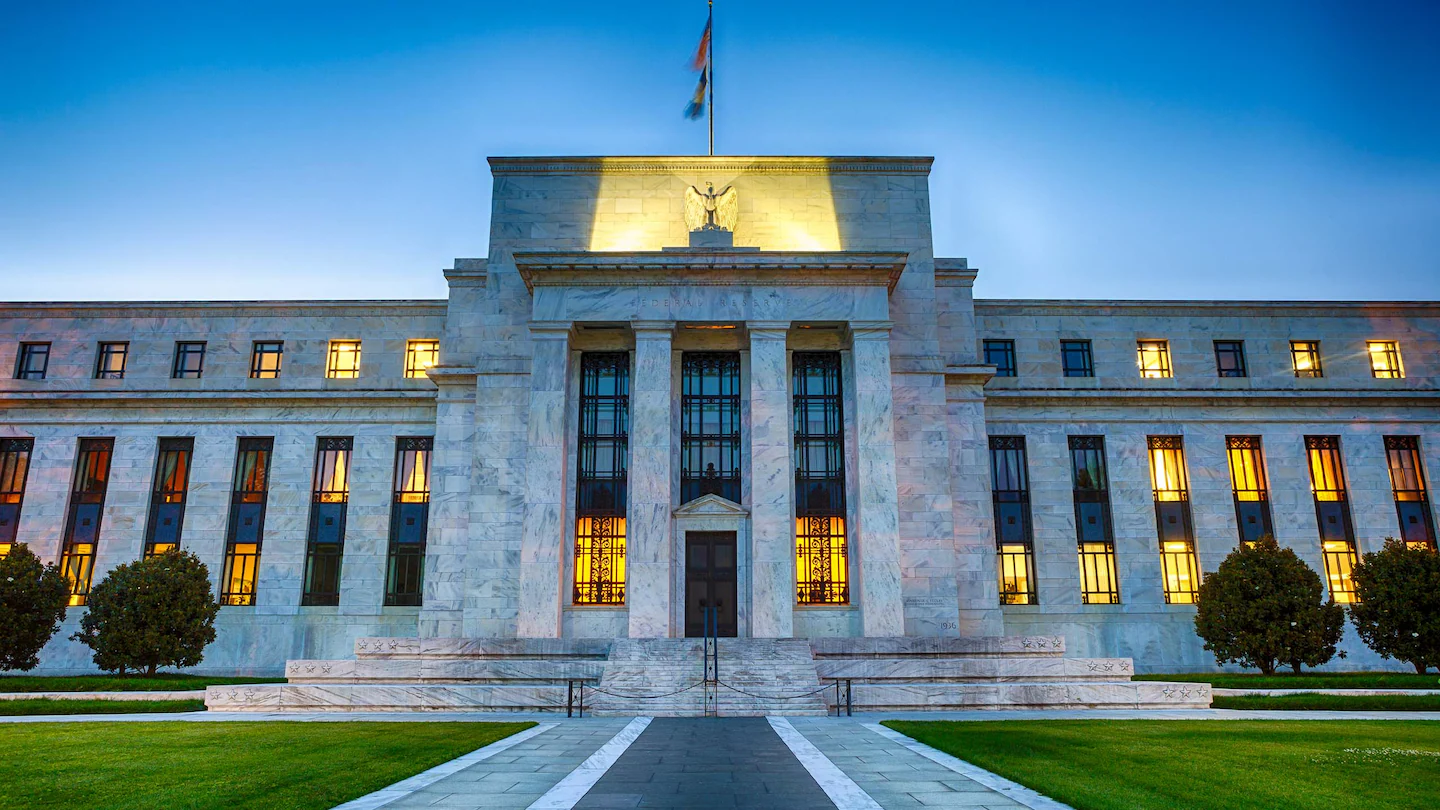
The Federal Open Market Committee meets July 28–29, 2026, with a press conference at 2:30 p.m. ET on July 29. Markets widely expect the committee to keep the federal funds rate at 3.50–3.75%, the range that has held throughout 2026 (Investopedia). The federal funds rate is the overnight interest rate banks charge each other for loans; it serves as the Fed's main lever for steering the economy.
This is Kevin Warsh's second FOMC meeting as chair. The Senate confirmed him 54–45 on May 13, 2026, and he took the oath of office on May 22 (The Guardian; Federal Reserve). Warsh serves a four-year term as chair and simultaneously as a member of the Board of Governors. President Trump nominated him on or around January 30, 2026 (BBC). Warsh previously served as a Fed governor earlier in his career, giving him prior FOMC experience despite the changed policy environment.
At his first meeting as chair, the FOMC voted unanimously to leave the benchmark rate unchanged at 3.50–3.75%. Warsh also dropped forward guidance at that meeting, a notable departure from the practice of signaling the likely path of future rate moves (Fox Business). Forward guidance is essentially the Fed telling markets what it expects to do next; removing it means investors have less of a roadmap. The June 2026 meeting minutes, published July 8, confirmed a unanimous vote to maintain the interest rate paid on reserve balances at 3.65 percent, effective June 18 (Federal Reserve). The IORB — the rate the Fed pays banks on funds held at the central bank — has held at that level consistently, and the federal funds rate has not moved in 2026 (CNBC.
The rate hold persists against a backdrop of renewed inflation pressure. A jump in energy prices has fueled a 2026 inflation uptick, complicating the easing path that financial markets had expected coming into the year (Morningstar). Warsh himself stated publicly that inflation is "too high" in remarks on or around July 1, though he declined to hint at the July rate decision during those same remarks (Chase).
The broader context here is that the combination of Warsh's "too high" inflation language and his decision to drop forward guidance creates a distinctive setup for July 29. Without explicit rate-path signaling, the press conference becomes the primary venue for parsing the committee's reaction function — meaning, how the Fed responds to new economic data. Traders and analysts will be listening for whether Warsh frames the energy-driven inflation pickup as transitory or persistent, and whether he signals any openness to easing before year-end.
The unanimous committee votes at both prior 2026 meetings suggest internal consensus on the hold. But consensus on holding is not consensus on the terminal path — the endpoint where rates ultimately settle. The June minutes and Warsh's public remarks both emphasized inflation concerns; whether that emphasis intensifies or moderates with any new data will shape the message. With forward guidance dropped, the market's rate expectations will be set less by Fed promises and more by the tone Warsh strikes at the podium.
The larger question is whether the inflation narrative Warsh inherits matches the one the market has already priced in. Coming into 2026, rate cuts were expected. Those expectations have been repeatedly deferred. Each hold without an explicit easing signal pushes the anticipated cut timeline further out, with implications for duration positioning (how investors bet on longer-term bonds), frontend rates (short-term borrowing costs), and the dollar. The July 29 press conference is the next data point in that calibration.