The Buzz Centris 2: How a Folding E-Bike Tackles Urban Commuting

The Buzz Centris 2: How a Folding E-Bike Tackles Urban Commuting
Buzz Bicycles has released the Centris 2 folding e-bike, a device designed to bridge the gap between casual cycling and practical daily commuting. It combines a compact aluminum frame that folds up for storage with 4-inch fat tires—oversized wheels that can handle rough surfaces. The bike uses a 500-watt motor to reach speeds of up to 20 mph and promises a range of up to 40 miles per charge.
Safety Standards That Matter
The Centris 2's electrical system meets two important safety certifications: UL 2849 and UL 2271. UL 2849 covers the e-bike's electrical components, while UL 2271 focuses specifically on lithium-ion battery safety. These standards have become essential in the U.S. e-bike market after several high-profile battery fires raised consumer concerns about fire risk in electric devices stored at home or in offices.
The bike ships with an LCD display that requires users to read the manual before first use. This reflects a broader industry shift toward user education as e-bikes become more common among people who aren't experienced cyclists. Customer support runs through Huffy Bikes' established service network (1-800-872-2453), meaning the Centris 2 has corporate backing beyond the Buzz brand itself.
Design Choices: Folding, Tires, and Practicality
The Centris 2's design reveals a focus on solving real urban mobility problems. The folding frame handles storage constraints that apartment dwellers and office workers face—you can fold it and take it on the bus or store it in a closet. The 4-inch fat tires extend usability beyond smooth pavement to gravel paths, unpaved alleys, and rough urban terrain.
The 20-inch wheels represent a deliberate trade-off. Smaller wheels mean the bike folds more compactly, but they still deliver reasonable rolling efficiency and allow the folding mechanism to work reliably. This wheel size has become the standard in the folding e-bike market.
The 500-watt motor falls into the mainstream power bracket for what the U.S. classifies as a "Class 2" e-bike. Federal regulations limit assisted speed to 20 mph at this class level, which makes the motor powerful enough to climb hills and carry cargo without triggering licensing or insurance requirements that kick in at higher performance levels.
Why Corporate Backing Matters
The Centris 2 operates within Huffy Bikes' established supply chain and service network rather than as an independent startup brand. This matters practically: you can find parts, get repairs, and access customer support through a company that has been in the bicycle business for decades. Smaller e-bike brands often struggle with this—they may build great products but lack the infrastructure to service them years later.
The warranty terms reflect standard industry practice: coverage is voided for competitive racing, stunt riding, jumping, motor modifications, use by multiple riders, or transfer to a new owner. These restrictions protect manufacturers from liability when bikes are used in ways that exceed their design limits.
Motor and Range: What You Actually Need to Know
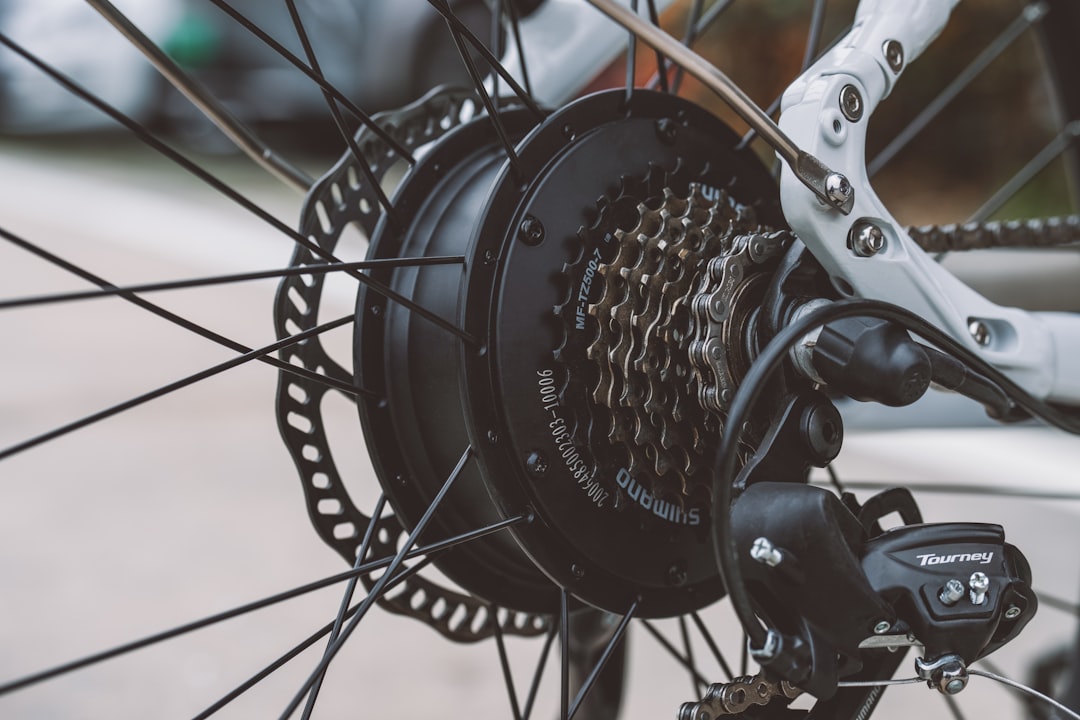
The rear hub motor—the electric motor sits in the rear wheel—centralizes the bike's weight and requires less maintenance than mid-drive motors (which sit near the pedals). The advertised 40-mile range targets everyday commuting scenarios without needing to charge at work. That said, real-world range varies significantly based on your weight, terrain, how much you use the motor's assistance, and weather. Manufacturer range claims tend to be optimistic.
The fat tires address a genuine barrier to urban cycling: surface versatility. Standard bike tires work fine on smooth pavement but struggle with the mixed surfaces you encounter in cities—rough patches, unpaved paths, seasonal gravel. The 4-inch width provides more contact with the ground and extra cushioning, though it does increase rolling resistance and the bike's overall weight.
The Bigger Picture: E-Bikes Are Growing Up
The broader context here is that the folding e-bike market is maturing. We have seen this pattern before, when smartphones evolved from breakthrough devices into established product categories. Once a technology matures, innovation shifts from fundamental breakthroughs to refinements: better battery life, cleaner design, improved reliability. The Centris 2 fits this pattern. It combines proven features—folding frame, fat tires, certified safety systems, corporate support—into a solid, practical package. It is not revolutionary, but it executes a proven formula well.
The choice of Gloss White finish suggests this bike is aimed at individual buyers rather than bike-sharing companies or commercial fleets, which typically favor darker colors for durability and easier maintenance.
Safety, Regulations, and Real Concerns
The emphasis on UL certification addresses genuine safety risks. Lithium-ion batteries can catch fire if they overheat or are damaged, and when these fires happen in e-bikes stored indoors—apartments, garages, offices—they create serious fire and property hazards. The certification standards ensure both the battery itself and how the bike's electrical system manages that battery meet rigorous safety testing.
The Class 2 designation also carries practical advantages. Higher-class e-bikes (faster or more powerful) face restrictions on where you can ride: many cities ban them from bike lanes, parks, and trails. By staying at 20 mph, the Centris 2 gets access to the widest range of urban infrastructure, making it genuinely more useful for city commuting.
The requirement to review the display manual before first use reflects a shift across the industry. As e-bikes move beyond experienced cyclists to everyday commuters, manufacturers are realizing that people need clear guidance on how to operate electric vehicles safely.
What This Tells Us About the Market
In my view, the Centris 2 illustrates where the e-bike market has arrived: safety certification, reliable manufacturer support, and thoughtful feature combinations have become the real differentiators. Breakthrough technology and dramatic price cuts matter less now than execution and trust. It is the kind of solid, practical product that shows a market has matured.
For cities and urban planners, e-bikes like the Centris 2 signal that folding models are moving toward mainstream adoption. This has real implications for how cities design parking, integrate bikes with buses and trains, and plan infrastructure for mixed-use transportation.