Meta Backtracks on Subscription Limits for Ray-Ban Smart Glasses AI Feature After Tester Pushback
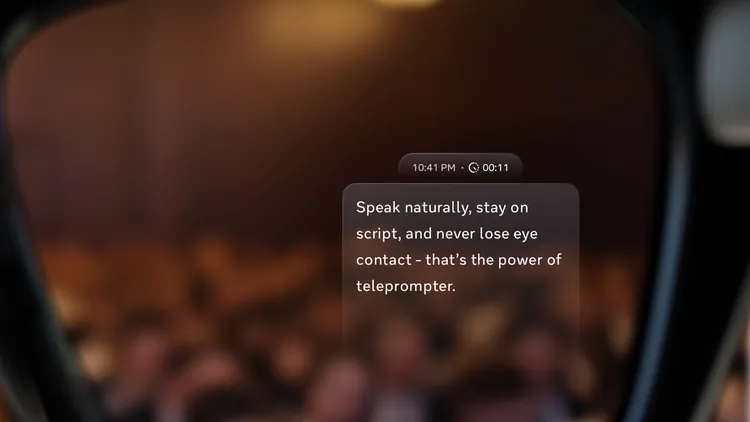
Meta has removed usage limits on Conversation Focus, an AI feature for its Ray-Ban Meta smart glasses, after early testers objected to a subscription model that capped free use at three hours per month.
Conversation Focus uses AI to boost the voice of whoever is speaking directly to the glasses wearer, making it easier to follow conversations in noisy places. The feature works through the glasses' built-in speakers and, as tested by The Verge, processes audio on the device itself — meaning it does not require an internet connection to function. Meta first showed the feature at its Connect conference.
The rate limits Meta introduced capped free Conversation Focus use at three hours per month. Beyond that, users would have needed a $20-per-month Meta One Premium Plan, which itself carried a 15-hour monthly cap. The structure effectively put a paywall around a feature that, from a technical standpoint, runs entirely on the glasses — no cloud servers doing the heavy lifting, no per-use compute cost going back to Meta.
Meta spokesperson Tyler Yee confirmed the reversal. "We heard the feedback so we're pausing its subscription tests for now," Yee said. Conversation Focus will remain available for free through Meta's Early Access Program for early testers. Yee also indicated the company is "still exploring all our options for the best approach" for the feature's long-term monetization, while noting that "some premium features will be subscription-based over time."
One practical limitation: Conversation Focus pauses if another glasses feature needs the microphones, such as during a phone call or video recording. The feature shares hardware resources with other functions, which may factor into how Meta ultimately prices or packages it.
The broader context here is a recurring tension in AI-powered consumer hardware. When the AI processing happens on the device itself (known as on-device or local inference), the cost per user session is effectively zero — there is no rented cloud GPU computing the result and billing Meta for the privilege. The Conversation Focus case is instructive because the feature plainly runs on-device, which made the three-hour monthly cap hard to justify on cost grounds. Users responded accordingly.
Meta's phrasing leaves the door open. The pause applies specifically to subscription tests, not to the broader idea of charging for AI glasses features. Yee's acknowledgment that premium features will eventually move to subscriptions signals that the company's strategy is deferred rather than dropped. The question is what model Meta settles on, and whether it can align pricing with the actual cost structure of on-device processing.
For now, early testers keep unrestricted access to a feature that ranks among the more practical uses of AI on wearables: real-time audio processing that helps people hear better in difficult acoustic environments. That utility is concrete enough that the backlash was predictable. Meta's willingness to reverse course quickly suggests the company recognized the risk of alienating the Early Access group whose feedback shapes the product's direction.