Iran Accuses Ukraine of Attacking Its Ship in the Caspian Sea: What's at Stake

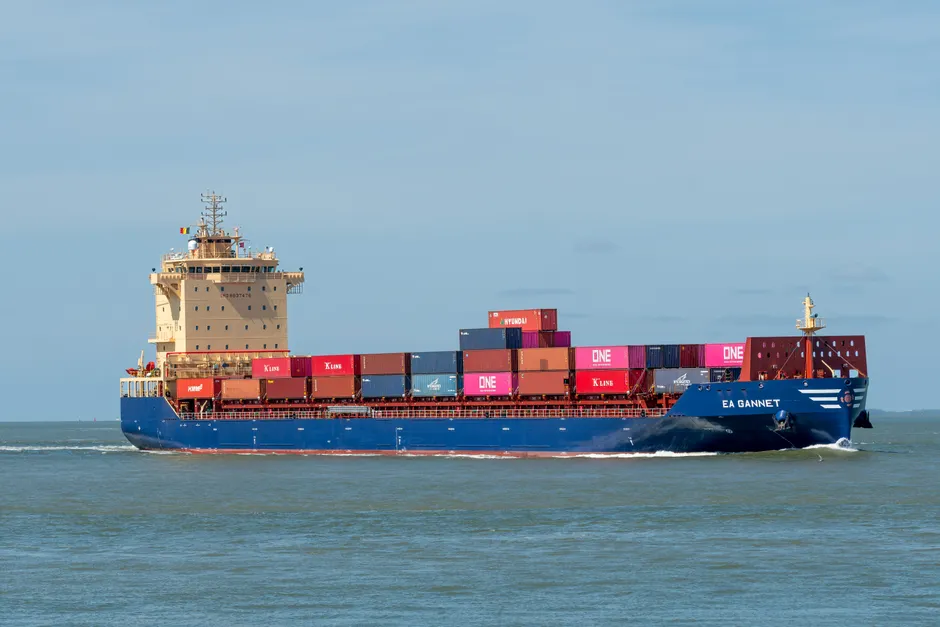
Iran's Foreign Ministry accused Ukraine on July 25, 2026, of launching a deadly strike on an Iranian commercial vessel in the Caspian Sea, killing one sailor and injuring another, according to Al Jazeera. Iran's state news agency IRNA reported the attack occurred early Saturday morning, July 25 (IRNA).
Tehran moved quickly through diplomatic channels. Iran summoned Ukraine's chargé d'affaires — the diplomat who represents Ukraine in Iran in the absence of a full ambassador — to deliver a formal protest, as reported by IRNA. The Foreign Ministry called the attack "hostile and criminal" and said it violated Article 2(4) of the United Nations Charter, which is the core provision that bars countries from using force against another state's territory or political independence. Iran also claimed Ukraine's leadership had acknowledged the attack.
Iranian Foreign Minister Abbas Araghchi raised the matter directly with EU foreign policy chief Kaja Kallas. He called for a firm response from the UN Security Council, the European Union, and the wider international community. The Financial Times reported that Iran's Foreign Ministry said the Ukrainian strike caused an explosion aboard the Iranian merchant vessel (Financial Times).
Ukrainian President Volodymyr Zelenskyy said on X that Ukraine had achieved "very strong results" with long-range strikes in the Caspian Sea. He said the strikes targeted "vessels used in military cargo shipments involving Iran, as well as a warship." He did not confirm whether the specific ship Iran named was among the targets.
The gap between these two accounts is the crux of the dispute. Iran says the ship was a commercial vessel; Ukraine says the vessels it struck were part of a military cargo supply chain. That distinction matters under international humanitarian law — the body of rules governing conduct during armed conflict. If the ship was purely commercial, striking it would be hard to justify. If it was carrying military cargo, Ukraine could argue it was a legitimate target. Neither side has released evidence to back up its version.
Iran's decision to invoke Article 2(4) of the UN Charter is a calculated legal move. By framing the attack as a breach of the international rules on the use of force rather than an isolated military engagement, Tehran is positioning the dispute for the UN Security Council, where it could seek formal condemnation of Ukraine. Whether the Council acts in any meaningful way is a separate question. Any substantive resolution would likely run into veto politics among the five permanent members, who are split in their sympathies toward the two sides.
The Caspian Sea itself complicates things further. It is bordered by Iran, Russia, Kazakhstan, Azerbaijan, and Turkmenistan, and is governed by a legal framework distinct from the rules that apply to open international waters. The 2018 Aktau Convention, agreed among those five littoral (coastline-bordering) states, shapes how the Caspian is managed. A strike by Ukraine — a country with no coastline on the Caspian — raises legal questions that this framework was not designed to handle. The fact that Ukraine carried out long-range strikes there at all shows an operational reach extending well beyond the Black Sea, where its naval and drone campaigns have been concentrated.
The broader context here is the Iran-Russia relationship during the war in Ukraine. Western governments have accused Iran of supplying Russia with Shahed drones — loitering munitions that circle an area before striking a target — used in attacks on Ukrainian infrastructure. Ukraine's description of the targeted vessels as being involved in "military cargo shipments involving Iran" fits that pattern of accusation. Tehran, for its part, is now casting itself not as a supplier but as a victim of Ukrainian military action against its flagged commercial assets. That framing could complicate Ukraine's standing with countries that have been cautious about taking sides but are attentive to legal norms around maritime commerce.
Araghchi's outreach to Kaja Kallas suggests Iran is also trying to use European diplomatic channels, not just the UN system. The EU has been one of Ukraine's most steadfast supporters throughout the war, which makes Iran's appeal to Brussels a long shot. But it puts the EU in a position where it must at least acknowledge the legal question Iran is raising, even if a substantive European response favorable to Tehran is unlikely.
The one confirmed death and one injury aboard the Iranian vessel mean this is not a near-miss or a provocation without consequences. One state has accused another of killing its nationals on a commercial ship in a body of water where the attacking state has no coastline. The legal, diplomatic, and operational fallout will depend on whether either side escalates further or whether this incident is absorbed into the already crowded ledger of unresolved grievances that defines this conflict.