Houthi Strikes on Saudi Oil Facilities Open a New Front in the US-Iran Conflict

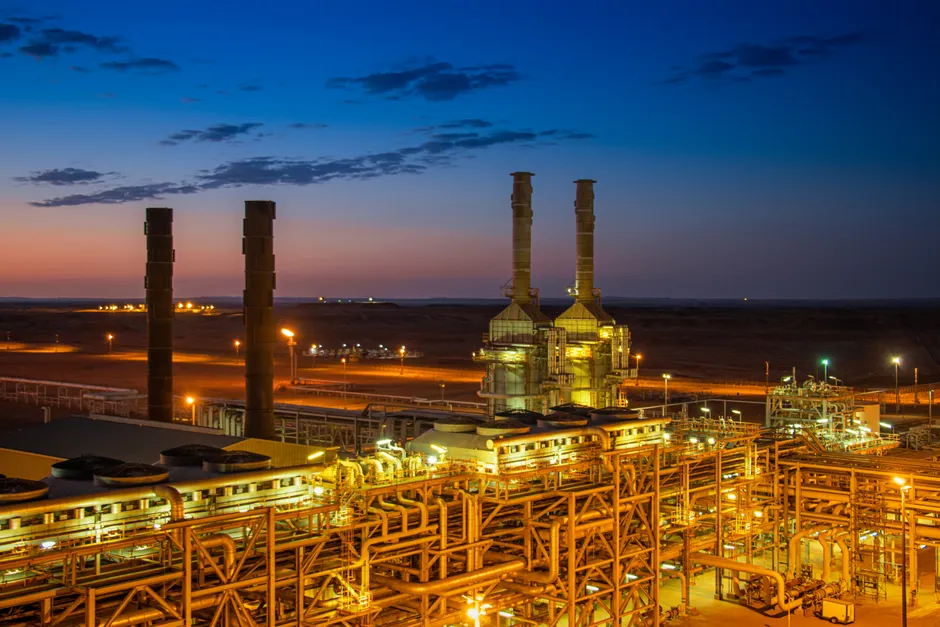
Houthi forces attacked two Saudi Aramco oil facilities in Jizan and Yanbu on July 26, 2026, using missiles and drones, according to Houthi military spokesman Yahya Saree (Al Jazeera). In Yanbu, a Greek-operated Patriot missile defense battery intercepted two ballistic missiles aimed at oil installations, operating under a defense agreement with Riyadh. Saudi Arabia has not commented on the extent of damage to the Jizan refinery, though a large column of smoke was observed rising from the site after the attack.
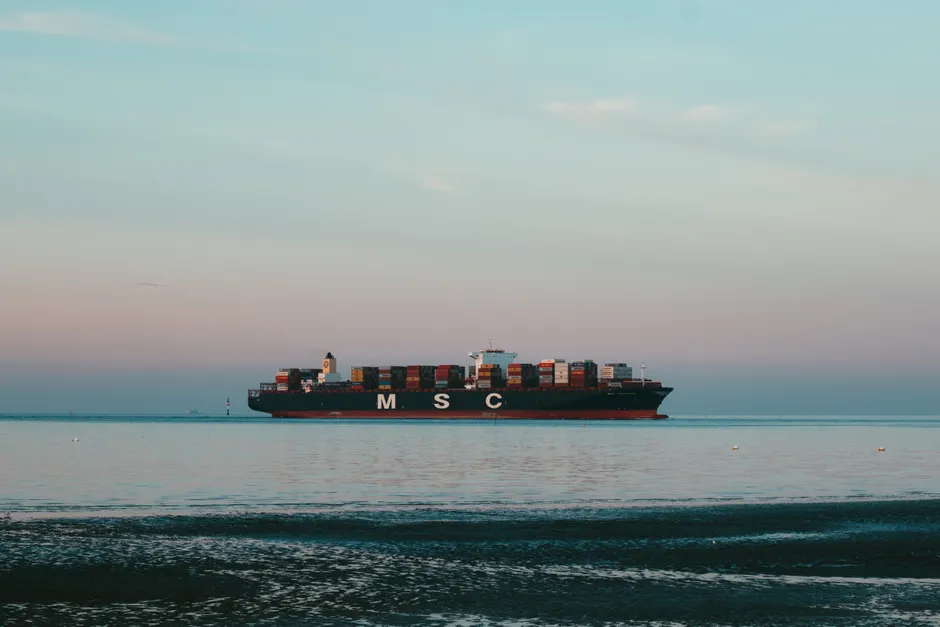
These strikes follow a clear escalation pattern. On July 16, Houthi leader Abdul Malik al-Houthi warned that all Saudi oil facilities and vital installations would be targets for the group's missiles and drones if Riyadh escalated its military involvement in Yemen (Reuters). Days later, on July 22, Houthi spokesperson Yahya Saree claimed the group targeted two Saudi oil tankers named "Encelia" and "Layla" in the Red Sea (Al Jazeera). The Houthis then declared a naval blockade of Saudi Arabia around July 20. Saudi Arabia responded by launching airstrikes on Hodeidah on July 24 (Reuters).
The collapse of the 2022 Saudi-Houthi truce set these events in motion. The truce was shattered in July 2026 following an attack on Sanaa airport intended to prevent an Iranian plane from landing, prompting the Houthis to fire ballistic missiles at Saudi Arabia. This breakdown pulled Riyadh back into a direct confrontation with the group it has fought since joining the Yemeni civil war alongside regional allies in 2015.
The broader regional context is defined by the direct US-Iran conflict. The United States has launched 13 consecutive waves of overnight airstrikes against Iran since July 11, 2026. These strikes were triggered by Islamic Revolutionary Guard Corps (IRGC) attacks on tankers attempting to transit the Strait of Hormuz, a narrow waterway through which roughly a fifth of the world's oil supply passes. Both Washington and Tehran declared an interim peace agreement, signed in June 2026, dead. US airstrikes on Iran paused after Friday, July 24, and tentative signs emerged that Washington and Tehran are communicating via mediators.
The Houthi attacks effectively open a new front in the US-Iran war. The Greek interception in Yanbu points to the increasing reliance on international coalitions for missile defense in the region. The targeting of Aramco infrastructure places global energy supply chains directly in the crosshairs of a conflict that had previously been concentrated in the Gulf and the Levant, the eastern Mediterranean region that includes Lebanon, Syria, and Israel.
The conflict's scope is widening on other fronts as well. Hezbollah, backed by Tehran, resumed missile attacks on Israel in March 2026. Israel then launched an invasion of southern Lebanon, displacing 1.2 million people. The involvement of multiple Iranian proxies (armed groups supported by Iran) across distinct geographic theaters creates a coordination challenge for Western and regional defense architectures.
A parallel maritime escalation occurred on July 25, when a long-range strike hit an Iranian commercial vessel in the Caspian Sea. The explosion killed one sailor and wounded another. Iran's Ministry of Foreign Affairs blamed Ukraine for the attack. Iran's state news agency IRNA published a report at 11:45 PM on July 25 headlined "Iran strongly condemns Ukraine's military attack on an Iranian commercial vessel in Caspian Sea" (IRNA).
Iranian Foreign Minister Abbas Araghchi discussed the Caspian Sea attack with the EU foreign policy chief, with IRNA reporting that Araghchi referred to it as a "Ukrainian regime's military attack on a commercial vessel belonging to the Islamic Republic of Iran in the Caspian Sea" (IRNA). Iran's Foreign Ministry condemned the strike as an "act of aggression" (The Guardian). Iran summoned Ukraine's diplomats in Tehran on July 26 in response to the incident (Al Jazeera).
The broader implication here is that the Caspian Sea strike introduces Kyiv as a direct participant in the expanding regional conflict. If verified, a Ukrainian attack on an Iranian vessel in the Caspian Basin extends the scope of the war beyond the Middle East and the Gulf, connecting the Ukraine conflict directly to the US-Iran confrontation. The involvement of the EU foreign policy chief in diplomatic communications with Araghchi further signals the breadth of international concern over the conflict's geographic spread.
The Saudi Press Agency published a GCC (Gulf Cooperation Council) Supreme Council final statement addressing Houthi militia attacks on oil facilities and the resulting emergency economic and financial burdens (SPA). The economic consequences of sustained attacks on Aramco facilities and maritime routes will test the resilience of global energy markets already strained by the disruption of shipping in the Strait of Hormuz and the Red Sea.
The convergence of these theaters — the Levant, the Red Sea, the Gulf, and now the Caspian — presents a complex challenge for deterrence and diplomacy. With the US-Iran interim agreement declared dead and backchannel mediation still tentative, the escalation cycle shows few signs of abating. The Houthi strikes on Jizan and Yanbu confirm that Saudi oil infrastructure remains a primary pressure point in the broader conflict.