Wildfires in France and Spain: What's Happening and Why It Matters
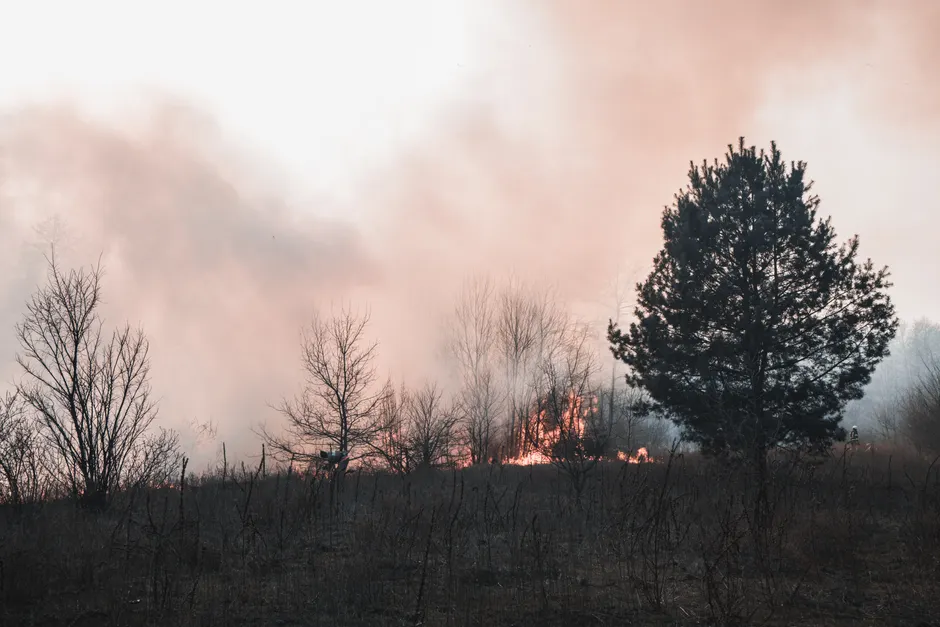
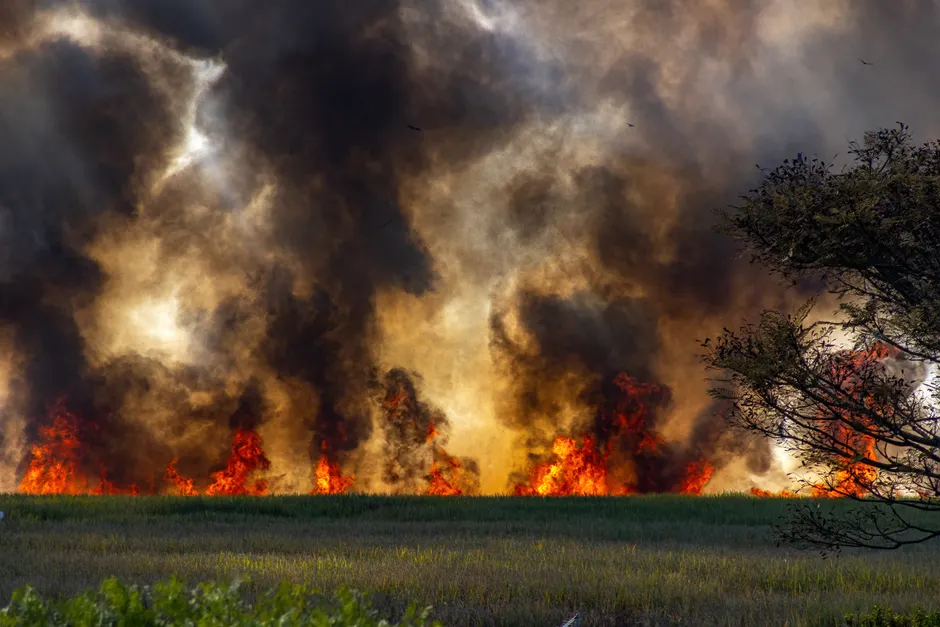
Firefighters in France and Spain are working to contain multiple large wildfires before a new heatwave arrives. The blaze near Bordeaux was brought under control overnight on July 28, but fires across both countries were still not fully stabilized as of July 27. Since the crisis intensified in mid-July, over 300,000 people have been evacuated across the two countries, and at least three deaths have been confirmed, including two firefighters killed in the line of duty. Radio-Canada
In France, roughly 220,000 people were evacuated due to wildfires as of July 27, and more than 100 homes were destroyed in the southwest by July 28. Firefighters contained the forest blaze near Bordeaux overnight, according to reporting from July 28. Reuters Two firefighters died on July 21 at approximately 14:30 while fighting fires in Gironde. The French gendarmerie (the national police force with military status) confirmed both deaths occurred during operational missions. Gendarmerie nationale
The wildfire wave began earlier in July. A large fire ravaged the Fontainebleau forest in Seine-et-Marne starting July 12, and was declared stabilized ("fixés") by the French Interior Ministry on July 14 in late afternoon. The Interior Minister traveled to Pyrénées-Orientales in early July in response to wildfire incidents there. Gendarmerie nationale Interior Ministry
In Spain, the situation escalated sharply in the second half of July. Interior Minister Grande-Marlaska declared a national-interest emergency in the Community of Madrid and Ávila on July 24, then extended the declaration to Toledo province on July 25. This type of declaration allows the central government to coordinate resources across regions rather than relying on individual regional governments alone. The government has declared 211 zones affected by civil protection emergencies across fourteen autonomous communities (Spain's self-governing regions with their own parliaments and budgets). Spanish Interior Ministry
One death was reported near Valencia in connection with wildfires as of July 25, though a blaze near Valencia was reported as "désormais maîtrisé" (now under control) the same day. In central Guadalajara province, a fire raged uncontrolled for a sixth day as of July 21, forcing more than 1,200 evacuations. The second half of July saw notable fire episodes in Rugat and Benidorm in the Valencian Community. Evacuation figures in Spain climbed to over 100,000 people ordered to leave their homes or seek shelter as of July 27. Reuters Radio-Canada
Spain's Civil Protection and Emergencies agency maintained an alert for very high and persistent temperatures starting July 5. The Spanish government had already moved the start of its 2026 summer wildfire campaign forward to June 1. At the time of that announcement, 127 fires had been reported and 354,793 hectares had been burned. Spanish Interior Ministry
Both governments have deployed significant aerial assets. For the 2026 forest fire season, France's civil security directorate leased 4 light helicopters, 6 heavy helicopters, and 6 Air Tractor aircraft (single-engine planes designed for agricultural and firefighting work). The Interior Ministry detailed these resources in a July 24 briefing on airborne firefighting operations. Interior Ministry
France launched its 2026 forest and vegetation fire prevention campaign with a press dossier published July 24, centering on encouraging brush clearing ("débroussaillement"), the practice of removing dry vegetation around homes and infrastructure to create buffer zones. An ORSEC "Chaleurs" (Heat) guide was released as part of the package. ORSEC is France's national emergency response framework, a set of pre-planned procedures that authorities can activate during crises. The campaign follows a June 4 event at the Nîmes-Garon civil security air base focused on prevention, combat, and reconstruction. Interior Ministry
Météo-France forecast 40 departments at "high fire risk" and 5 departments at "very high fire risk" for a Wednesday in late July. The French Civil Security agency has noted that the lengthening of the forest fire season can produce more powerful and complex fires, a concern that the simultaneous French and Spanish crises would appear to validate.
The broader context here is one of converging timelines. Both countries are experiencing fire episodes that their respective agencies had anticipated and planned for, yet the scale of simultaneous mobilization across southwestern France and central-to-eastern Spain is straining the capacity of national civil protection systems. France's ORSEC framework and Spain's national-interest emergency declarations are designed for exactly this kind of escalation, but the evacuation figures, the fatalities among first responders, and the destruction of residential property in southwest France all point to fires outrunning the preventive envelope.
What remains uncertain is how a looming new heatwave will interact with the partially contained fire perimeters. The overnight containment near Bordeaux is a meaningful operational gain, but as the Civil Security agency's own assessment implies, a lengthening season increases the probability of reactivation and the complexity of fires still in progress. The Spanish government's decision to declare 211 affected zones across fourteen communities indicates that the geographic scope of the crisis has exceeded any single regional response capacity. Whether the firefighting assets currently deployed, both aerial and ground-based, can hold the lines through another heatwave will determine whether the signs of improvement observed by July 27 solidify into lasting stabilization or give way to a renewed escalation.