Uber's New Strategy: Mining Ride Data to Build Self-Driving Cars for Others

Uber's New Strategy: Mining Ride Data to Build Self-Driving Cars for Others
Uber has created AV Labs, a new research division designed to use data from billions of rides on its platform to help develop autonomous vehicles. The shift is notable: rather than building self-driving cars to compete with other companies, Uber is positioning itself as a data supplier. Vehicles operated by AV Labs will collect and analyze information about real-world driving, not generate passenger revenue.
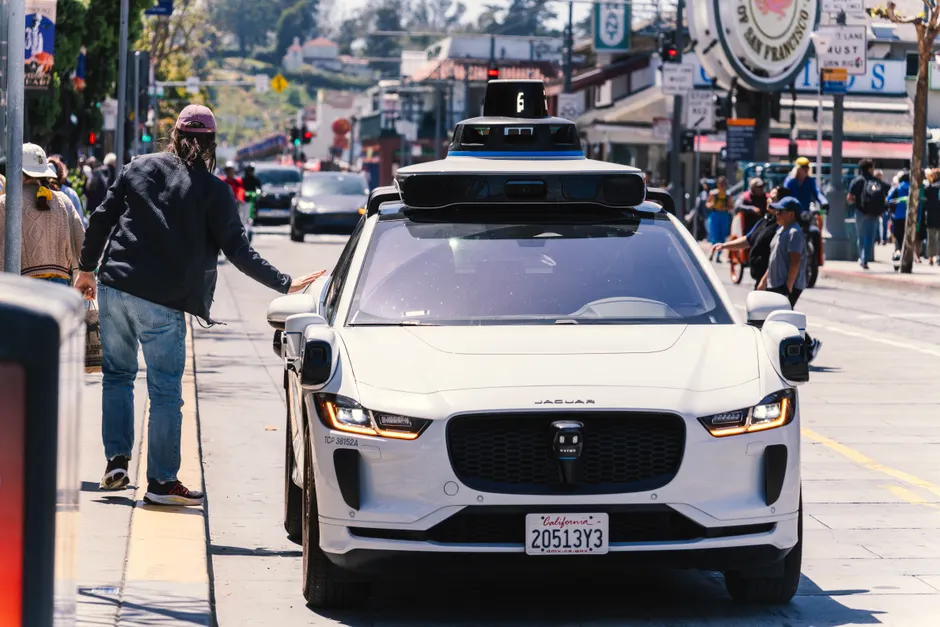
These vehicles are fitted with cameras, lidar (a type of 3D scanning sensor), and radar to monitor driving patterns and road conditions. According to reporting by The Verge, the program focuses entirely on gathering training data and testing autonomous systems built by other partners—a marked departure from Uber's earlier efforts to build its own driverless taxi service.
How the Data Pipeline Works
AV Labs operates across five main areas: collecting data from rides, training machine learning models, running computer simulations, testing those models against real-world scenarios, and building the infrastructure to handle the sheer volume of information involved.
The core idea is straightforward: Uber's existing millions of daily trips already contain valuable information about how people actually drive in different cities, weather, and traffic conditions. AV Labs formalizes this by using vehicle cameras to capture driving patterns that help train self-driving algorithms. A tricky intersection in one city, a rainy highway stretch in another, a busy pedestrian zone—all of it becomes training material.
The scale matters enormously. Building the infrastructure to process and organize this much data is expensive and complex, but it's something Uber can do because the data already flows through its systems. In effect, Uber has built a specialized factory for converting ride-hailing trips into structured training datasets for autonomous vehicle companies.
A Shift in Uber's Ambitions
Uber once pursued a more direct path: building complete autonomous systems in-house. In 2020, the company sold its self-driving research division to Aurora, a dedicated autonomous vehicle startup. AV Labs signals a different bet. Rather than compete with specialized autonomous vehicle companies that have raised billions for research and development, Uber is identifying where it has a structural advantage—access to operational data—and building a business around that asset instead.
The partnership model makes financial sense. Developing a fully autonomous vehicle fleet requires massive capital investment in manufacturing, sensor design, and navigating complex regulatory approval processes. Data services require different expertise but lower capital risk. By licensing its datasets to multiple partners, Uber participates in the autonomous vehicle transition without betting the company on a single technology approach.
This resembles a pattern we have seen before in technology. Amazon discovered that its internal infrastructure—built to run its retail operations—could be packaged and sold to other companies as Amazon Web Services. Google realized its ad-targeting capabilities, developed from analyzing search queries, had enormous market value. Meta built targeting systems from behavioral data on social platforms. Uber is following the same playbook: identify data assets created by your core operations, build technical infrastructure to process and package them, and sell access to companies that desperately need what you have.
Synthetic Testing and Real-World Edge Cases
One piece of this puzzle is simulation. AV Labs combines real driving data with computer models to create synthetic test scenarios. If a partner company wants to know how its autonomous system would perform in a monsoon or heavy snow in a specific city, Uber can feed real data into a simulator rather than forcing them to spend months collecting and testing in those conditions.
This matters because different regions present different challenges. A city with aggressive drivers, narrow streets, and unpredictable pedestrians requires different model training than a sprawling, orderly suburb. By providing data from diverse geographies and weather patterns, AV Labs can accelerate deployment timelines for autonomous vehicles entering new markets. Partners no longer need to start from scratch in each region; they can validate their systems against Uber's real-world evidence.
The Business Logic and the Bigger Picture
For Uber, this strategy accomplishes several things at once. It creates new revenue from data that already exists. It maintains relationships with autonomous vehicle companies that might otherwise become competitors. And it hedges against disruption: if self-driving technology takes significant market share from human drivers, Uber's data infrastructure becomes more valuable to the companies deploying that technology.
The broader context here is worth considering. AV Labs creates a feedback loop where Uber's ride-hailing operations generate data that helps autonomous vehicles improve, which could eventually reshape transportation markets entirely. Uber becomes both a beneficiary of autonomous vehicle progress and an active contributor to it. By focusing on data infrastructure rather than vehicle manufacturing, the company sidesteps many of the regulatory and liability headaches that plague companies deploying full autonomous fleets, while still capturing value as the technology matures.
In this author's view, this approach may prove more sustainable than the earlier strategy of building competing self-driving systems. Uber is playing to what it does best—operating a platform and understanding data at scale—rather than entering a capital-intensive race it did not necessarily have the expertise to win.