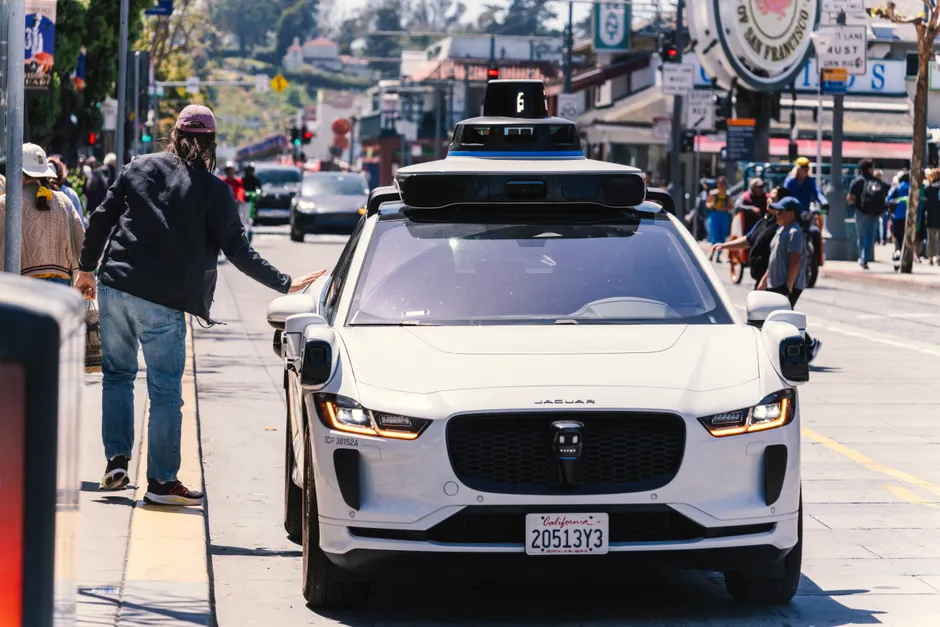
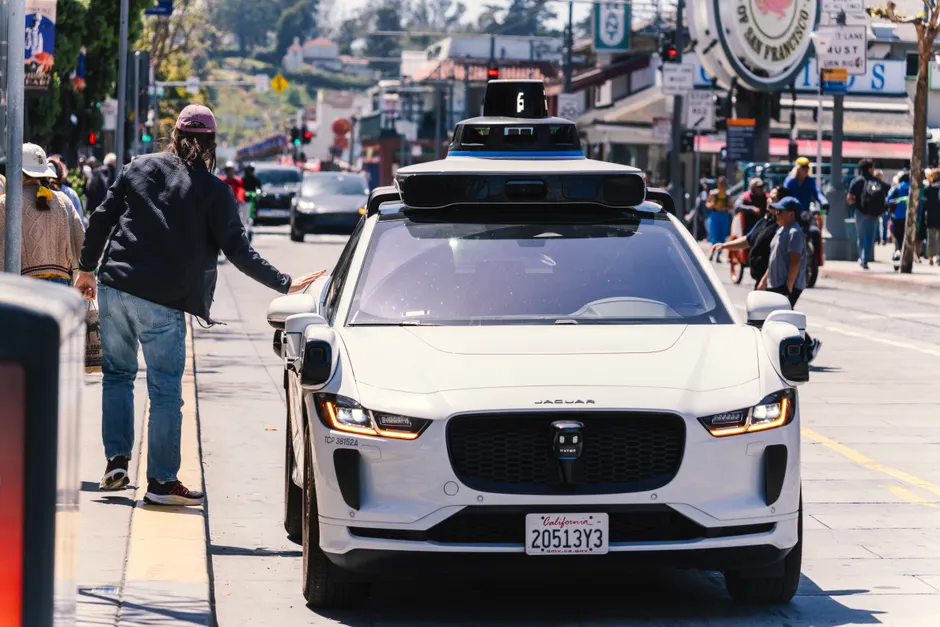
Waymo and Uber End Phoenix Partnership: What the Split Reveals About Autonomous Vehicle Deployment
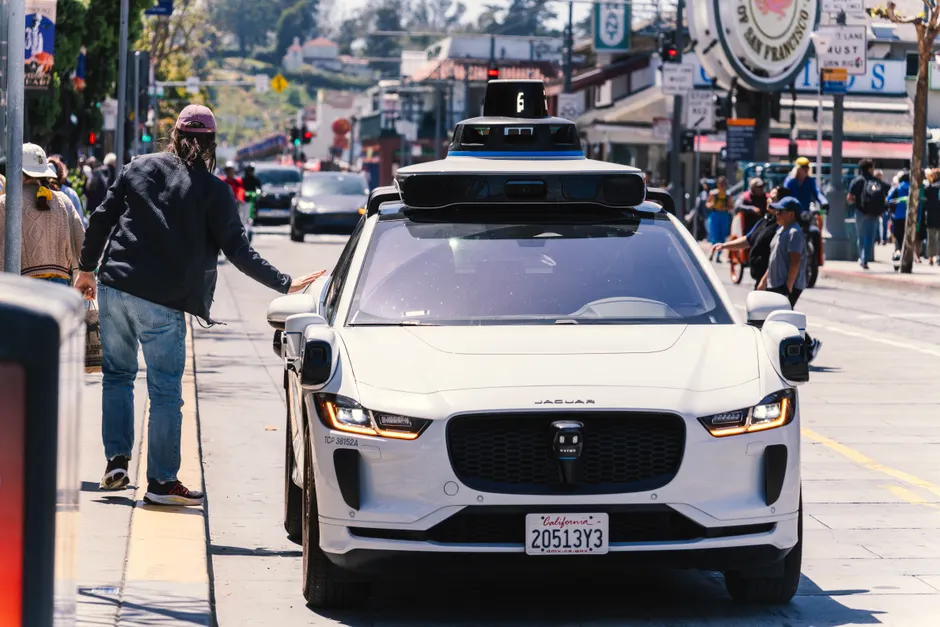
Waymo and Uber have ended their commercial partnership in Phoenix, according to a TechCrunch report published on 29 June 2026. The collaboration, which began in May 2023, had expanded to include autonomous deliveries and plans for multi-city growth before suddenly closing.
The partnership started with clear momentum. In May 2023, the two companies announced an arrangement pairing Waymo's self-driving technology with Uber's existing ride-hailing app and customer base. By October 2023, Waymo vehicles were carrying passengers booked through Uber in Phoenix. The following April, Waymo expanded into autonomous delivery, handling Uber Eats orders across the Phoenix metro area — one of the first large-scale commercial deployments of fully self-driving last-mile delivery. In September 2024, both companies announced plans to bring ride-hailing integration to Austin and Atlanta.
That expansion trajectory suggested a deepening relationship. The abrupt exit, then, deserves scrutiny.
The Structure of the Partnership
The Waymo-Uber model differed fundamentally from Waymo's own service, Waymo One. In Waymo One, Waymo controls everything: the booking app, fleet routing, payments, and the customer experience. Under the Uber arrangement, Waymo supplied the vehicle and driving system while Uber managed demand aggregation, payments, and the passenger-facing interface. From Waymo's angle, it gained access to Uber's established user base without building its own customer acquisition. For Uber, it was a way to offer autonomous vehicles without the cost and technical burden of developing its own self-driving stack — a path Uber itself abandoned when it sold its autonomous vehicle division to Aurora in December 2020.
This division of labor made sense in theory. In practice, when two separate companies operate autonomous fleets on the same platform, coordination becomes complex: real-time vehicle availability, service area boundaries, surge pricing logic, and emergency response all require seamless integration between systems built independently. Whether these friction points contributed to the Phoenix exit remains unclear from public reporting.
The Competitive Picture
Waymo's Waymo One service has grown in parallel, with paying robotaxi operations now active in San Francisco and Los Angeles alongside Phoenix. This independent growth gives Waymo a credible alternative to revenue-sharing through a partner platform — and reduces the strategic need to collaborate with a competitor that is also building its own autonomous vehicle partnerships, including an existing freight arrangement with Aurora.
The timing deserves attention here. Waymo and Uber announced expansion into Austin and Atlanta as recently as September 2024. Shutting down the Phoenix operation less than two years later, before those new cities went live, is a sharper reversal than the publicly stated expansion plans suggested. How those two new city deployments proceed — whether they launch, stall, or are quietly shelved — will be the next signal to watch.
Uber has consistently framed itself as platform-neutral on autonomous vehicles. It also maintains commercial partnerships with Waymo rival Cruise's successor operations and has discussed integrations with other autonomy companies. Losing Waymo in Phoenix does not leave Uber strategically exposed, but it does reduce the number of active autonomous vehicle partnerships operating on its platform.
What the Data Means
The Phoenix partnership generated something concrete: roughly three years of commercial data on how a third-party autonomous fleet performs inside a mass-market ride-hailing product, including the autonomous delivery extension. That data — utilization rates, passenger acceptance, service-area edge cases, and delivery handoff logistics — holds value regardless of which company owns it.
The unresolved question, and one the industry has not yet settled, is whether autonomous vehicle deployment will happen through vertically integrated operators like Waymo One, through platform aggregators like Uber that act as a marketplace, or through some combination that has not yet emerged. Phoenix was a production-scale test of the aggregator model. Its closure narrows the evidence for that particular approach.
The underlying infrastructure — the vehicle fleets, the sensor and compute systems, the high-resolution maps — is not going anywhere. The commercial arrangements above that layer, it turns out, are still being written.