CleanPlay Turns PS5 Subscriptions Into Solar Farm Funding — Here's How It Works
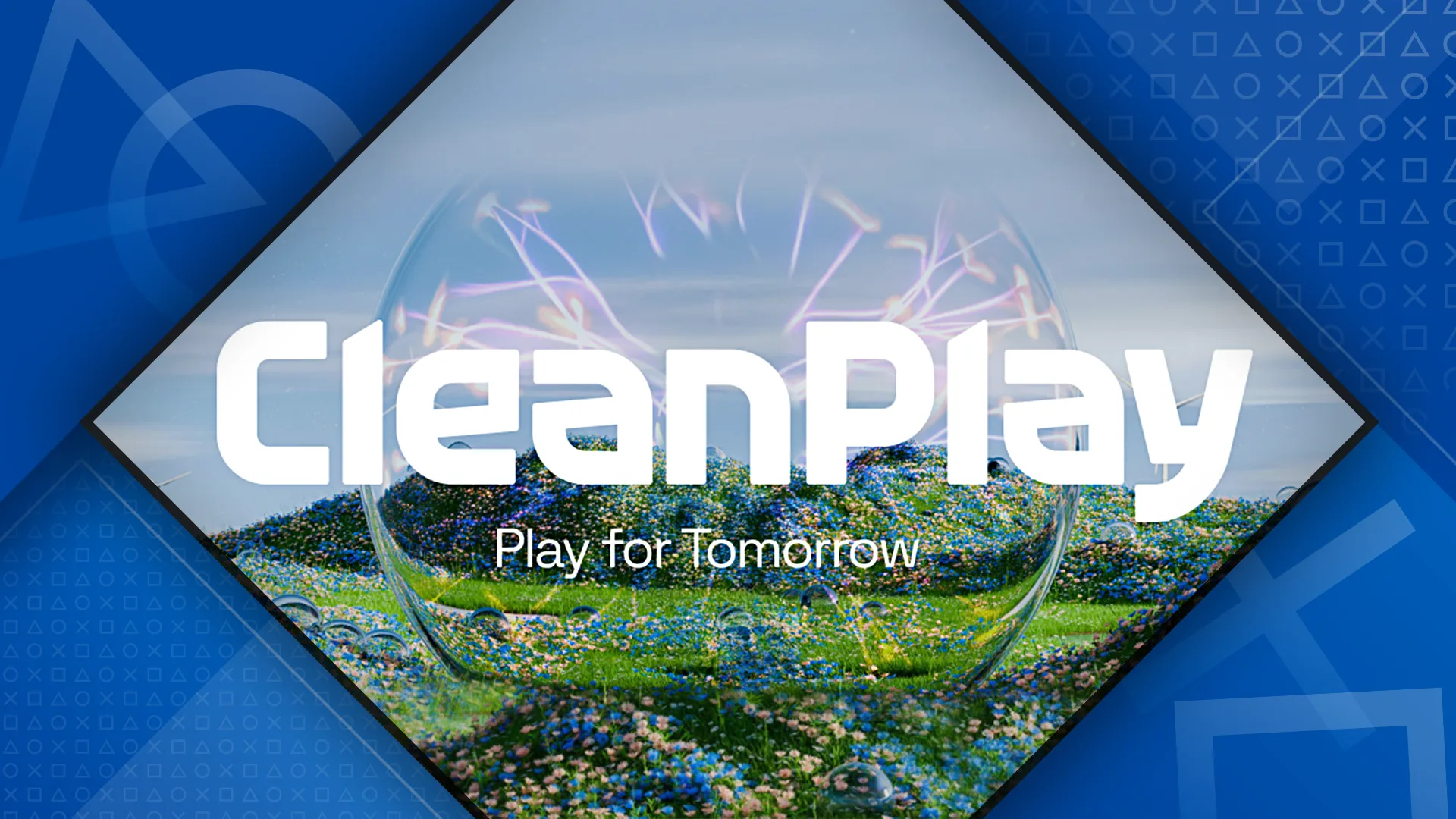
Climate-tech startup CleanPlay is offering PlayStation 5 owners a way to crowdfund solar farms through a subscription service priced at $34.99 per year or $3.99 per month, according to a report published in The Wall Street Journal on July 30, 2026. The service, reported by WSJ reporter Clara Hudson, frames clean-energy investment as a gaming perk rather than a standalone financial commitment.
CleanPlay's core product is its PlayStation app, which launched on PS5 on March 27, 2025, with in-game rewards provided by publisher 2K (Gamespress). Sony Interactive Entertainment confirmed the launch in an official blog post on its corporate site, describing the app as a tool that gives players "insight into the energy use of gaming and how to reduce it" while matching them "with opportunities to support new renewable energy projects" (Sony Interactive Entertainment).
The subscription model works by matching the average electricity consumed by a gaming console with verified clean-energy solutions, according to launch coverage from Gamespress and GamesBeat. CleanPlay operates a gaming rewards platform called SuperPower, which lets members earn in-game rewards by taking energy actions (cleanplay.com). The WSJ article's framing of solar farm crowdfunding is a progression of that earlier concept: the same subscription dollar that offsets console electricity now also directs capital toward new renewable infrastructure.
The structural question worth asking is how CleanPlay sits between small-dollar subscription revenue and project-level clean-energy deployment. A $34.99 annual subscription aggregates quickly across a large installed base. Sony reported 50 million PS5 units sold as of mid-2024, though that figure is not part of the verified facts here and is cited only as general context for sizing the addressable user pool. Even modest conversion rates — say, a single-digit percentage of PS5 owners signing up — would generate material capital flows into the solar projects CleanPlay sources and verifies.
What remains unclear from the available reporting is the exact mechanism by which subscriber funds reach solar projects. The possibilities include direct project equity (owning a stake in a solar farm), power purchase agreement participation (contracting to buy the electricity a farm produces), renewable energy certificate purchases (buyting tradable credits that represent clean-energy generation), or a blended approach. The WSJ article's use of "crowdfund" suggests a pooled-capital model rather than individual ownership stakes, but the specifics of subscriber recourse, project selection criteria, and verification standards are not detailed in the verified sources.
Sony's decision to host the CleanPlay app natively on PS5 gives the startup distribution advantages that standalone climate apps lack: direct access to a captive, monetized user base with an existing payments relationship through PlayStation Network. The 2K rewards partnership at launch further embedded the service in the gaming economy rather than positioning it as a separate utility.
The model also intersects with broader corporate climate commitments. Gaming consoles draw between 50 and 200 watts depending on model and usage intensity, and aggregate console electricity consumption is non-trivial across tens of millions of active units. CleanPlay's pitch — that the subscription offsets this consumption while channeling additional capital toward new renewable capacity — targets consumers who might not otherwise participate in clean-energy markets.
The verified facts do not specify which solar projects CleanPlay has funded or the dollar volume deployed to date. The WSJ article, as the most recent source, frames the crowdfunding angle as a new development, suggesting the solar farm component extends the original subscription-offset model launched in March 2025. Whether CleanPlay discloses project-level impact data to subscribers, and what verification standards apply to the "clean energy solutions" it matches, are open questions the available sources do not resolve.
The broader context here is the convergence of consumer subscription economics with distributed clean-energy finance. CleanPlay is effectively using a low-friction, low-ticket subscription (under $3/month) as an aggregation layer for capital that, at scale, could finance utility-scale solar. The climate-tech sector has seen repeated attempts to democratize clean-energy investment through retail-facing platforms; most have struggled with customer acquisition costs and regulatory complexity around securities offerings. CleanPlay's gaming-integrated distribution model sidesteps some of these frictions by embedding the ask inside an existing entertainment context, though the regulatory treatment of subscriber-funded project finance — particularly whether it constitutes securities issuance — is not addressed in the verified reporting.
What to watch: subscriber conversion rates from PS5's installed base, the disclosure of specific funded projects, and whether additional game publishers beyond 2K integrate CleanPlay rewards. The financial viability of the model depends on whether the spread between subscription revenue and project-level capital deployment is sufficient to cover CleanPlay's operational costs and platform fees owed to Sony.