A Russian Missile Struck Poland. NATO Scrambled Jets — but Stopped Short of Calling It an Attack.
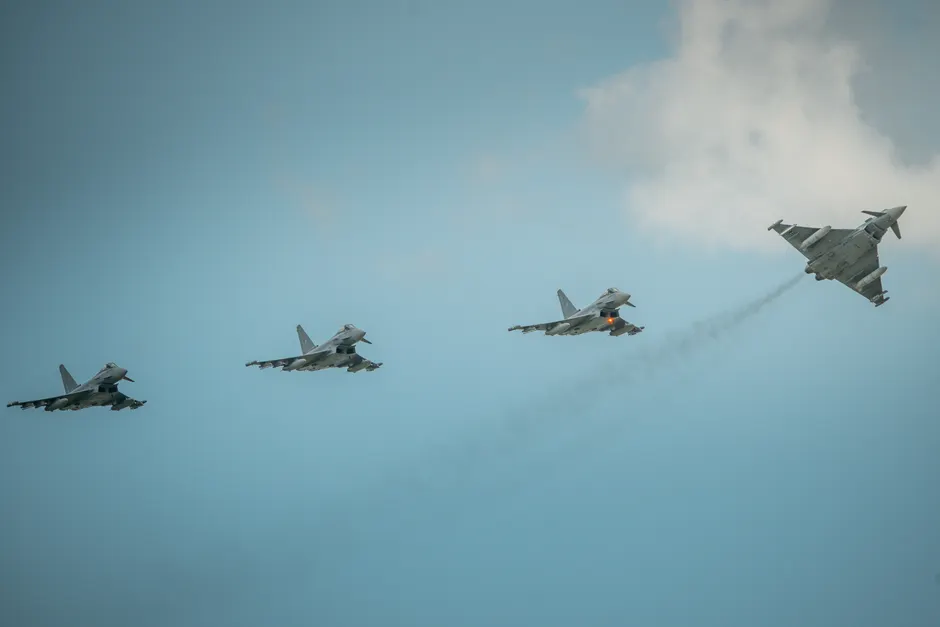
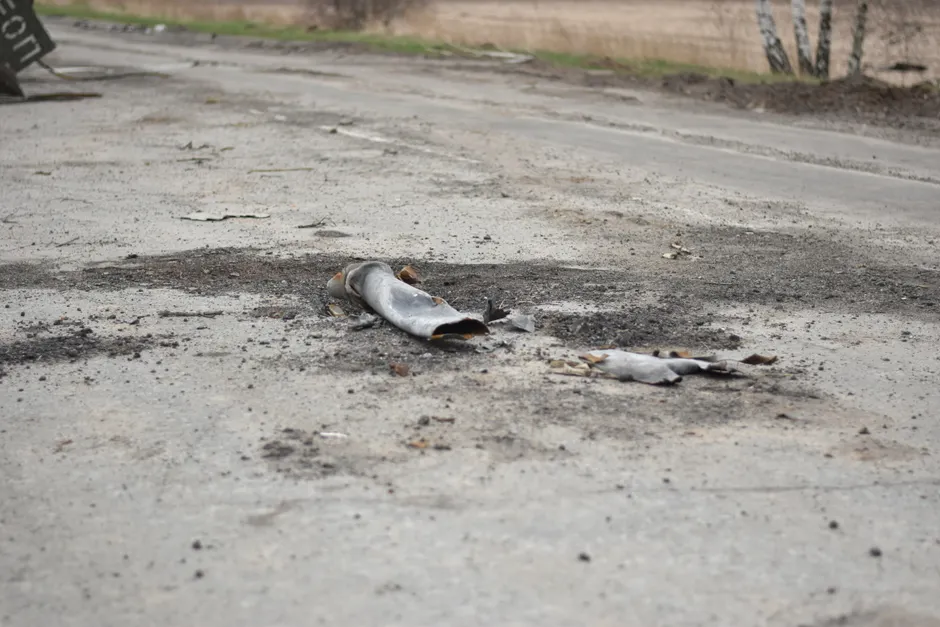
A Russian missile entered Polish airspace and detonated in the eastern village of Tarnawa-Kolonia on 30 July 2026, prompting NATO to scramble F-16 fighter jets alongside an aerial refuelling aircraft and an airborne early warning plane. Al Jazeera
The strike was part of an overnight Russian barrage of ballistic missiles and drones launched against Ukraine that killed at least eight civilians and injured more than 50. Al Jazeera Ukrainian forces intercepted only one of nine Russian ballistic missiles during the July 29 assault, according to Reuters. That low interception rate raises the question of whether the missile that reached Poland was a munition that overshot or strayed from its intended flight path.
Polish Prime Minister Donald Tusk visited the crash site and told reporters that "Everything indicates" the object was a Russian missile. Al Jazeera Ukraine's Foreign Minister Andrii Sybiha identified the weapon on social media as a Russian Kh-101 cruise missile — an air-launched missile that travels below the speed of sound, with a stated range exceeding 2,000 kilometres, typically fired from Tu-95MS strategic bombers. Al Jazeera
The detonation occurred in the Lublin region, close to Poland's border with Ukraine. Smoke was visible rising from the area after impact. Polish authorities reported no injuries or structural damage from the explosion, though it carved a wide crater at the site. Al Jazeera; AOL
NATO Secretary-General Mark Rutte said Poland and NATO activated their air and ground defences in response, characterising the incident as a reckless act by Russia. Al Jazeera A NATO spokesperson confirmed the scramble and stated that the alliance will continue to take all necessary measures to defend its territory. Al Jazeera
Notably, NATO assessed that there were no reasons to believe Poland was intentionally targeted. Irish Times This distinction carries weight under NATO's founding treaty. Article 4 allows allies to hold consultations when a member state's territorial integrity is threatened, while Article 5 is the alliance's collective-defence clause — treating an armed attack on one member as an attack on all. An unintentional airspace violation followed by a crash does not, by itself, meet the threshold of an armed attack under Article 5. The NATO messaging, separating the scramble from any invocation of collective defence, appears calibrated to register the gravity of the violation without escalating toward a direct alliance-Russia confrontation.
The broader context here is the persistent risk that Russia's large-scale strikes on western Ukraine pose to NATO's eastern flank. Cruise missiles fired at targets in Lviv or adjacent regions traverse airspace relatively close to Polish territory, and a single malfunctioning or off-course Kh-101 can cross the border in minutes. The Polish military has progressively enhanced its air-defence posture since the start of the full-scale war in Ukraine, integrating more closely with NATO's Combined Air Operations Centre — the command hub that coordinates allied air missions. The speed of the F-16 scramble reflects that posture. Yet interception of cruise missiles flying low and fast over friendly territory remains operationally demanding, particularly when the incoming profile is ambiguous: a missile heading toward a Ukrainian target and one drifting into Polish airspace can look identical until the last moments of flight.
Rutte's use of "reckless" rather than "deliberate" tracks with NATO's formal assessment. It signals that the alliance views the incident as a consequence of Russia's campaign tempo and risk tolerance rather than a calculated probe of Article 5. That framing leaves room for a diplomatic response proportionate to a violation of sovereign airspace, without locking the alliance into a trajectory of military escalation.
For Poland, the incident reinforces the domestic political case for continued investment in layered air defence — systems stacked at different altitudes and ranges to intercept threats at various stages of flight — and deeper interoperability with NATO command structures. For Ukraine, it is a reminder that the geographic proximity of strikes to NATO borders carries diplomatic value: each overshoot or near-miss reinforces Kyiv's argument that Russian missile barrages threaten not just Ukraine but the security of the alliance as a whole.