Ebola Outbreak in DRC and Uganda: How the Bundibugyo Species Became the Second-Deadliest on Record

An Ebola outbreak caused by the Bundibugyo virus species has killed nearly 1,000 people in the Democratic Republic of the Congo (DRC) since it was confirmed in May 2026, making it the worst Bundibugyo outbreak ever recorded and the second-deadliest Ebola outbreak in history. The outbreak also spread to Uganda, prompting the World Health Organization (WHO) to declare it a Public Health Emergency of International Concern (PHEIC) on 17 May 2026. A PHEIC is WHO's highest-level alert, reserved for events that pose a risk to multiple countries and require a coordinated international response.
WHO's PHEIC declaration came when the outbreak comprised eight laboratory-confirmed cases and 246 suspected cases across DRC and Uganda (WHO). The figures escalated rapidly. By 19 May 2026, Reuters reported 131 deaths in eastern Congo, with 26 new suspected deaths recorded in the preceding 24 hours (Reuters). CDC scenario modeling — a method of projecting outbreak trajectories using available data and assumptions — assumed 50 Ebola deaths as of 24 May 2026 and estimated the outbreak likely began around mid-to-late February 2026, weeks before formal confirmation (CDC).
By approximately 2 June 2026, the CDC's MMWR (Morbidity and Mortality Weekly Report) reported 378 confirmed cases — 363 in DRC and 15 in Uganda — with 63 confirmed deaths, 62 in DRC and one in Uganda (CDC MMWR). Around mid-June, the three affected provinces in eastern DRC had recorded 782 confirmed cases and 181 deaths (Reuters). By approximately 23 June 2026, WHO reported the outbreak had infected over 1,000 people and killed 267. WHO stated the Congo outbreak had the highest first-month total of cases of any Ebola outbreak on record (Reuters).
The trajectory continued upward. When deaths passed 500, the DRC had confirmed 1,561 cases including 506 deaths, which WHO described as the worst-ever outbreak of the Bundibugyo species (Reuters). As of 22 July 2026, Al Jazeera reported nearly 1,000 deaths, noting the outbreak took about eight months to reach that threshold (Al Jazeera). CDC's situation summary, with data current as of 27 July 2026, reported more than 100 fatalities in the first week of July alone (CDC).
In Uganda, ECDC reported that as of 17 July 2026 the Ministry of Health had recorded 20 confirmed cases including two deaths (ECDC). WHO's Disease Outbreak News item DON613, published the same day, covered the Bundibugyo virus outbreak across both countries (WHO). WHO AFRO's Weekly External Situation Report 10 carried data as of 19 July 2026, and the AFRO outbreak page maintained data as of 26 July 2026 (WHO AFRO).
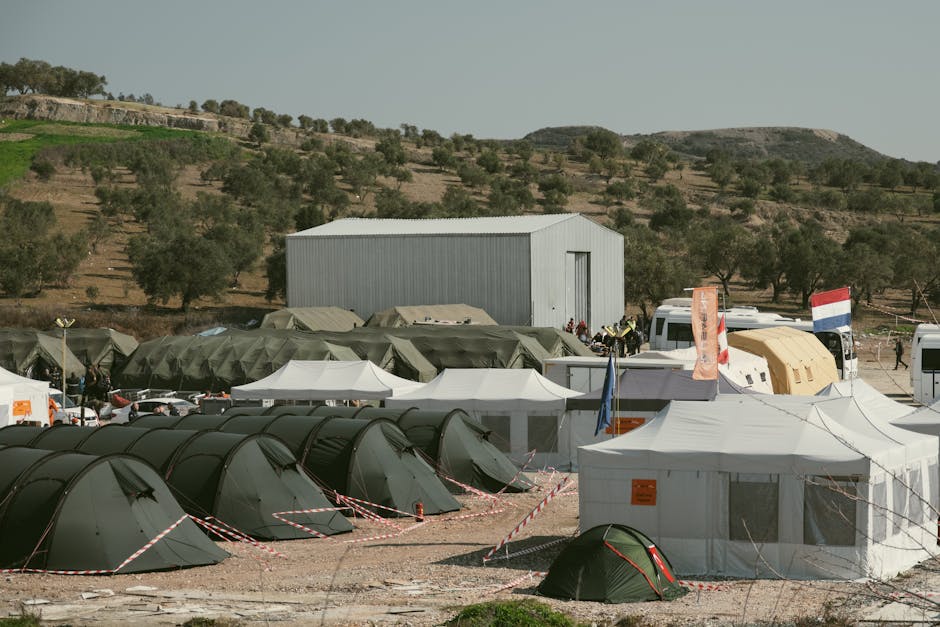
The outbreak's spread through displacement camps in Ituri province compounded the crisis. On or around 19 June 2026, Reuters reported that at least 30 people had died with Ebola symptoms at a camp in Ituri province, eastern Congo, and that Ebola deaths had already been recorded in another camp in the same province (Reuters). Displacement camps, where people fleeing conflict live in crowded conditions with limited sanitation, can accelerate disease transmission.
For historical comparison, the 2014–2016 West Africa Ebola outbreak, centered in Liberia, Guinea, and Sierra Leone, remains the worst on record with 28,600 cases and 11,325 deaths (Africa Center for Strategic Studies). The 2018–2020 Ebola outbreak in eastern DRC, caused by the Zaire ebolavirus species, killed nearly 2,300 people and was previously the second-deadliest on record (Reuters). Nature, writing in 2020, described that outbreak as the "world's second-deadliest Ebola outbreak" when it had killed more than 2,000 people (Nature). Multiple outlets, including ABC News and Al Jazeera, have described the current outbreak as the second-deadliest in history, supplanting the 2018–2020 DRC outbreak in that ranking (ABC News).
The broader context here involves several intersecting dynamics that merit attention. The Bundibugyo virus species is distinct from the Zaire ebolavirus responsible for both the 2014 West Africa outbreak and the 2018–2020 DRC outbreak. Outbreaks caused by Bundibugyo virus have historically been smaller in scale, which makes the current case count an outlier for the species. WHO's June statement that this outbreak produced the highest first-month case total of any Ebola outbreak on record is a signal that early transmission dynamics differed materially from prior events, including the 2014 West Africa epidemic that ultimately killed more than 11,000.
The transmission patterns within displacement camps in Ituri province raise questions about the adequacy of conventional Ebola response frameworks in settings of acute population displacement, insecurity, and weak health infrastructure. The AP News coverage linking the outbreak to questions of African health sovereignty and international funding dependencies touches on a longer-running debate about whether externally driven outbreak response architectures are sustainable or appropriate (AP News). The CDC's scenario modeling, which estimated the outbreak began weeks before its May confirmation, also points to surveillance gaps in the early phase.
With WHO AFRO data current as of 26 July and the PHEIC declaration now more than two months old, the trajectory of the Bundibugyo outbreak places it alongside the 2018–2020 eastern DRC outbreak in scale, though still well below the 2014 West Africa catastrophe. The cross-border dimension, with confirmed transmission in Uganda, adds a regional coordination layer that the 2018–2020 outbreak, largely contained within DRC, did not face to the same degree.