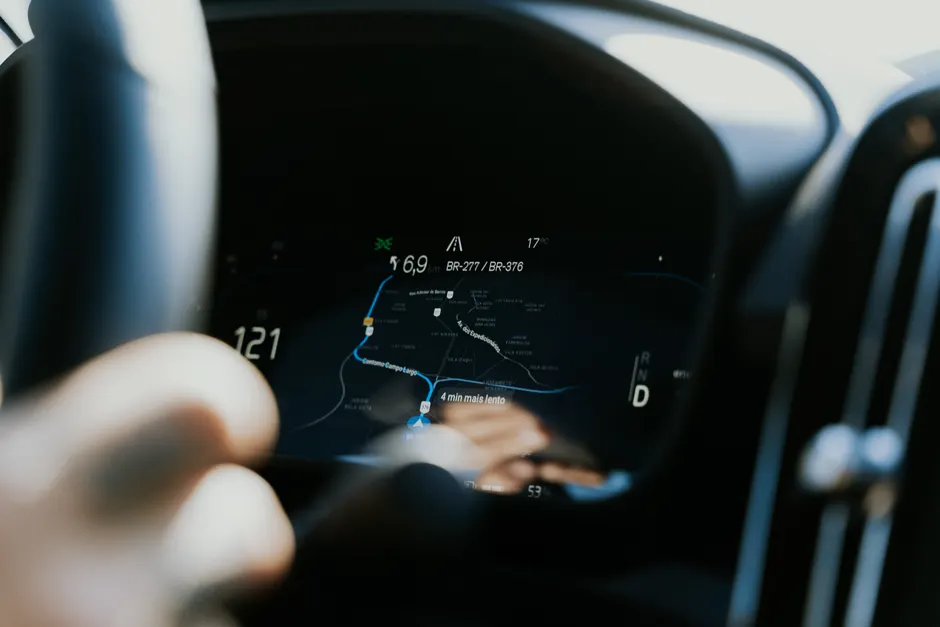
Trump Administration Approves Volvo's Connected Vehicles: What It Means for Cars and Security

The Trump administration has given Volvo Cars permission to keep selling vehicles with internet-connected features in the United States. The decision comes after the government reviewed whether foreign-owned automakers — especially those with Chinese ownership — pose national security risks through their vehicle technology.
Volvo Cars, owned by China's Geely since 2010, had faced possible restrictions on importing cars equipped with connected systems. The approval allows the Swedish brand to continue selling vehicles with features like over-the-air software updates, remote diagnostics, and infotainment systems that communicate with external networks.
What Are Connected Vehicles.
Modern cars have evolved far beyond their mechanical roots. Today's vehicles contain thousands of electronic components — sensors, processors, and communication modules — that work together to collect and transmit real-time data. A typical car might have between 8,000 and 12,000 separate electronic parts.
These systems gather information about location, driving patterns, engine health, and user behavior. That data flows back to the carmaker, service centers, and sometimes infrastructure systems. The collection and transmission of this information has raised questions about privacy and cybersecurity, particularly when a foreign government might theoretically gain access to details about where Americans drive and how they use their roads.
The automotive industry has become a focal point for security reviews. Factories rely heavily on robots for manufacturing — robots account for between one-third and more than half of industrial robots worldwide, depending on which sectors you count. This concentration of manufacturing power in specific regions has caught the attention of national security officials concerned about dependencies.
The Geely Question
Volvo's case is complicated by its ownership structure. Geely Holding Group, a Chinese company based in Hangzhou, bought Volvo from Ford in 2010 for $1.8 billion. Volvo still operates its own engineering and manufacturing facilities in Europe and the United States, giving it some independence, but the ultimate Chinese ownership has drawn scrutiny.
The administration's decision to approve Volvo suggests they are evaluating each foreign-owned automaker individually rather than blocking all of them based on nationality alone. This approach has precedent. Telecom equipment makers have faced similar security reviews, where some companies with foreign ownership received conditional approvals based on how they handle data and security.
Volvo's large employment footprint in allied countries also mattered. The company operates significant manufacturing in Sweden and Belgium. The related Volvo Trucks North America division employs 3,200 people, a number that carries weight in regulatory decisions.
How Connected Cars Actually Work
Connected vehicles communicate through built-in cellular modems, Wi-Fi, and sometimes satellite systems. Dozens of sensors feed information to the car's electronic systems — data from the engine, brakes, steering, and other components.
This connectivity serves real purposes. It enables preventive maintenance, helps emergency services respond faster, and allows manufacturers to update vehicle software without a trip to the dealer. But the same systems that make these features possible can also be vulnerable to hackers who might try to take control of vehicles or steal location data and driving patterns.
The approval process likely included detailed review of how Volvo encrypts data, isolates safety-critical systems from internet-connected features, and prevents attackers from accessing steering or braking controls. Modern automotive security practice separates entertainment systems from core vehicle functions — a digital firewall of sorts.
Implications for Other Automakers
This approval sets a pattern for how the administration will treat other foreign-owned car companies with connected vehicle technology. The focus appears to be on what a company actually does with data and how secure its systems are, rather than on where the parent company is headquartered.
We have seen similar approaches work in telecommunications, where specific products faced restrictions based on security concerns, while other products from companies with comparable ownership received clearance after meeting technical requirements.
The automotive industry cannot realistically source all connected vehicle components from the United States. Cars today incorporate parts from dozens of countries. The approval acknowledges a practical reality: security comes from proper engineering and controls, not from pure geographic isolation.
For other automakers with Chinese ownership or partnerships, the Volvo case offers a roadmap. Demonstrating transparent data practices, committing to keep certain data within specific regions, and maintaining operational independence from the parent company appear to carry more weight than the ownership structure itself.
What This Means for the Future
The approval removes uncertainty from Volvo's plans for advanced vehicle features in the U.S. market. The company has been developing next-generation connected systems, including the ES90 model that showcases how integration is advancing. Connected vehicle technology development typically spans five to seven years from concept to production, so regulatory clarity matters enormously for long-term planning.
The decision also affects a broader ecosystem of suppliers — companies that make cellular modems, cloud services, and software platforms for connected vehicles. Uncertainty about whether regulators will approve a technology can delay investment and slow innovation across the entire supply chain.
The broader context here is worth noting. A case-by-case approach that focuses on actual security practices and operational controls is more effective than blanket rules based solely on corporate headquarters. The automotive industry's global supply chains make broad geographic restrictions impractical, while focused technical requirements can address real security concerns without disrupting established business relationships. This approach has worked in other technology sectors and appears well-suited to automotive security challenges.