Waymo's New Custom Vehicles Mark a Shift in How Autonomous Taxis Get Built

Waymo's New Custom Vehicles Mark a Shift in How Autonomous Taxis Get Built
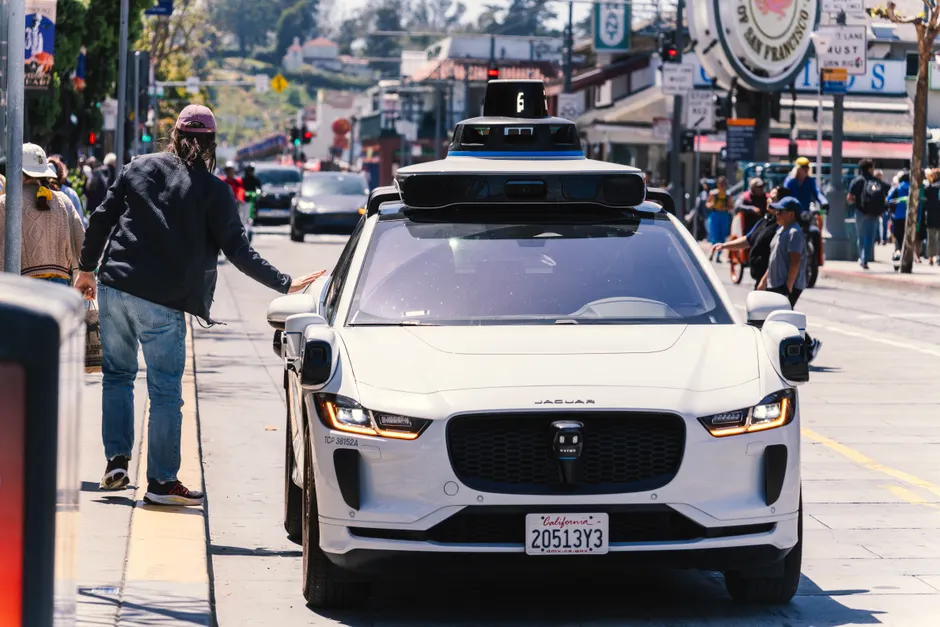
Waymo has partnered with Chinese automaker Geely to build a custom vehicle specifically designed for autonomous ride-hailing. Rather than retrofitting existing cars, Waymo's new partnership produces all-electric Zeekr vehicles engineered from the ground up for taxi service without a human driver. The Waymo-Geely partnership signals a strategic pivot: as Waymo matures its taxi service, it needs hardware built for that job, not borrowed from consumer car design.
Waymo plans to deploy these fully autonomous vehicles within its Waymo One fleet on U.S. roads in the coming years. Currently, Waymo One operates in Phoenix, San Francisco, Los Angeles, and Miami through its publicly available ride-hailing service.
Why Purpose-Built Hardware Matters
Until now, Waymo has adapted existing vehicles—notably Chrysler Pacificas—for autonomous operation. The Zeekr collaboration changes that approach. A vehicle designed from scratch for ride-hailing can optimize things that matter specifically to that use case: where sensors mount, how passengers access the interior, how often maintenance happens, and how the vehicle holds up under continuous operation rather than sitting in a garage.
All-electric powertrains also make financial sense for a fleet that runs constantly. Electric vehicles have lower fuel and maintenance costs per mile, which compounds when a car drives most of the day, every day.
The Zeekr vehicle comes from Geely's Swedish design and engineering team. For Waymo, this partnership delivers automotive manufacturing expertise and production capacity while Waymo keeps control of the autonomous driving technology—the self-driving software and sensor systems that do the actual driving.
The Economics of Moving to Custom Vehicles
Retrofitting consumer vehicles is expensive and fragile. You need to bolt on LIDAR sensors (which use laser light to see the environment), cameras, radar systems, and computing hardware that the original car was never designed to house. This creates design complexity and leaves little room for improvement.
A purpose-built vehicle lets engineers place sensors and computers where they belong from day one. It also reduces the risk of putting too much strain on a system that wasn't built for it. Think of it like converting a family sedan into a taxi versus designing a taxi from the start—the second approach is cleaner and more durable.
Waymo has accumulated millions of autonomous miles through its current Waymo One service, which gives the company real-world data on how its self-driving system performs. This track record matters when launching a new vehicle platform. The company can validate that its autonomous technology works in actual cities—Phoenix's straightforward roads, San Francisco's dense traffic, Los Angeles's sprawl, and Miami's unique driving culture—before rolling out new hardware at scale.
This shift toward dedicated hardware mirrors a pattern we saw when ride-hailing companies like Uber and Lyft moved away from relying on drivers' personal vehicles. As those services scaled, they needed fleets designed for commercial use, not borrowed from consumers. Waymo is following a similar logic.
Timeline and Regulatory Reality
Waymo has not announced when these vehicles will hit the road beyond "in the years to come." That measured pace reflects the real constraints: the vehicles need rigorous testing, regulatory approval across different states, and manufacturing ramped up responsibly.
Autonomous vehicle rules differ from state to state and keep changing at the federal level. Phoenix, San Francisco, Los Angeles, and Miami each operate under slightly different rules and driving conditions, so Waymo cannot simply deploy the same setup everywhere.
The Broader Competitive Landscape
Waymo is not alone in pursuing autonomous ride-hailing. Cruise, Aurora, and international companies like Baidu and WeRide are working toward similar goals. The partnership with Geely gives Waymo manufacturing scale and potential access to markets where Geely already operates, though the company's primary focus remains on perfecting its self-driving software and sensor technology.
The bet underlying this strategy is that autonomous taxis will transform cities before self-driving personal cars become common. Most industry analysts agree that shared autonomous vehicles will likely appear in riders' lives before consumers buy their own self-driving cars.
Geely gains entry into the autonomous vehicle space and association with one of the most advanced self-driving companies in the world. For Waymo, Geely provides the automotive expertise and manufacturing muscle to move from a small pilot service to something larger.
What This Means in Practice
From a practical standpoint, purpose-built vehicles give Waymo better odds of scaling beyond its current four cities. A vehicle optimized for the actual job of autonomous ride-hailing—continuous operation, passenger comfort, quick maintenance, durability—can run more reliably and cost less per mile than a retrofitted consumer car.
That said, building custom vehicles is harder than it sounds. The automotive industry has consistently underestimated how complex it is to deploy self-driving cars at scale. Hardware optimization solves one piece of a much larger puzzle that includes manufacturing, supply chains, regulatory approval, and proving that the economics actually work in practice.
The Zeekr partnership reflects how far Waymo has come. Five years ago, this company was a research project. Now it is an operational taxi service making business decisions about manufacturing, supply chains, and deployment strategy—the kind of adult decisions that come with running a real transportation service rather than a technology demonstration. Whether these custom vehicles deliver on their promise will tell us a lot about whether autonomous taxis can actually work as a business.