Car Bomb in Cucuta Wounds 11, Tests Colombia's Incoming President Before He Even Takes Office
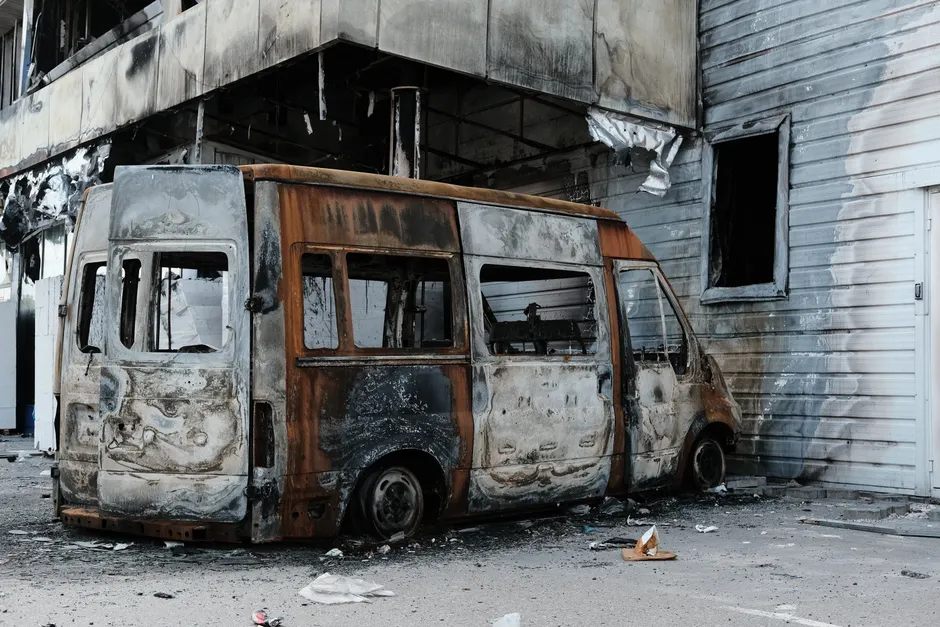
A truck loaded with explosives blew up next to a police station in Cucuta, Colombia, on Saturday, wounding at least 11 people just six days before President-elect Abelardo de la Espriella is scheduled to take office on August 7 (Al Jazeera; Channels TV).
George Quintero, the security secretary for the department of Norte de Santander, told reporters that eight police officers and three civilians were injured. Cucuta sits on Colombia's border with Venezuela, a corridor long fought over by armed groups involved in drug trafficking, extortion, and other illegal economies. No group immediately claimed responsibility.
Several organizations operate in the area. The National Liberation Army (ELN), dissident factions of the Revolutionary Armed Forces of Colombia (FARC), and the criminal group Clan del Golfo all remain active in and around Cucuta. The ELN, Colombia's largest remaining left-wing rebel group, has historically used car bombs and targeted attacks against security forces. FARC dissidents are fighters who rejected the 2016 peace accord and kept control over pockets of territory. Clan del Golfo, the country's most powerful criminal organization, dominates cocaine production and transit routes through Norte de Santander.
President-elect de la Espriella condemned the attack in a post on X, calling it a "cowardly terrorist attack" against the National Police. He said terrorism will not intimidate Colombia or break Colombians' determination to live in peace and security. The condemnation came as de la Espriella prepares to assume the presidency after a campaign built on promises to crack down on rebel groups and criminal organizations.
De la Espriella is a millionaire lawyer and businessman who has never held public office. His right-wing campaign was backed by the administration of US President Donald Trump, who has clashed with outgoing President Gustavo Petro over regional security matters. Petro, Colombia's first left-wing leader, pursued a policy of "total peace" — negotiated settlements with armed groups — but violence persisted throughout his term. De la Espriella told The Associated Press during his campaign that as commander-in-chief he would order the Air Force to shoot down any plane taking off loaded with drugs and order any boat loaded with drugs to be sunk.
The Cucuta bombing is the latest in a pattern of escalating pre-election violence. In April 2026, a highway bomb attack in southwest Colombia killed at least 14 people and injured 38, with authorities blaming dissident groups (France 24). In 2025, right-wing presidential hopeful and senator Miguel Uribe Turbay was shot in the head at an event in Bogota and died a month later from his injuries. Uribe Turbay's mother, journalist Diana Turbay, was killed in 1991 after being kidnapped by criminal forces during Colombia's internal conflict.
Colombia has grappled with that internal armed conflict for more than six decades, involving left-wing rebel groups, right-wing paramilitaries, government forces, and criminal organizations. Car bombs have been a recurring tactic. The FARC-EP detonated a vehicle-borne improvised explosive device at Club El Nogal in northern Bogota, killing 33 civilians and wounding 198 more, in one of the most lethal such attacks in the country's history (Colombian National Police).
The broader context here matters for understanding what comes next. De la Espriella inherits a security landscape in which the 2016 peace accord with the FARC fragmented rather than dissolved the armed conflict. Think of it as a deal that removed one major player from the board but left the remaining groups scrambling to fill the vacuum. Dissident factions and organizations that never signed accords now control territory and illegal economies that the state never fully reclaimed. Norte de Santander, in particular, has become one of the most violent departments in the country, with Cucuta serving as a strategic hub for cross-border trafficking into Venezuela. The August 7 inauguration will bring a sharp ideological reversal from Petro's negotiated approach to a Trump-backed security hawk who has pledged shoot-to-kill policies against drug trafficking infrastructure.
Whether de la Espriella's promised escalation stabilizes or further destabilizes Norte de Santander and similar regions will depend on the capacity of Colombia's security forces to project state authority into zones where it has been absent for decades. The Cucuta bombing, occurring as the transition of power gets underway, signals that the armed groups contesting those zones intend to test the incoming administration's resolve from day one.


