Italy Puts 25 Major Cities on Red Heat Alert as Mediterranean Heatwave Peaks
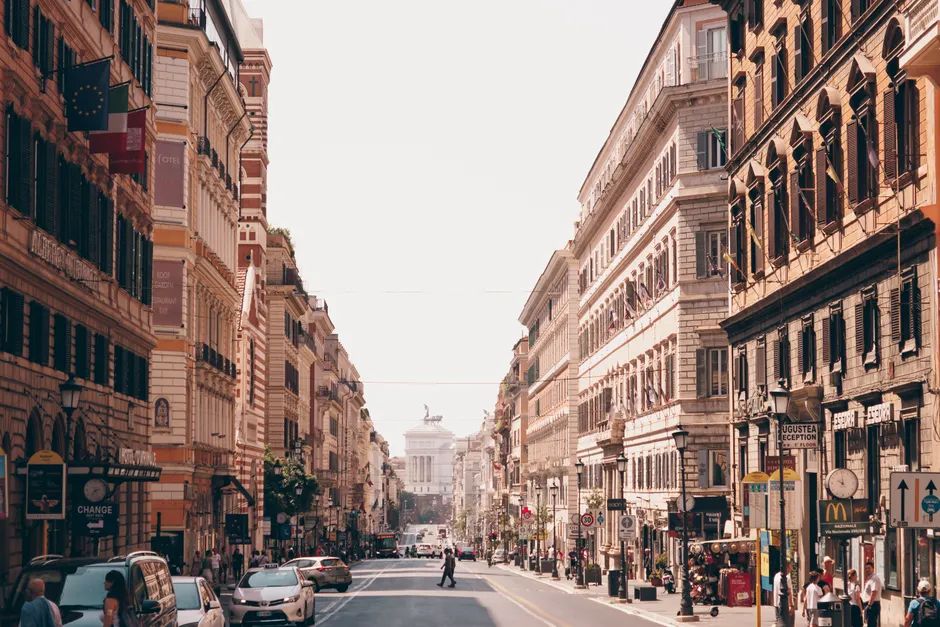
Italy's health ministry placed 25 of the country's 27 major cities on maximum red heat alert by Monday, August 4, 2026, as a subtropical anticyclone — a large-scale high-pressure system that traps hot air beneath it — intensified over the Mediterranean. Only Reggio Calabria and Messina were forecast to remain on the second-highest amber alert, according to the ministry's heatwave bulletin published Saturday, August 1 (BBC News).
The bulletin marks the peak of a heat episode that has been building throughout the summer. On August 1, 19 cities were already at bollino rosso — Italian for "red sticker," the highest alert level — with temperatures forecast to reach up to 44°C (Il Messaggero; RAI News). The ministry's Sunday forecast projected 23 of 27 monitored municipalities at red alert, rising to 25 by Monday (Il Fatto Quotidiano; BBC News). The Italian health ministry urged residents in affected areas to avoid exposure to heat and direct sunlight between 11:00 and 18:00, stay indoors, and drink plenty of fluids (BBC News).
This event did not arrive without warning. As early as June 24, Reuters reported red alerts for extreme heat in 15 Italian cities, including Rome and Milan. Two days later, on June 26, the agency reported temperatures expected to reach 40°C — the summer's first readings at that threshold (Reuters). The health ministry has been publishing daily heatwave bulletins since May 25, 2026, covering 27 cities with forecasts at 24, 48, and 72 hours (Ministero della Salute). Bulletins are updated Monday through Friday from 11:00 and are also accessible via the Caldo e Salute app (Ministero della Salute).
The broader context is that Europe is the fastest-warming continent, heating at twice the global average rate, according to the Copernicus Climate Change Service (BBC News). That warming trend translates directly into the conditions now straining civil protection systems across Southern Europe. The anticyclone driving Italy's heat is the same meteorological mechanism that has primed vegetation for combustion across the Mediterranean basin.
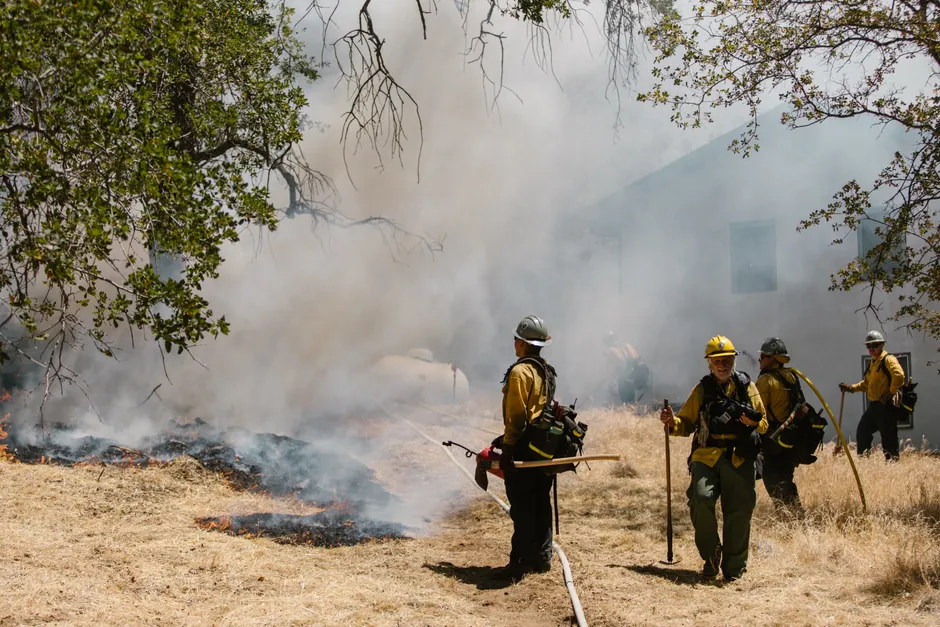
Firefighters in Greece, France, Portugal, and Spain were simultaneously tackling wildfires spanning thousands of hectares (BBC News). In France's south-eastern Var region, approximately 2,500 people were evacuated on Friday evening after a blaze that had been contained for several days reignited. In the south-western Gironde region, a massive fire was under control and some 200,000 previously evacuated residents had been able to return home. In Greece, hundreds of people — mostly tourists — were evacuated by sea from the coastal town of Viotia, hemmed in by one of many wildfires raging across the country.
The scale of land already burned this year is striking. In Spain, more than 200,000 hectares had burnt in 2026 as of the reporting date, roughly five times above the average for that point in the year, according to EU data. Burnt land in Portugal was also higher than usual (BBC News).
The Italian health ministry's alert system for summer 2026 uses a tiered classification: level 0 indicates no risk, level 1 denotes meteorological conditions warranting attention, and the red bollino rosso designates maximum alert (Ministero della Salute). A ministry notice had previously forecast above-average temperatures for the week of August 9–15, with heat attenuating gradually after ferragosto on August 15 (Ministero della Salute).
The convergence of extreme heat, mass evacuations, and wildfire activity across four EU member states simultaneously places considerable strain on cross-border emergency response capabilities. With Italian cities climbing from 19 to 25 on red alert over a single weekend, and with Spanish burned area already at five times the seasonal norm by August, the trajectory of this summer's compound climate event is testing the operational thresholds of national civil protection systems across Southern Europe. The health ministry's guidance to avoid outdoor exposure between 11:00 and 18:00 amounts to a de facto curfew on daytime activity in major urban centers, with implications for labor productivity, tourism, and public health systems already under seasonal pressure.