Sydney Construction Collapse: What Happened on Wattle Street and Why It Matters
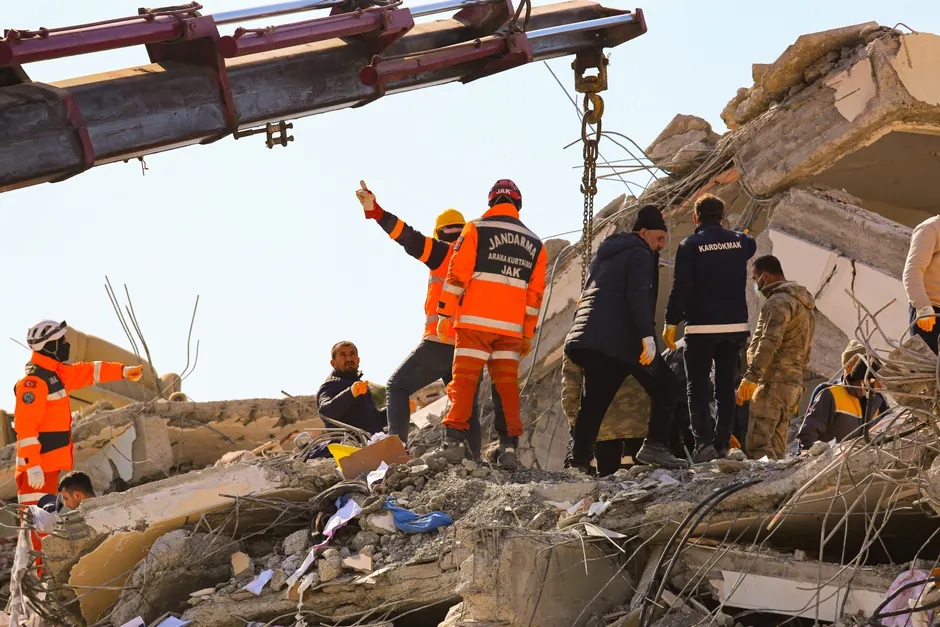
Two men were pulled from the debris and taken to hospital in serious condition after a building under construction collapsed on Wattle Street in Ultimo, Sydney, on the morning of 3 August 2026. Ambulance NSW confirmed their conditions the same day. One man is in his 30s, the other in his 60s. Five additional people were assessed by paramedics at the scene and released without further treatment. The Guardian
The roof and wall of the structure gave way at approximately 11am, sending debris onto the street and onto a neighbouring Shell petrol station. Fire and Rescue NSW acting superintendent Peter Murray said a portion of the building had collapsed and that debris fell on cars parked within the service station area. The site was an active construction project at the time.
Urban search and rescue firefighters attended the scene. Police cleared the surrounding area and evacuated workers from the construction site. No further details on the cause of the collapse have been reported.
Ultimo sits adjacent to Sydney's central business district and is home to major educational and cultural institutions, residential towers, and active commercial strips. A structural failure at a construction site in such a densely populated area carries immediate consequences beyond the worksite boundary. Debris reaching a functioning petrol station adds a further layer of risk, introducing the potential for secondary incidents such as fire or fuel-system damage that emergency responders must account for during rescue and stabilisation operations.
The deployment of urban search and rescue specialists signals that responders treated the collapse as a technically complex incident rather than a routine structural failure. These units are trained for confined-space rescue, shoring up unstable structures, and systematic debris clearance aimed at locating people who may be trapped. Their involvement indicates that the scene was assessed as carrying ongoing structural risk, enough to require specialist hazard mitigation before rescue operations could proceed safely.
The fact that five people were assessed and released suggests a relatively contained casualty footprint compared to what a collapse of this nature could produce in a high-density urban setting. The two men hospitalised in serious condition, however, indicate that at least some individuals were close to the failure zone when the structure gave way. Whether those individuals were construction workers, pedestrians, or occupants of adjacent premises has not been specified in the information released.
Construction-site collapses during the build phase are relatively rare but not unprecedented in Australian urban centres. Investigations typically examine structural design integrity, construction methodology, materials compliance, and whether work was proceeding in line with approved engineering plans. SafeWork NSW and local building authorities routinely become involved in such incidents, though their formal engagement has not yet been confirmed in reporting.
The broader context here is that urban densification across Sydney has intensified construction activity in close proximity to occupied commercial and residential premises. The interface between active construction sites and adjacent land uses, particularly high-risk facilities such as fuel stations, is a focal point for planning, safety, and emergency-response planning. An incident like this will likely prompt review of whether current site-management and risk-assessment frameworks adequately account for that interface.
For the construction sector, an incident of this nature will draw scrutiny to site safety protocols, temporary structural support systems, and the adequacy of inspections during critical phases of the build. The involvement of a neighbouring commercial operation, a Shell-branded petrol station, adds a dimension of third-party risk that may factor into subsequent regulatory and liability considerations.
The immediate priority remains the medical condition of the two hospitalised men and the structural stabilisation of the site. Further information on the cause, the scope of damage to neighbouring property, and any regulatory response will depend on the findings of investigations that are presumably in their earliest stages.


