Ulladulla Tornado: Why Hitting a Town Changes the Risk
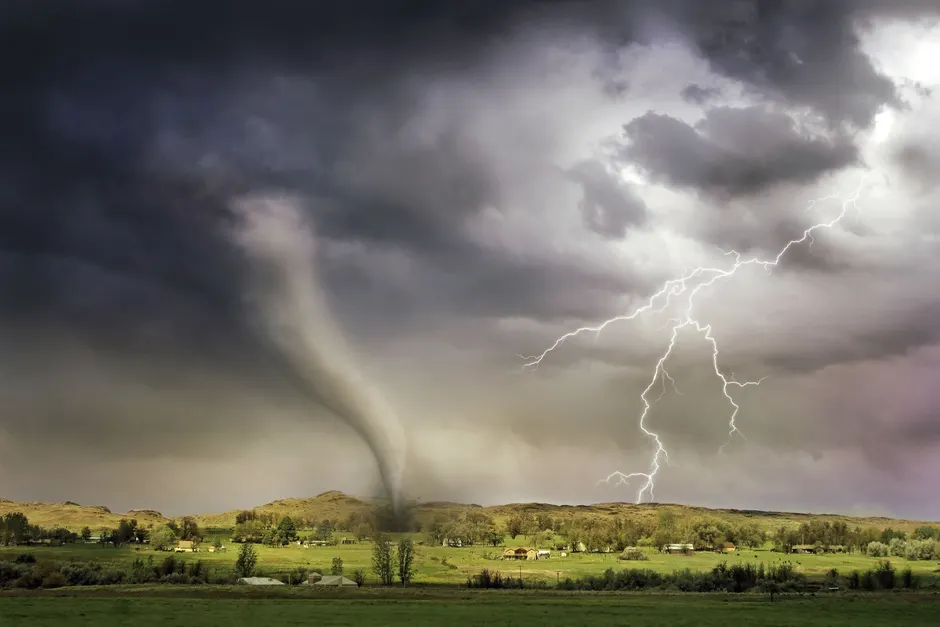
A rare tornado tore through Ulladulla on the New South Wales south coast just after 1pm on 3 October, causing significant damage around the town. ABC News
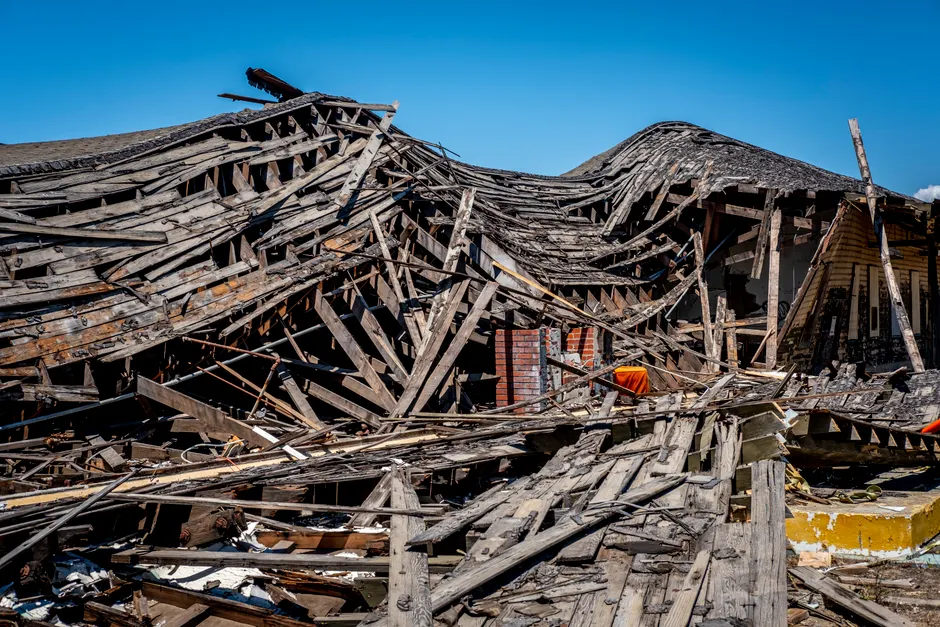
Emergency crews found roofs torn from homes, tiles and skylights knocked loose, and powerlines down. ABC News Other properties were damaged and trees were knocked over. BBC
The Australian Bureau of Meteorology said severe thunderstorms caused the tornado. It said it is very uncommon to see one in a populated place like Ulladulla. BBC
Security camera footage showed the tornado hitting an Ulladulla cafe, throwing chairs and tables off the balcony. ABC News A local resident also filmed the tornado moving through town. ABC News The tornado moved through parts of the south coast, with damage centered on Ulladulla.
The broader context here is what happens when that kind of storm hits where people live. The damage was at house and street level: roofs, tiles, skylights, powerlines, trees, and cafe furniture. Each type needs a different fix, from covering open homes to restoring power to clearing roads and paths.
In my view, the Bureau's point about a populated place is important for understanding risk. The same tornado over empty land might do little harm. Over Ulladulla, it struck houses and businesses directly, like a narrow drill cutting through a street. That raises the need for clear warnings and quick damage checks, even when only one town is affected.
Looking at the days after 3 October, video will help guide recovery. The cafe security footage and local video record the strength and path of the wind. Crews can use that to decide where to inspect roofs first and where to repair powerlines. For residents, it helps explain damage that can look random. The event lasted minutes. Repairs will take longer.
My assessment is that the pattern of damage will set the pace of work. Missing roofs and loose tiles and skylights leave homes open to rain. Fallen powerlines limit safe access until cleared. Fallen trees block movement. Each job needs different workers, which makes scheduling harder in town.
In my view, communication will also be tested. With security footage and local video already being shared, people will expect updates. That creates pressure for steady guidance on staying away from damaged roofs and downed lines, and on where to report damage. When the wind has passed but danger remains, clear information counts more than fast information.
The broader lesson here is about where, not how often. Rare does not mean harmless. One tornado in a town can create many urgent jobs at once. That strains choices about what to fix first. For planners, the point is readiness for rare events with serious effects in built-up areas.