Lenovo's Googlebook Lineup Leaks: Laptops, Tablet, and a First Look at What Comes After ChromeOS

Leaked press images of Lenovo's upcoming Googlebook lineup have surfaced, showing a laptop, a 2-in-1 tablet, and a specific model called the Lenovo Googlebook 15 ahead of a Fall 2026 launch window. The images, shared by Digital Citizen and Android Headlines, show the first hardware bearing Googlebook branding from one of five manufacturing partners expected to bring initial models to market The Verge.
Acer, Asus, Dell, HP, and Lenovo are lined up to release the first Googlebook models in Fall 2026. Googlebooks are expected to replace ChromeOS with a new operating system and integrate Gemini AI, marking a platform transition rather than a rebrand of existing Chromebook hardware.
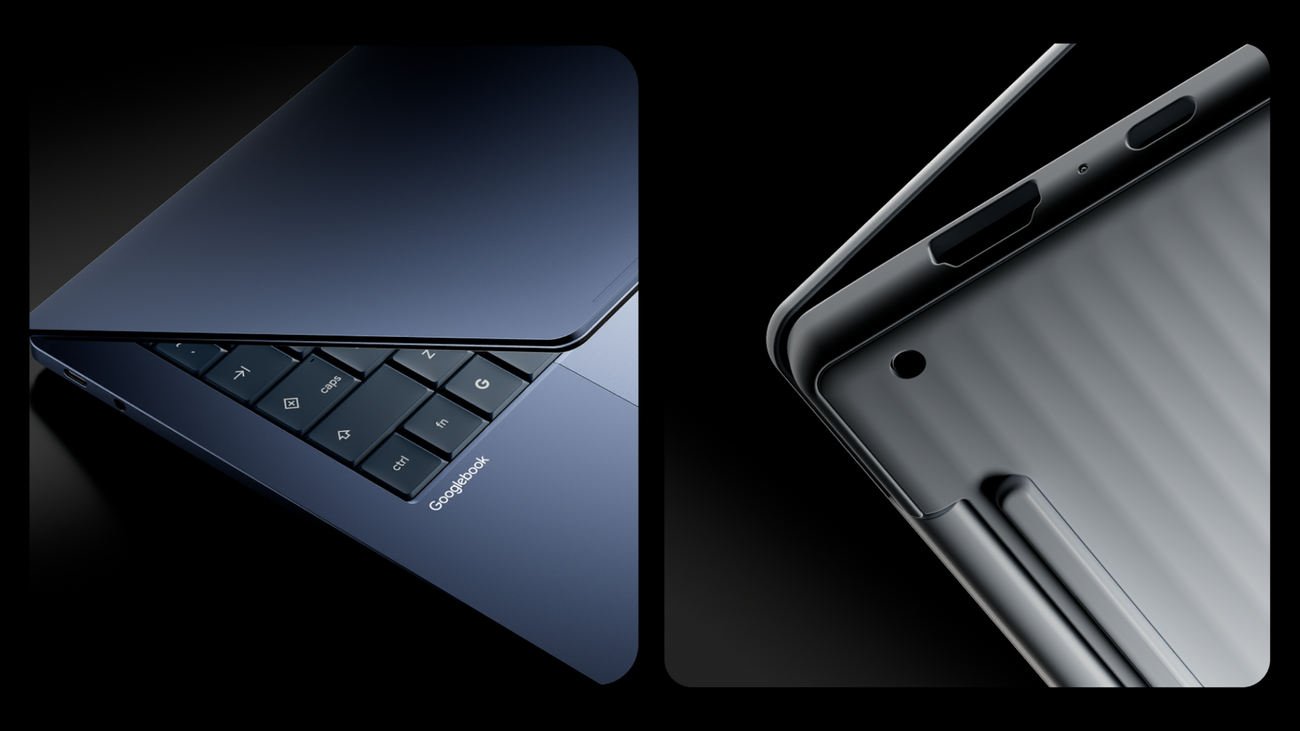
The leaked Lenovo renders include a conventional laptop available in two sizes and a 2-in-1 tablet with a removable keyboard. All feature Googlebook branding on the keyboard. The laptop models carry a light strip on the back lid that resembles the glowing bar shown on official Googlebook renders. The 2-in-1 tablet's rear camera housing includes a light bar similar to the glowing orb expected on the upcoming Pixel 11 lineup. VideoCardz corroborated the form factor lineup, reporting two conventional laptops alongside the detachable tablet VideoCardz.
The keyboards in the leaked renders carry two notable design changes. A new key on the bottom row displays Google's "G" branding; Digital Citizen reports this is a dedicated hardware key to surface Gemini. The keyboards also include a Quick Insert button in place of the caps lock key, a feature Chromebooks introduced in 2024 to call up Gemini The Verge.
Digital Citizen published an exclusive report on August 2 identifying a specific model, the Lenovo Googlebook 15. The outlet's renders depict a laptop with a display notch and a physical privacy shutter for the webcam. Digital Citizen emphasized that the software shown in the renders, not the industrial design, is the real leak — suggesting the images reveal the Googlebook operating system interface rather than just hardware aesthetics Digital Citizen.
The Lenovo 2-in-1 tablet had surfaced even earlier. Android Headlines reported that Android Authority had leaked the device earlier in July, and Chrome Unboxed identified the tablet as "Sapphire," a device the site had been tracking for months Android Headlines; Chrome Unboxed. 9to5Google also reported the initial Lenovo leak, confirming two laptop sizes and the 2-in-1 form factor 9to5Google.
The hardware details in the Lenovo leaks point to a consistent design language across the Googlebook program. The light strip on the laptop lid and the light bar on the tablet camera housing echo visual cues from Google's own Pixel hardware, suggesting Google is extending its device identity to manufacturing partners rather than letting each one impose its own look.
The dedicated Gemini key and the relocated Quick Insert button place AI invocation at the keyboard level. That is a hardware-level commitment to making the assistant a primary way you interact with the device rather than a background service that runs quietly behind your apps. The Quick Insert button's move from Chromebook to Googlebook indicates continuity in Google's input strategy even as the underlying operating system changes.
The broader context here is what Digital Citizen flagged about the software in the renders. If the images show the actual Googlebook OS interface, they are the first public look at what will replace ChromeOS on consumer hardware. The shift from ChromeOS to a new platform raises questions about application compatibility, management frameworks for enterprise and education deployments, and the fate of the ChromeOS ecosystem that has been built over more than a decade. Those questions will not be answered by press renders, but they will define whether Googlebooks succeed where Chromebooks did — in classrooms, in fleet deployments, and at the budget-conscious end of the consumer market.
The Fall 2026 launch window gives Google and its partners roughly two to three months before devices are expected on shelves. With five manufacturers producing launch hardware and leaks already emerging across multiple outlets, Google's ability to control the narrative around the Googlebook rollout is narrowing. What remains unseen is pricing, specifications, and the specifics of the new operating system itself — all of which will determine whether Googlebooks land as a credible category or an incremental step from the Chromebook line they are set to replace.