Raleigh Bicycle Owner Accell Group Enters Insolvency: What Happened and Why It Matters
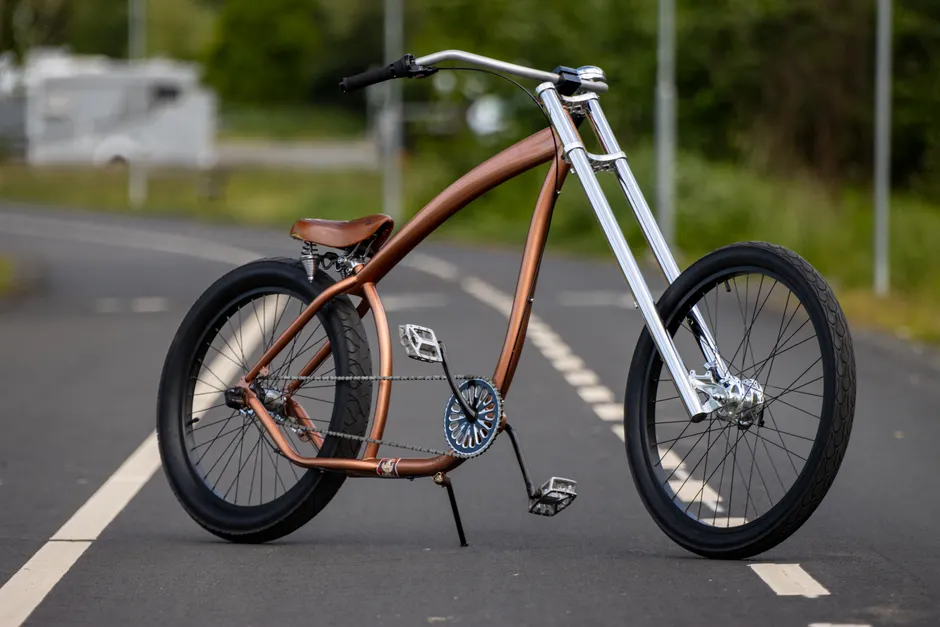
Netherlands-based Accell Group, the company behind the Raleigh bicycle brand, began insolvency proceedings on 6 August 2026 after failing to find a buyer. Accell UK and Ireland filed a notice of intention to appoint administrators — a formal step that signals a company cannot pay its debts and is preparing to restructure or sell off its assets. The company said it had exhausted every option before taking this step, stating that "every realistic option for the future of the business has been tirelessly explored." The Guardian; Cycling Weekly
The immediate trigger was the collapse of takeover talks with Dutech Holdings, a subsidiary of Singapore-based Tri Star Group. When those negotiations fell through, Accell's creditors — a group of undisclosed European banks and investors — were left without a way to recover what they were owed. Those creditors had only taken control of Accell in February 2026, when the US private equity firm KKR was forced to hand the business over after a buyout it engineered in 2022 collapsed under the weight of the debt it had piled onto the company. KKR's original acquisition valued Accell at €1.4 billion (£1.2 billion).
The timeline is remarkably compressed. KKR took Accell private in 2022, and within four years the investment was effectively wiped out. Creditors seized the company, failed to find a buyer, and now CEO Jonas Nilsson presides over a business entering formal insolvency less than five months after that handover.
Accell's portfolio extends well beyond Raleigh. The group also owns Lapierre, Ghost, Haibike, Batavus, Winora, and the Babboe cargo bike brand, among others. The company described itself as the European market leader in e-bikes (electric bicycles) and the second largest in bicycle parts and accessories. Production had been heavily consolidated: the vast majority of manufacturing was moved to Hungary, where costs ran 30% below those of its previous Dutch factories. The Guardian
The Raleigh brand carries particular historical weight. Founded in 1887, Raleigh grew to become the biggest bicycle manufacturer in the world. At its peak, the company produced one million bicycles a year at its Nottingham factory and employed more than 8,000 people. Its classic children's models — the Chopper, Grifter, and Burner — defined a generation of British cycling in the 1970s and 1980s. Raleigh stopped making bikes in England in 2002. Accell purchased the brand in 2012 for $100 million (£74 million), ending 125 years of British ownership.
The insolvency filing comes just months after Accell publicly projected forward momentum. On 16 April 2026, the company announced it would present a "sharpened portfolio" and new models across its Raleigh, Lapierre, Haibike, Batavus, and Winora brands at its European Dealer Days event in June 2026, held at De Fietser in Ede, the Netherlands. The event was positioned as giving dealers a first look at key product innovations for 2027 and commercial initiatives for the upcoming season. That presentation of a streamlined, forward-looking brand portfolio now stands against the reality of insolvency proceedings filed weeks later. Accell Group
The broader context here is the collision of a financial deal structure with cyclical and structural pressures in the European bicycle industry. KKR's €1.4 billion acquisition in 2022 used a leveraged buyout — meaning KKR used borrowed money to purchase Accell, then loaded the repayment obligation onto Accell's own balance sheet. This saddled the company with debt at a moment when the post-pandemic cycling boom was already cooling. Think of it like buying a house with a massive mortgage right before the housing market dips: the debt payments stay the same while the income to cover them shrinks. E-bike inventory gluts across the European market, margin pressure from production consolidation, and the difficulty of integrating a broad brand portfolio under a single cost-optimized manufacturing base all compounded. The 30% cost advantage of Hungarian production, while real on a per-bike basis, could not offset the financial engineering layered above it.
What remains uncertain is whether insolvency proceedings will lead to a piecemeal sale of Accell's brands or a structured restructuring that keeps the group intact. The failed Dutech talks suggest that finding a single buyer for the entire portfolio proved difficult. Raleigh, with its brand recognition, and the e-bike-focused Haibike line may attract separate interest. Babboe, in the cargo bike segment, occupies a distinct market position. The administrators' approach to breaking up or preserving the portfolio will determine whether any of these brands survive in recognizable form.
For European dealers and distributors who attended the June Dealer Days in Ede and placed orders for 2027 models, the insolvency filing raises immediate questions about warranty obligations, parts availability, and supply continuity. Accell's self-described position as Europe's largest distributor of bicycle parts and accessories means the disruption extends beyond its own branded products into the aftermarket supply chain that independent retailers depend on.
The speed of the collapse is striking. In April, Accell was announcing new models. In February, creditors had just taken possession. Now, insolvency. The gap between corporate projections and financial reality at this company has proven to be measured in weeks, not quarters.