Why India Is Switching to Electric Vehicles—and Why It Matters

Why India Is Switching to Electric Vehicles—and Why It Matters
India's electric vehicle market grew by 25% in the fiscal year ending March 2026, crossing a symbolic milestone: for the first time, electric cars now account for more than 5% of all new passenger vehicles sold, according to BBC. The shift is accelerating for a concrete reason—crude oil prices have jumped 50% because of Middle East conflict, and India imports nearly 90% of the oil it uses. That vulnerability is pushing both the government and car buyers toward electric options.
The change goes beyond passenger cars. Electric three-wheelers (a common taxi and delivery vehicle in India) now capture more than 30% of that market. Electric motorbikes hold over 15%. Even in the luxury segment—cars priced above one million rupees—one in ten sales are now electric, suggesting that India's wealthier consumers are willing to pay more upfront for electric models.
Rules and Infrastructure Drive the Shift
India's government has tightened fuel economy standards. Starting in April 2025, automakers must reduce carbon emissions from passenger cars by more than a third by 2032—from 113 grams per kilometer to 76 grams per kilometer. Miss those targets, and they face substantial penalties. This leaves manufacturers with limited choice: electrify their lineups or pay fines.
Delhi has gone further, proposing a ban on new internal combustion motorbikes and three-wheelers by 2027. The policy is already showing results. Delhi leads the country in EV adoption at 11.5% of new vehicle sales, followed by Kerala at 11.1% and Assam at 10%. The variation across regions reflects different incentive programs and how much charging infrastructure each state has deployed.
The federal government's Faster Adoption and Manufacturing of Hybrid and Electric Vehicles (FAME) scheme, launched in 2015, offers purchase discounts for electric vehicles. India is now considering additional subsidies exceeding $1 billion to accelerate the adoption of electric buses and trucks used by commercial fleets—a major shift since most of India's vehicle market involves delivery and commercial operations.
The Infrastructure Challenge and Opportunity
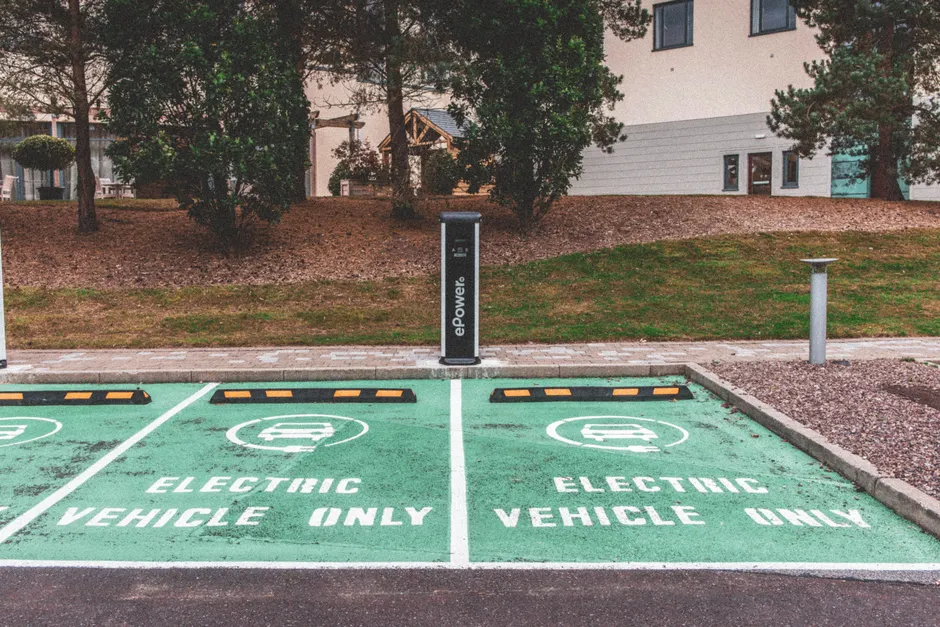
Charging stations are the real barrier. If you can't reliably charge your car, range anxiety keeps buyers away from electric options. In the past three years, India has expanded public charging stations from 2,000 to over 10,000—a five-fold jump. But most of these stations are in cities. Rural and remote areas lag far behind.
Electric two-wheelers present a different picture. They sold nearly 1.3 million units in 2025, up 10% from the prior year. These vehicles—used mostly for last-mile deliveries and city commuting—don't require the same charging infrastructure that cars do. Owners often charge at home or at work. Fuel and maintenance costs are also much cheaper than for gasoline bikes, which makes the math work even without subsidies.
Tata Motors dominates the passenger EV segment. The company has sold over 250,000 electric cars cumulatively by December 2025. Its Nexon EV, launched in 2020, became the first Indian electric car to sell more than 100,000 units. Tata plans to launch two new models—the Sierra EV and an updated Punch EV—in 2026, signaling that competition in the segment is intensifying.
How India Stacks Up Against the World
India's 5% electric car penetration lags far behind China (53.3% in 2024), Europe (20%), and even the United States (8%). But the trajectory matters more than the snapshot. We've seen this pattern before. China's EV market was at 5.7% in 2020 and reached majority market share within four years. The inflection point—where adoption accelerates dramatically—typically comes when two things happen: charging networks become dense enough that range stops being a worry, and battery costs drop below the price at which an electric car costs less over its lifetime than a gasoline car.
The broader context here is geopolitical. India's dependence on imported oil—90% of what it uses—is a structural vulnerability. When Middle East conflicts drive oil prices up 50%, that shock ripples through the entire economy. Shifting to electric vehicles isn't just an environmental choice for India; it's an energy security necessity. A country that generates its own electricity is less exposed to global oil markets.
What Comes Next
The Indian government has set a target: 30% of new vehicle sales should be electric by 2030. Industry forecasters at Bain & Company predict slower adoption in the nearer term—40–45% for two-wheelers and 15–20% for four-wheelers by then. These more cautious projections account for how long it takes for people to replace their vehicles and the economic realities facing most Indian car buyers.
One looming constraint is raw materials. Global EV sales are expected to triple by 2030, and that will create intense competition for lithium, cobalt, and rare earth elements needed for batteries. India wants to become a manufacturing hub for electric vehicles and eventually an exporter. Securing reliable supplies of these critical materials while building domestic battery-making capacity will be essential.
The real question ahead is whether India can build charging infrastructure fast enough. The foundation for rapid growth is forming—regulations are in place, battery costs are falling, and oil price shocks keep making the electric case more compelling. But moving beyond early urban adopters to mainstream buyers across India's diverse geography requires a charging network that reaches beyond the cities. That will determine whether India's EV transition meets government targets or stalls partway through.
The stakes are substantial. Success in electrifying transport could trim India's annual oil import bill by tens of billions of dollars while positioning the nation as a manufacturing center for the global energy transition. The alternative—continued reliance on imported oil in an unstable geopolitical environment—leaves India perpetually vulnerable to external shocks it cannot control.