Ireland Commits Record €1.7 Billion to Defence Modernization Through 2030

Ireland Commits Record €1.7 Billion to Defence Modernization Through 2030
Minister for Defence Helen McEntee launched Ireland's Defence Sectoral National Development Plan 2026-2030 at the Defence Forces Training Centre at the Curragh Camp, announcing a €1.7 billion capital funding allocation that represents the largest defence investment in the state's history. The funding package marks a 55% increase over the previous baseline of €1.1 billion and will run alongside Ireland's inaugural National Maritime Security Strategy.
The capital allocation will scale progressively from €300 million in 2026 to €360 million by 2029-2030, representing a dramatic expansion from the €141 million allocated in 2022. This trajectory places Ireland's defence spending within broader European conversations about capability gaps and modernization requirements, though the country maintains its position as Europe's lowest defence spender at 0.2% of GDP from an annual budget of approximately €1.2 billion.
Strategic Framework Targets Force Modernization
The Department of Defence simultaneously released a Strategic Framework and Updated Detailed Implementation Plan that McEntee described as fundamental to strengthening the Defence Forces through institutional reform. The framework addresses capability development across multiple domains while maintaining Ireland's legally protected military neutrality under Protocol guarantees attached to the Lisbon Treaty.
The Defence Forces Review 2025 identifies artificial intelligence and real-time data processing as critical adaptation requirements, warning that failure to modernize risks isolation from EU and NATO partner capabilities. The review emphasizes Professional Military Education strategies designed to prepare personnel for future operating environments, building on previous assessments published in 2011, 2015, 2016, and 2020 that documented evolving military requirements.
Ireland's military operates under executive authority exercised by the government through the Minister for Defence, with the Defence Forces providing territorial defence under the Defence Acts 1954-2015. Day-to-day operations include prisoner escort services and explosive ordnance disposal support to An Garda Síochána, reflecting the integrated civil-military structure.
Maritime Security Strategy Addresses Domain Gaps
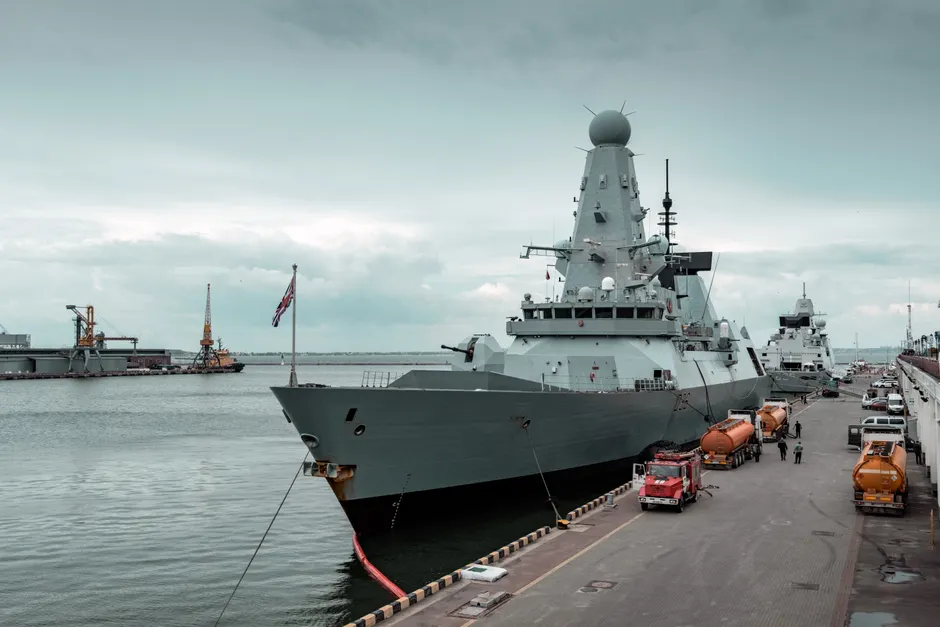
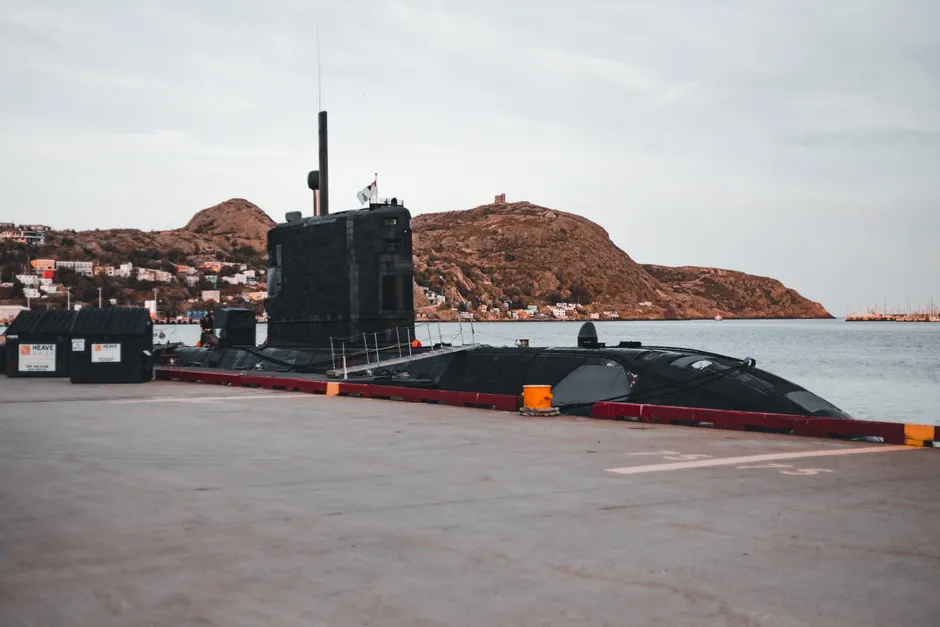
Ireland's first National Maritime Security Strategy provides a comprehensive approach to safeguarding sovereign maritime interests across the country's extensive Atlantic maritime domain. The strategy acknowledges Ireland's unique geographic position and the security implications of managing one of Europe's largest exclusive economic zones with limited naval assets.
The maritime component reflects broader recognition of domain-specific vulnerabilities that have drawn international attention as Ireland prepares to assume the EU Council presidency. Current cooperation frameworks with NATO operate within Ireland's neutrality constraints, based on longstanding policy positions that exclude mutual defence commitments while permitting operational cooperation on shared security interests.
McEntee has called for what she terms an "honest debate" about defence and security roles for Óglaigh na hÉireann, signaling potential policy evolution within constitutional and political constraints. Government statements confirm no intention to alter military neutrality policy, though the funding increases suggest tactical modernization within existing strategic parameters.
Capability Development Within Neutrality Framework
The investment program addresses equipment, infrastructure, and personnel development needs identified through successive defence reviews. The Defence Forces must balance modernization requirements with neutrality obligations while maintaining interoperability standards with European security partners.
Ireland's defence posture has been characterized as having "strategic ambiguity" — a description that reflects the complexity of maintaining neutrality while participating in European security cooperation. The country participates in EU Common Security and Defence Policy missions while avoiding NATO collective defence frameworks, creating operational requirements that demand sophisticated capability planning.
The funding trajectory from €141 million to €360 million annually represents recognition that previous investment levels were insufficient to maintain credible territorial defence capabilities. This scaling addresses infrastructure degradation, equipment obsolescence, and personnel retention challenges that have accumulated over decades of constrained spending.
Looking at what this means for European defence cooperation, Ireland's investment surge occurs alongside broader EU discussions about defence industrial capacity and burden-sharing arrangements. The timing coincides with renewed focus on European strategic autonomy and resilience following geopolitical shifts across the continent.
We have seen this pattern before, when smaller European states faced pressure to modernize defence capabilities while maintaining distinct security policies — Denmark's selective NATO opt-outs, Austria's constitutional neutrality, and Sweden's pre-NATO balancing all required substantial investment to maintain credible independent capabilities within alliance frameworks.
Implementation Challenges and Timeline Pressures
The five-year implementation timeline requires rapid capability development across multiple domains simultaneously. Previous Irish defence planning cycles have struggled with procurement delays, industrial capacity constraints, and personnel development timelines that could complicate the ambitious funding schedule.
Ireland's defence industrial base remains limited, requiring extensive international cooperation for major capability acquisitions. This dependency creates potential vulnerability to supply chain disruptions and technology transfer restrictions that could affect implementation success.
The Strategic Framework acknowledges these constraints while establishing governance mechanisms designed to accelerate delivery timelines. Success will depend on effective program management, international partnership development, and sustained political commitment across electoral cycles.
The maritime strategy implementation presents particular challenges given Ireland's limited naval infrastructure and the scale of oceanic responsibilities. Developing credible maritime domain awareness and response capabilities within the funding envelope requires careful prioritization and innovative solutions.
Personnel development represents a critical success factor, with Professional Military Education requiring immediate attention to support capability transitions. The Defence Forces must simultaneously maintain current operational commitments while absorbing new technologies and procedures — a challenge that has proven difficult for larger militaries with more resources.
The record investment reflects recognition that Ireland's defence spending has lagged behind capability requirements for territorial security and international cooperation. Whether the funding levels prove sufficient to achieve stated objectives will depend on implementation effectiveness and evolving security requirements over the next decade.