WHO Declares PHEIC as Congo's Bundibugyo Ebola Outbreak Tops 500 Suspected Cases

A Delayed Alarm in Ituri
The World Health Organization has declared a Public Health Emergency of International Concern (PHEIC) over an Ebola outbreak in eastern Congo's Ituri province — its highest-grade alert mechanism, reserved for events with demonstrated potential for cross-border spread and requiring a coordinated international response. As of May 2026, more than 500 suspected cases had been recorded, according to AP News, a caseload that accumulated in part because the outbreak evaded early detection for a critical window of weeks.
The reason for that delay is a technical one with serious epidemiological consequences: initial diagnostic testing targeted the Sudan and Zaire ebolavirus species — the strains most associated with prior outbreaks in the region — and returned negative results. The causative agent was ultimately identified as Bundibugyo virus, a filovirus species first isolated in Uganda's Bundibugyo district in 2007, distinct enough from the more common Ebola variants that standard assays designed for those strains missed it entirely. By the time confirmatory sequencing identified the correct pathogen, the virus had already seeded transmission chains across multiple communities in Ituri.
What Bundibugyo Virus Is — and Why It Changes the Calculus
Bundibugyo ebolavirus sits within the Filoviridae family alongside Zaire, Sudan, Taï Forest, Reston, and Bombali ebolaviruses. It has a case fatality rate historically lower than Zaire ebolavirus — the species responsible for the catastrophic 2014–2016 West Africa epidemic — but it is not a mild pathogen. Its 2007 debut in Uganda killed roughly 25 percent of confirmed cases. Crucially, the monoclonal antibody therapeutics that proved transformative in the 2018–2020 Kivu outbreak — mAb114 and REGN-EB3 — were developed and validated specifically against Zaire ebolavirus. Their cross-reactivity with Bundibugyo is limited, which means the clinical management toolkit that public health responders have come to rely on in eastern Congo does not port cleanly to this situation.
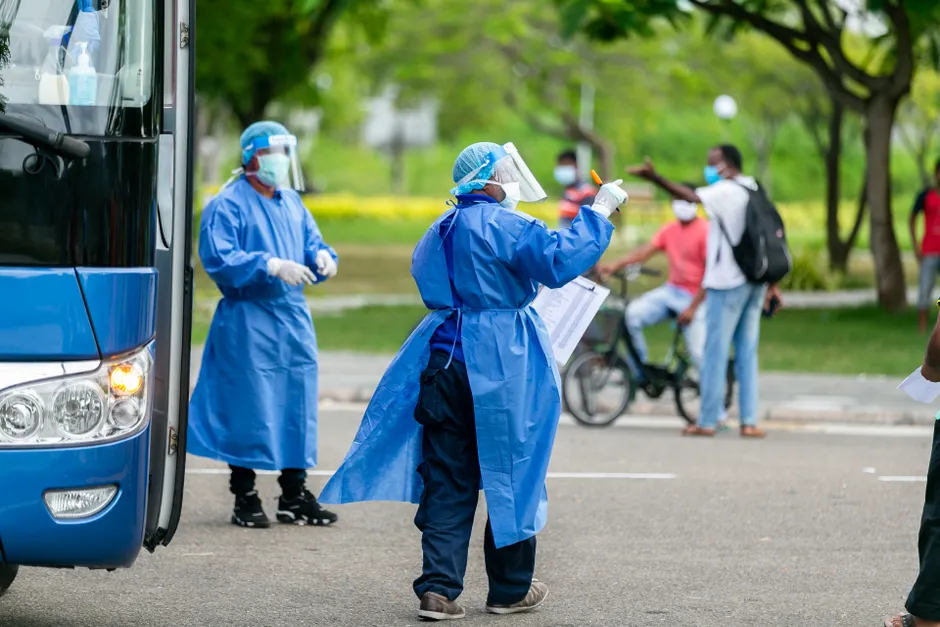
There is also no licensed vaccine with proven efficacy against Bundibugyo. The rVSV-ZEBOV (Ervebo) vaccine, deployed with substantial success in the Kivu outbreaks, targets Zaire ebolavirus. Ring vaccination strategies remain a core component of containment doctrine, but their protective value in a Bundibugyo outbreak is not established by Phase III data, placing a heavier burden on non-pharmaceutical interventions: contact tracing, isolation, safe and dignified burial protocols, and community engagement — all of which are operationally difficult in a conflict-affected province.
Ituri: Outbreak Geography and Structural Constraints
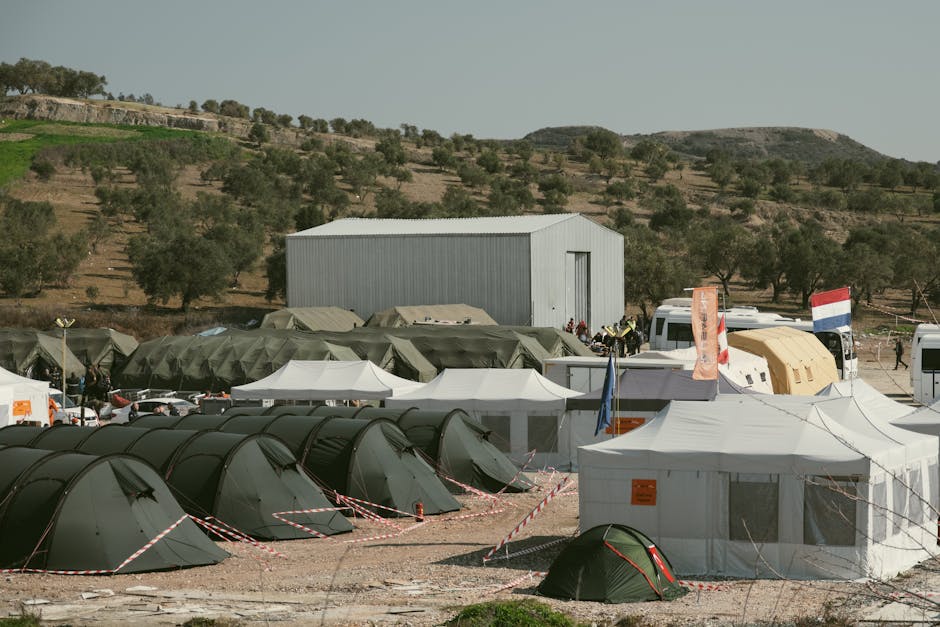
Ituri is not an arbitrary epicenter. The province has lived under persistent armed group activity for years, with displacement camps, weakened health infrastructure, and a population that has endured repeated cycles of violence that erode institutional trust. Health workers operating there face the same access constraints that complicated the 2018–2020 response in neighboring North Kivu — security corridors, community resistance born of prior trauma, and supply chain fragility.
We have seen this convergence before: in 2018, when the tenth declared Ebola outbreak in Congo began in North Kivu and South Kivu, the combination of active conflict, community mistrust, and a novel deployment of ring vaccination still resulted in more than 3,400 cases over two years — the second-largest Ebola outbreak in history. The structural conditions in Ituri in 2026 are recognizably similar, and the added complication of a pathogen for which the licensed countermeasures are mismatched makes the operational challenge more acute, not less.
The WHO Response and Tedros's Visit to Bunia
WHO Director-General Tedros Adhanom Ghebreyesus traveled to Bunia, the provincial capital of Ituri, on May 28–29, 2026, according to AP News — a visible signal of institutional prioritization at the highest level. Field visits by a Director-General during an active outbreak are not routine; they carry both logistical and diplomatic weight, typically aimed at accelerating resource mobilization, reassuring frontline health workers, and maintaining political pressure on national governments and donor states.
The PHEIC declaration itself activates a set of formal obligations under the International Health Regulations (IHR 2005). States Parties are required to review their surveillance and response capacities, WHO is empowered to issue Temporary Recommendations on travel and trade, and the declaration triggers expedited access to the WHO Contingency Fund for Emergencies. It also, in practice, functions as a funding signal to bilateral donors and the broader humanitarian system, though the translation of PHEIC declarations into rapidly disbursed resources has historically been uneven.
Diagnostic Failure as a System-Level Problem
The weeks of undetected spread attributable to the initial misdiagnosis deserve particular scrutiny. Front-line diagnostic capacity in Ituri — as in much of the eastern Congo health system — depends on point-of-care assays and RDTs calibrated to the most epidemiologically probable pathogens. That heuristic is rational under resource constraints but creates a structural blind spot when an uncommon variant enters the population. The Bundibugyo identification required sequencing capacity that is not universally available at the sub-national level.
This is not a new vulnerability. The 2021 Sudan ebolavirus resurgence in Uganda similarly exposed gaps in multiplex filovirus diagnostics. The practical implication is that outbreak preparedness frameworks must build in reflex metagenomic or broad-panel filovirus testing protocols triggered by unexplained hemorrhagic fever clusters, even when initial assays for the most likely species are negative. The cost of that redundancy is measurable; the cost of the alternative is now visible in Ituri's case count.
What Comes Next
The immediate response priorities are containment-focused: establishing treatment centers in Bunia and affected sub-territories, deploying epidemiological surge teams for contact tracing, and negotiating humanitarian access with armed actors controlling pockets of Ituri. On the countermeasures front, WHO and partners are likely in active dialogue with manufacturers and research consortia about compassionate use or investigational access to Bundibugyo-targeting vaccine candidates, some of which exist in early-stage development pipelines.
The PHEIC declaration also places pressure on neighboring Uganda and South Sudan to heighten border surveillance. Ituri shares a porous frontier with Uganda — the same geography that seeded the original 2007 Bundibugyo outbreak — and population movement across that border is routine.
The 500-plus suspected case figure represents the situation as it was understood in May 2026. Given the weeks of undetected transmission already documented, the true cumulative incidence is likely higher, and the epidemiological curve's shape — whether it has peaked or is still ascending — will be the single most watched indicator in the coming weeks.