DRC's Bundibugyo Ebola Outbreak Crosses 500 Cases as WHO and Africa CDC Deploy Joint Continental Response
The Democratic Republic of the Congo has recorded 515 confirmed Ebola cases and 91 deaths — a case fatality rate of 17.7% — as of June 6, 2026, according to a WHO Disease Outbreak News report published June 8. The pathogen is Bundibugyo virus (BDBV), one of the six known Ebola species and the cause of two previous outbreaks, in Uganda in 2007 and in DRC's Orientale Province in 2012.
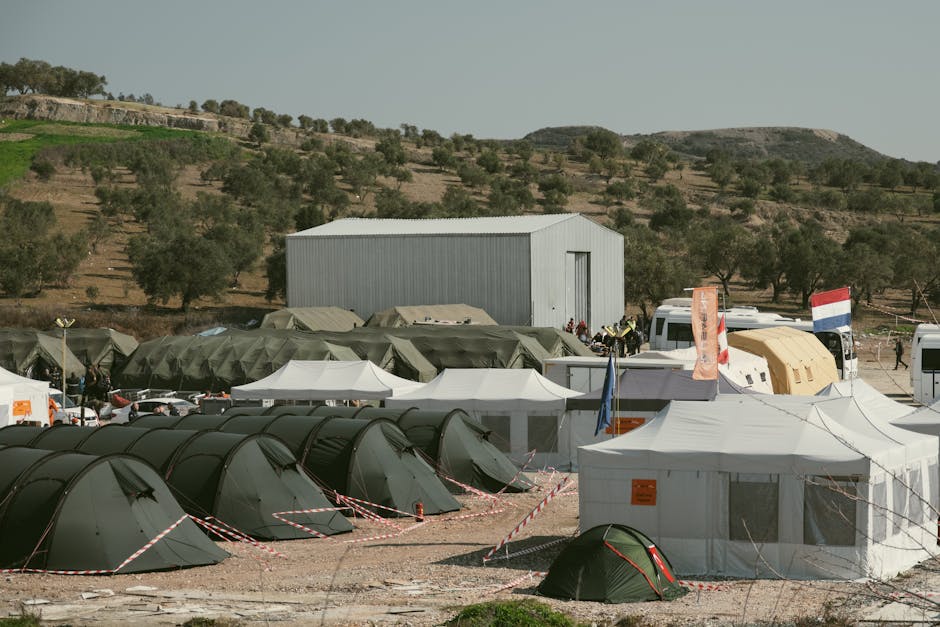
The outbreak is centered in Ituri Province in north-eastern DRC — the same region that bore the brunt of the devastating 2018–2020 Kivu outbreak caused by a different species, Ebola virus (EBOV). That prior outbreak, the second-largest in recorded history, was complicated by armed conflict, community resistance, and protracted response fatigue. Ituri's geography — remote, poorly served by infrastructure, and fragmented by ongoing security threats — makes containment inherently difficult.
From Suspected Cases to PHEIC
Formal recognition of this event came quickly once laboratory confirmation arrived. As of May 16, only eight cases had been laboratory-confirmed against a backdrop of 246 suspected cases and 80 suspected deaths in Ituri Province, per WHO. The following day, May 17, WHO declared the outbreak a Public Health Emergency of International Concern (PHEIC) — the organization's highest alert level under the International Health Regulations — and simultaneously confirmed cross-border spread to Uganda.
The pace of that decision is worth noting. WHO has historically faced criticism for delayed PHEIC declarations: the 2014 West Africa outbreak was declared a PHEIC roughly five months after the index case; the 2018 Kivu outbreak initially did not receive PHEIC status despite lasting nearly two years. A same-day declaration here, triggered at fewer than 250 suspected cases, reflects institutional recalibration following those episodes and the subsequent IHR amendments adopted at the 2024 World Health Assembly.
The jump from 246 suspected cases on May 16 to 515 confirmed cases by June 6 tracks the familiar epidemiological arc of BDBV outbreaks: an initial period of underdetection driven by geographic isolation and symptom overlap with endemic diseases such as malaria, typhoid, and viral hemorrhagic fevers, followed by accelerating laboratory confirmation as response infrastructure scales up. The 17.7% CFR is markedly lower than the 40–90% range historically associated with EBOV — a characteristic feature of BDBV — though it will shift as the confirmed-to-suspected ratio tightens.
The 'One Response' Framework
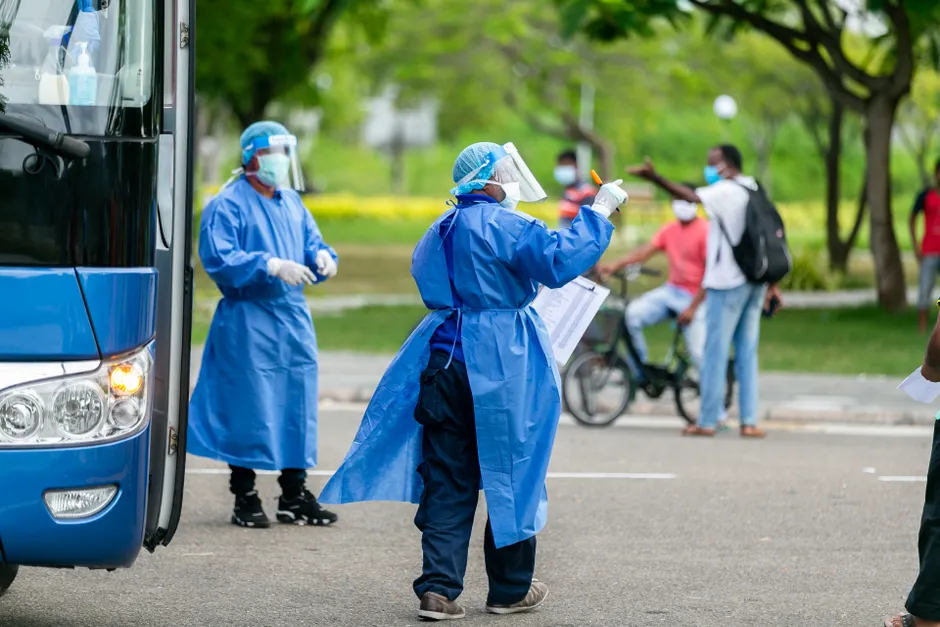
On June 5, Africa CDC and WHO jointly launched a continental Ebola response plan covering June through November 2026, structured under what both organizations are calling a "One Response" approach. The framework is designed to consolidate government ministries, multilateral partners, and community-level actors under a single operational architecture — avoiding the fragmented parallel command structures that impeded the 2018–2020 response.
The timing matters operationally. A six-month horizon through November aligns with the rainy season in Ituri, which historically degrades road access and cold-chain logistics, two critical constraints for both surveillance and vaccine delivery. No approved vaccine exists specifically for BDBV; the rVSV-ZEBOV vaccine (Ervebo) confers protection against EBOV but not Bundibugyo virus. Candidate BDBV vaccines remain in clinical development. That gap is a significant constraint on the ring-vaccination strategies that proved effective in containing EBOV outbreaks from 2018 onward.
This is the 17th Ebola outbreak in DRC's recorded history, a frequency that reflects both the country's ecological interface with reservoir hosts and the structural health system deficits that have resisted sustained improvement across successive outbreaks. The institutional architecture for response — Ituri's provincial health division, the national INRB laboratory network, WHO's country office, and now an integrated Africa CDC operational layer — is more developed than it was in 2018. Whether that architecture is sufficient to contain an outbreak of this scale, in this terrain, without a species-matched vaccine, is the central open question as the response enters its most operationally demanding phase.