Iran-US Conflict: Ceasefire Fractures, Strait of Hormuz Back in Play

The Arithmetic of a Broken Truce
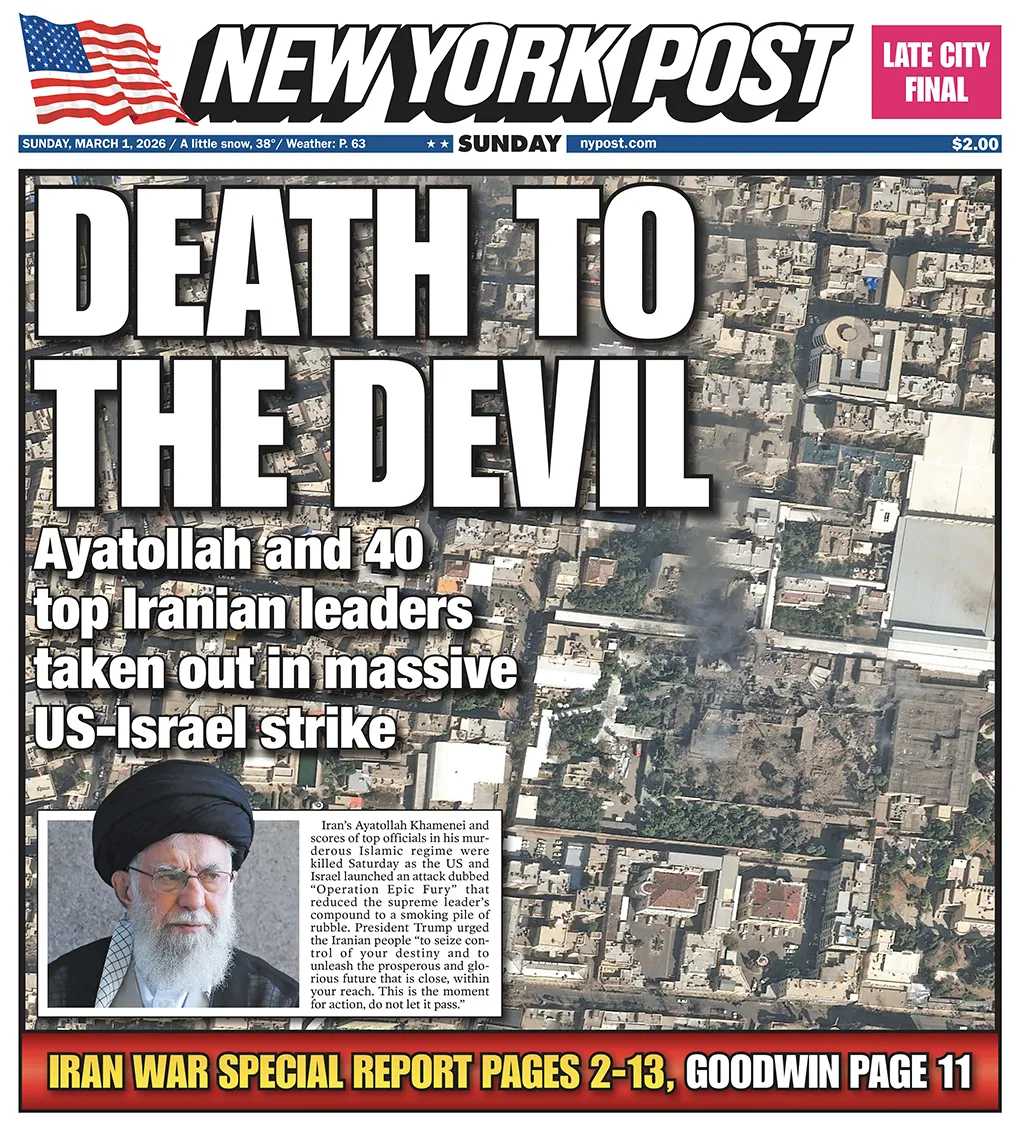
The April 8, 2026 ceasefire between the United States and Iran — brokered by Pakistan after Tehran had already rejected a draft proposal — lasted less than two months before both sides were trading accusations of violations. By June 6, 2026, U.S. forces were striking Iranian coastal positions after Iran launched drones into the Gulf, the latest flare-up in a conflict that has periodically brought the world's most consequential oil chokepoint back into active risk calculations.
The sequence is worth holding clearly in mind: a ceasefire agreed on April 8; a U.S. military accusation that Iran violated it after Kuwait reported coming under missile attack; Iran's foreign ministry firing back on May 26, 2026, alleging Washington had breached the truce by striking targets in Hormozgan province — the coastal territory that sits astride the Strait of Hormuz — and Secretary of State Marco Rubio acknowledging the same day that a deal to halt hostilities could take Reuters "a few days" to negotiate. Then, on June 6, 2026, the cycle tightened further: U.S. forces struck Iranian coastal sites following a new Iranian drone launch in the Gulf, per Reuters.
The Nuclear Strike and Its Framing
Underpinning the diplomatic collapse is a military operation of considerable strategic weight. Defense Secretary Pete Hegseth described a U.S. strike on an Iranian nuclear facility as "historically successful" during a Pentagon press briefing, with the Defense Department noting that officers at the Defense Threat Reduction Agency had spent fifteen years studying the site — built to enrich uranium for weapons-grade purposes. The DTRA's long-lead targeting work signals this was not an opportunistic strike but a deliberate, deeply premeditated operation against hardened underground infrastructure.
Israel also conducted strikes against targets in Iran during the broader conflict, consistent with the pattern of coordinated — or at minimum complementary — Israeli and U.S. kinetic operations against Iranian nuclear and military infrastructure that has recurred across multiple administrations.
The U.S. had previously struck Iran-backed IRGC-affiliated militias on February 2, with the Pentagon stating at the time that the operations had "good effects." That operation now reads as an early-stage escalation ramp rather than a terminus.
The Hormuz Premium
The market variable that concentrates minds most sharply is the Strait of Hormuz. In 2024, approximately 20 million barrels per day moved through the strait, representing around 25% of total global seaborne petroleum trade, according to Yahoo Finance citing U.S. Energy Information Administration data. That figure includes crude and condensates bound for Asia — predominantly China, India, Japan, and South Korea — alongside LNG flows from Qatar's North Field.
The June 6 coastal strikes and the Iranian drone response materially elevate the probability distribution around Hormuz closure or partial interdiction. Iran's doctrine, long-established and not speculative, includes the option of mining the strait, deploying fast-attack craft against tanker traffic, or using shore-based anti-ship missiles against vessels transiting the 33-kilometer-wide navigable channel. Hormozgan province — the precise territory Iran accused the U.S. of striking on May 26 — hosts exactly that shore-based infrastructure.
A full closure is historically rare and typically short-lived given U.S. naval presence. But a partial interdiction — spooked insurers, spiking war-risk premiums, tanker operators voluntarily rerouting around the Cape of Good Hope — can add weeks of transit time and hundreds of thousands of dollars per voyage in bunker costs, feeding directly into delivered energy prices in Asia and Europe with a lag of roughly four to six weeks.
We have seen this dynamic price in and price out before: during the 2019 tanker attacks in the Gulf of Oman, war-risk insurance premiums for Hormuz transits spiked as much as tenfold within days, and Brent crude rose sharply before retreating once the immediate threat receded and the U.S. carrier presence was reinforced. The current conflict is more sustained and involves direct U.S. kinetic operations inside Iran proper — a materially different risk profile than proxy harassment of third-party shipping.
Ceasefire Architecture and Its Fragility
The April 8 agreement was mediated by Pakistan, a relatively unusual interlocutor for a U.S.-Iran framework but one with historical back-channel credibility in regional diplomacy. Iran's prior rejection of a draft proposal before accepting the Pakistan-mediated terms suggests Tehran entered the ceasefire with reservations about specific clauses — possibly around inspections, nuclear site access, or the sequencing of sanctions relief — that were not fully resolved.
The subsequent cascade of mutual violation accusations is characteristic of ceasefires struck without robust verification mechanisms. Each side's public attribution of blame — the U.S. pointing to the Kuwait missile attack, Iran pointing to Hormozgan strikes — reflects the standard playbook for parties that want tactical maneuvering room while nominally preserving a diplomatic framework. Rubio's May 26 statement that a deal could take "a few days" suggests Washington retained interest in a negotiated pause, but the June 6 exchange of drone launches and coastal strikes indicates the operational tempo was outrunning the diplomatic track.
What the Escalation Ladder Looks Like From Here
The conflict has now moved through several identifiable phases: militia strikes, accusations of ceasefire violations, strikes on nuclear infrastructure, coastal bombardments, and drone exchanges in the Gulf. The question for risk desks is not whether further escalation is possible — it plainly is — but where the next significant threshold sits.
The most consequential near-term threshold is any kinetic event that directly impairs tanker transit through the strait or triggers Lloyd's Joint War Committee to add the full Persian Gulf to its Listed Areas. That designation triggers mandatory war-risk riders in charter parties and has historically caused rapid thinning of tanker supply in the region. A second threshold would be any Iranian retaliatory action against Gulf Cooperation Council energy infrastructure — Saudi Aramco's Abqaiq and Khurais facilities carry obvious symbolic and material weight — which would introduce supply-side risk well beyond what Hormuz traffic alone represents.
Rubio's "few days" framing from May 26 has now been superseded by two subsequent weeks of kinetic activity. Whether a durable cessation of hostilities emerges from the current diplomatic track — or whether the conflict settles into a managed low-intensity phase with periodic flare-ups — will be determined largely by whether both sides find verifiable off-ramps that neither appears to have firmly grasped yet.
The energy markets, sovereign credit spreads for regional GCC issuers, and global shipping insurance pricing are all, in effect, running a continuous referendum on that probability in real time.