U.S. and Iran Hold Mutual Pause for Second Day as Peace Talks Resume
The United States paused military attacks on Iran for a second consecutive day on Sunday, July 26, 2026, with Iran simultaneously halting its own strikes against U.S. forces, according to the Associated Press and the Christian Science Monitor. Peace talks between the two nations were underway as of the same date.
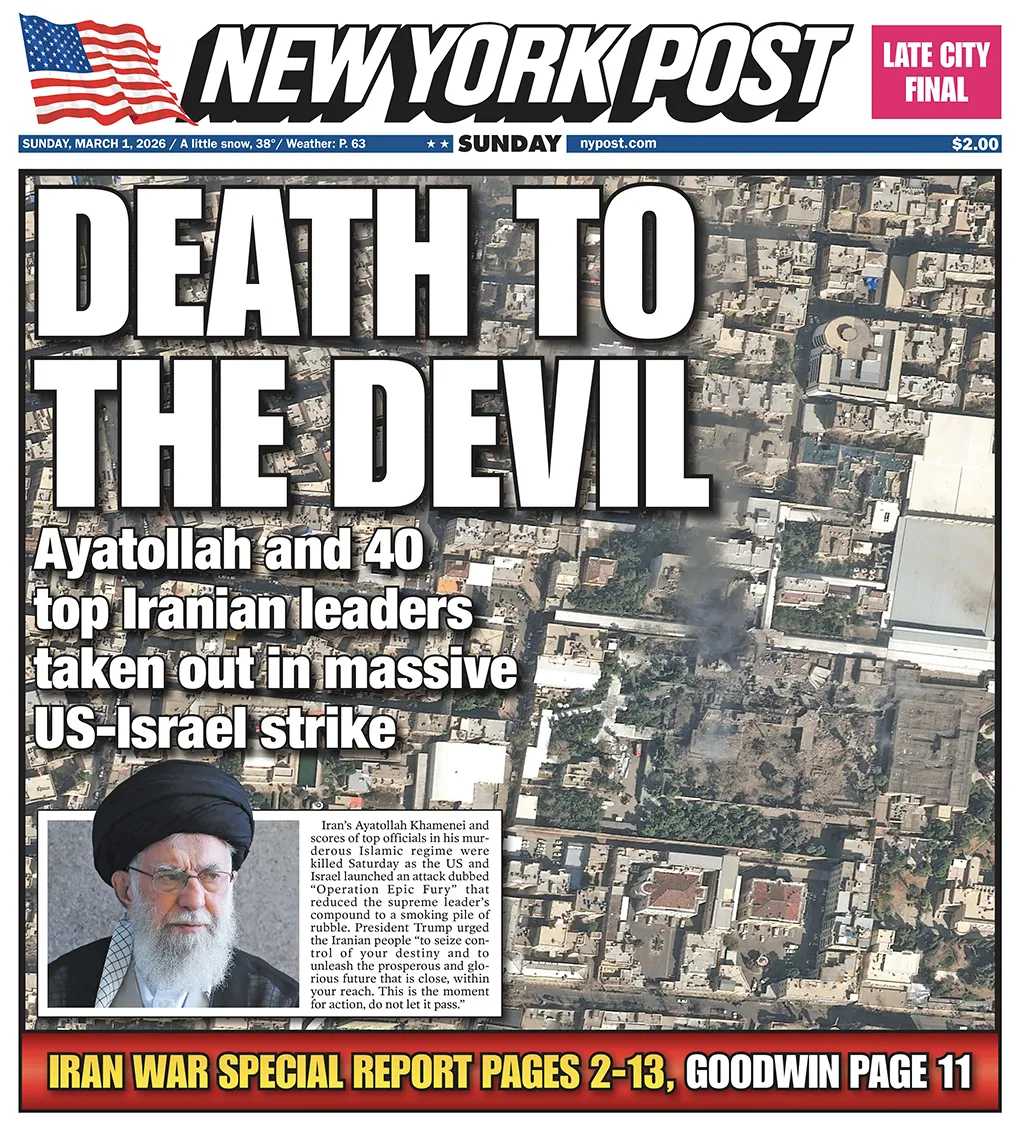
The mutual pause follows a punishing cycle of escalation and de-escalation stretching back to the opening months of the year. The White House announced Operation Epic Fury on March 1, 2026, describing the military operation as intended to "crush" the Iranian regime and end its nuclear threat. A January 2026 administration summary had already claimed that Iran's nuclear weapons capability was destroyed through coordinated military action. By late March, attacks during the conflict had effectively closed the Strait of Hormuz, the critical chokepoint for global crude shipments. In April, President Donald Trump ordered the U.S. military to "shoot and kill" small Iranian boats that deploy mines to choke traffic in the waterway.
The trajectory from full-scale strikes to the current pause was neither linear nor smooth. Trump called off new military strikes on Iran on June 11, 2026, a decision that coincided with a 1.8% rally in the S&P 500, its biggest single-day gain in two months, on market hopes for a U.S.-Iran deal to restore oil flows. The U.S. Treasury issued a general license on June 22 allowing the sale of Iranian crude oil and petrochemicals under an interim U.S.-Iran agreement. A 60-day ceasefire was in effect as of early July. But indirect U.S.-Iran talks concluded in late June or early July without any public sign of progress toward a lasting peace. Trump stated around July 6 that there would "either be a deal with Iran or the United States would 'finish the job.'"
The ceasefire did not hold. The U.S. launched strikes on Iran for a ninth consecutive day as of July 20, with another American confirmed killed in the conflict. The Associated Press reported on July 24 that the U.S. military paused its airstrikes after nearly two weeks of intensifying bombing. That pause has now extended through July 26, with Tehran reciprocating.
The seesaw between violence and diplomacy has driven sharp repricing across energy and equity markets at each inflection point. The Strait of Hormuz closure earlier in the conflict sent shockwaves through crude markets; the June 11 de-escalation triggered the S&P 500's strongest rally in two months. A sustained pause, if it holds, would ease the risk premium embedded in oil futures and risk assets broadly. If it collapses, the fallback to military escalation has already been telegraphed by the administration's own framing: the stated objective remains the elimination of the Iranian regime and its nuclear program, not a narrow containment.
The broader context here is that this is not a standard geopolitical standoff with a discrete off-ramp. The conflict's stated end-state, regime destruction, leaves limited room for a negotiated settlement that both parties can characterize as a victory. The June Treasury license permitting Iranian crude sales suggests at least tactical willingness to normalize energy trade under an interim framework, but the collapse of that framework into renewed bombing within weeks underscores how thin that willingness was. Market participants pricing the current pause should weight the duration of the previous 60-day ceasefire, which lasted roughly from early May through early July before collapsing into nine consecutive days of strikes.
Al Jazeera's live coverage on July 26 also noted that Tehran summoned Ukrainian diplomats over a Caspian Sea attack, a detail pointing to the conflict's potential to draw in additional state actors beyond the bilateral U.S.-Iran theater. Whether that dimension factors into the current peace talks is not yet clear from public reporting.
For investors and risk managers, the key variable is whether the July 24-26 pause solidifies into a formal ceasefire or follows the same pattern as the earlier 60-day arrangement: a temporary lull followed by renewed escalation. The verified facts do not yet indicate a signed agreement, a timeline for talks, or specific terms under negotiation. What is confirmed is that both sides have stopped shooting for two days and are talking. In a conflict where the prior ceasefire lasted two months before unraveling, that is the floor of the current signal, not the ceiling.


