Record Heat Drives Wildfire Surge Across England's West Midlands
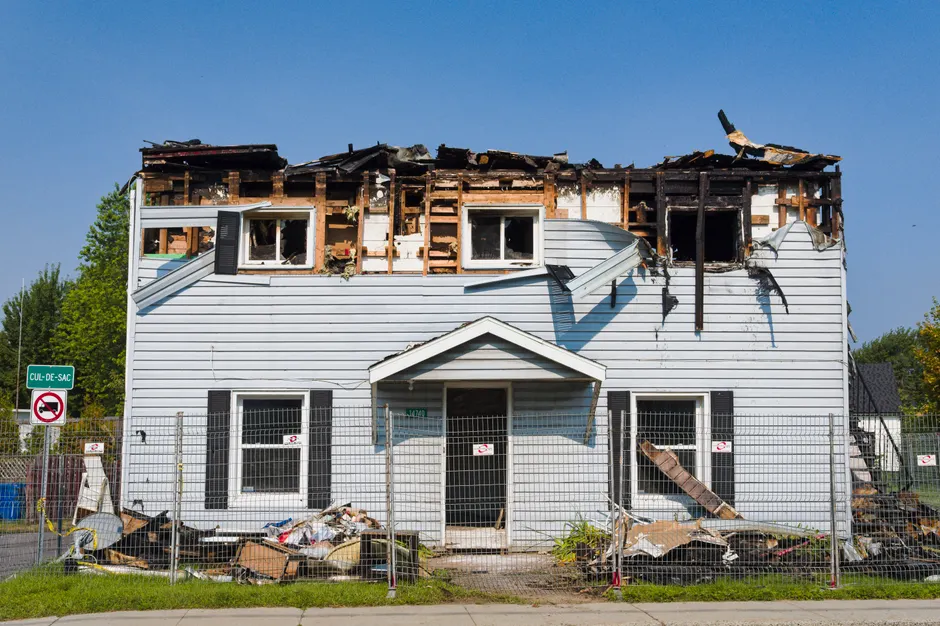
Four people were hospitalised and six homes were directly affected after a grassfire spread into a residential neighbourhood in Stourbridge, West Midlands, on 13 August 2026, the same day the UK recorded its hottest temperature of the year at 38.1°C (100.6°F) at Kew Gardens in west London (The Guardian).
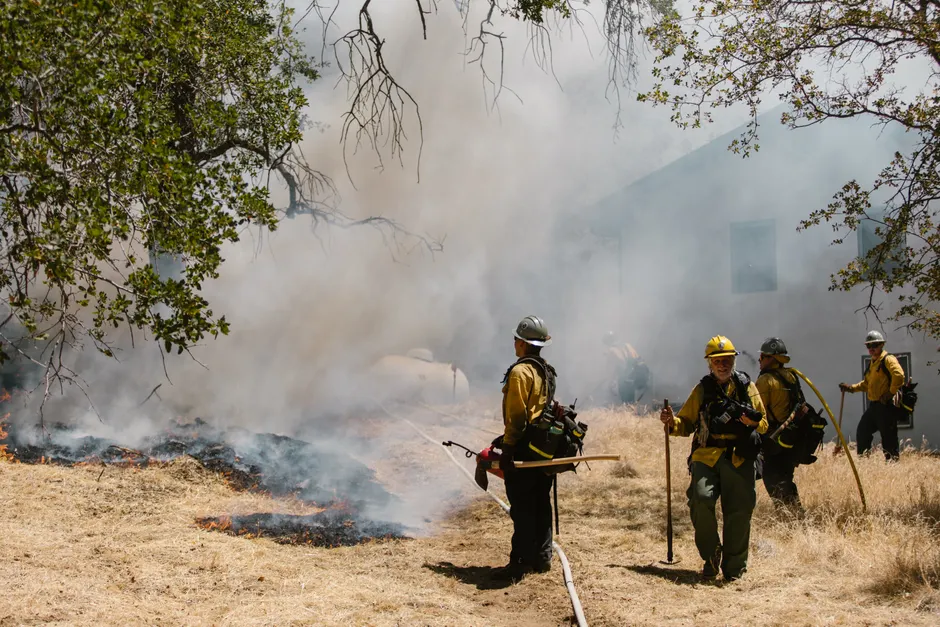
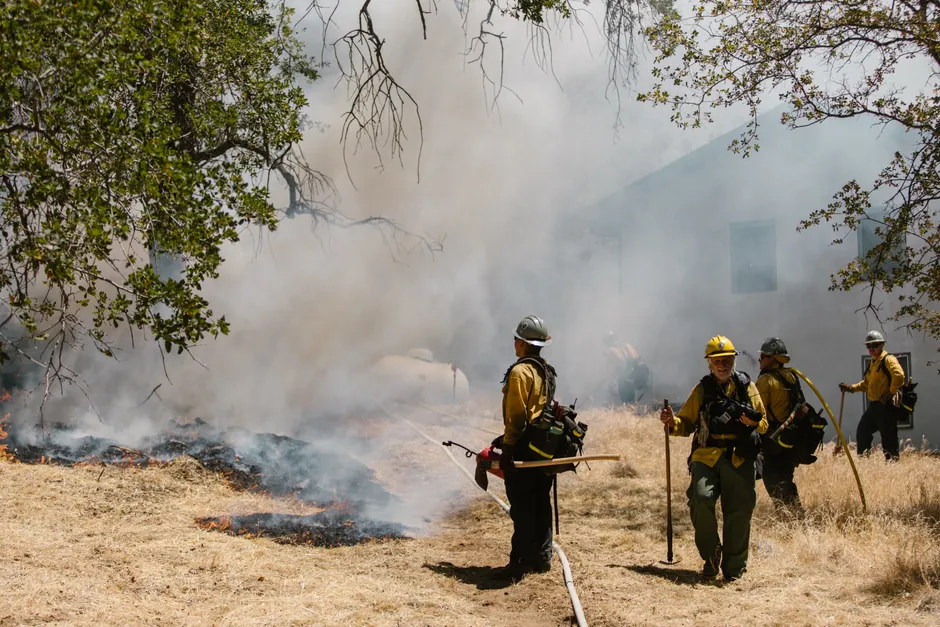
The West Midlands Fire Service was alerted to an extensive grassfire near Stourbridge golf course, at Racecourse Lane adjacent to Clayhanger Lane, just before 1.30pm on Thursday 13 August 2026 (West Midlands Fire Service). The fire covered approximately 16 hectares (40 acres), including a wood, and more than 60 firefighters were deployed to contain it. A West Midlands Fire Service spokesperson described the incident as a wildfire with several points of origin involving multiple houses on fire (The Guardian). Flames were spreading across roads in places, according to the fire service's own incident reporting (West Midlands Fire Service via Facebook).
Three firefighters and a child were taken to hospital for treatment in connection with the fire. A further six people were treated for smoke inhalation at the scene. Six homes were directly affected, and other residents in the area reported power problems. Stourbridge town hall was opened to receive people forced to leave their homes, and care home residents were evacuated, according to local councillor Andrew Southall (The Guardian).
The fire's impact extended across local transport infrastructure. Train services were suspended due to the blaze (ITV News via Facebook), and some local rail services were disrupted more broadly. Roads in the Stourbridge area were closed due to smoke, fire, and fallen trees. Northbound traffic on the M6 near Birmingham was temporarily closed because of smoke from a separate fire near the motorway, causing delays exceeding two hours (The Guardian).
The Stourbridge fire was not an isolated incident. Fire crews across the UK battled multiple blazes on the evening of 13 August 2026, including fires in Sandyford, Stoke-on-Trent, and Castle Vale near Birmingham. Warwickshire Fire and Rescue Service declared a major incident as crews fought a large fire in Salford Priors, Stratford-upon-Avon; that fire was considered under control by the evening (The Guardian).
The Met Office gave a provisional reading of 38.1°C at Kew Gardens, making 13 August 2026 the hottest day of the year in the UK. Forty locations across central and southern England recorded temperatures of 36°C or above on the same day (The Guardian).
The broader context here is the convergence of extreme heat with the wildland-urban interface, a challenge that UK fire services have historically encountered less frequently than their counterparts in southern Europe or North America but one that is becoming more salient with each successive heatwave. The Stourbridge fire's characteristics are instructive: multiple points of origin, fire spreading across roads, and direct residential involvement all point to fire behaviour driven by preheated, desiccated fuels under extreme temperature conditions. The fact that three firefighters required hospitalisation, alongside a child, indicates that the fire presented acute exposure risks even to trained personnel equipped for structural and wildland response.
What is also notable is the breadth of simultaneous demand on fire service capacity across the West Midlands and adjoining regions on a single evening. The declaration of a major incident by Warwickshire Fire and Rescue, the M6 closure, and multiple active blazes in Sandyford, Stoke-on-Trent, and Castle Vale together suggest a regional-scale event that tested mutual aid arrangements and resource allocation in real time. The Stourbridge fire alone drew over 60 firefighters to a single 16-hectare incident, a significant commitment when concurrent demands were already stretching crews across neighbouring jurisdictions. For emergency planners and resilience leads, the day's events offer a case study in how a single peak-temperature day can generate cascading, simultaneous incidents that strain not just fire suppression capacity but also evacuation logistics, transport networks, and power infrastructure.